For teachers
You set the rules.
Choose the rent, car insurance, utilities, hourly wage and income tax so the game matches the cost of living where your students live. Start the class as full-time workers or as college students with a part-time job.
- Pick which life events show up and how often
- Choose when students graduate
- Change any setting mid-semester
For students
Twelve months, twenty minutes at a time.
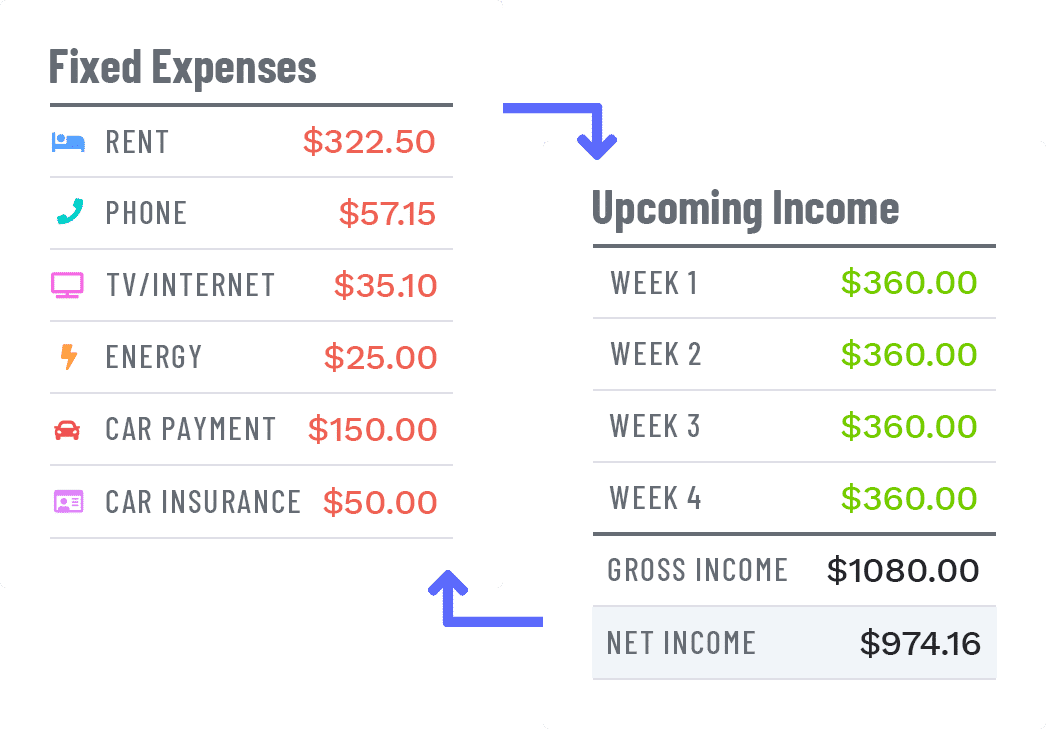
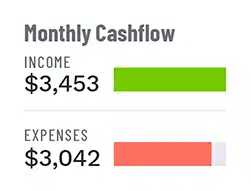
Each virtual month takes about 20 minutes. Students review fixed and variable expenses, project their income and set savings goals. The most points go to the students who pay themselves first.
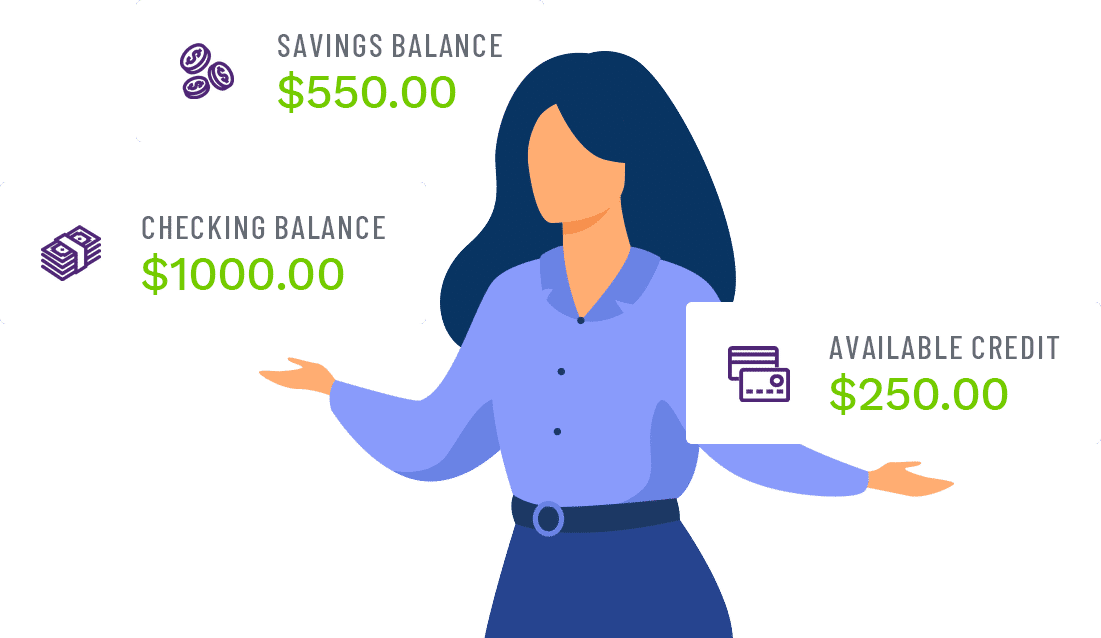
- Checking, savings and a credit card
- Monthly budgets with real bills
- Savings goals that build net worth
Life events
Then life happens.
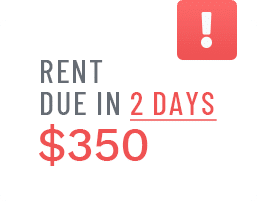
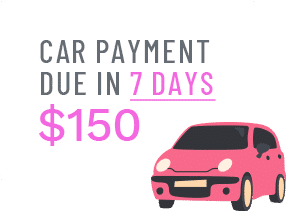
Every few days a card lands: rent is due, the car payment is coming, the dog needs the vet, there's a chance to pick up extra hours. Planned and unplanned expenses put pressure on the budget, and every choice has a consequence.
- Similar, never identical, events across the class
- Risks that sometimes pay off and sometimes don't
- Built-in material for class discussion
Credit & lessons
Credit scores, mini-games and bragging rights.
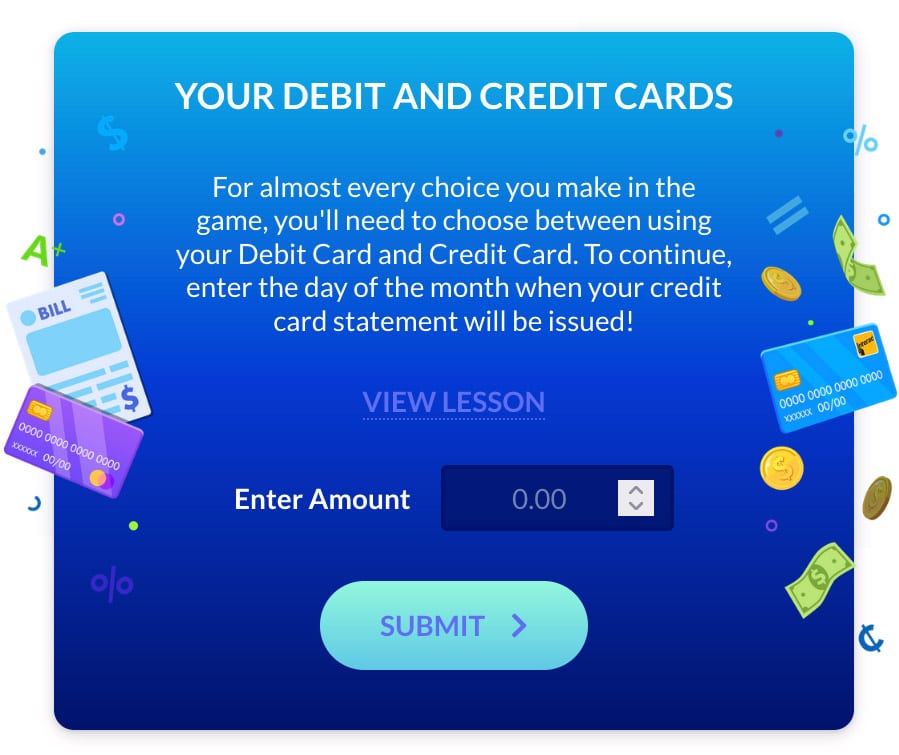
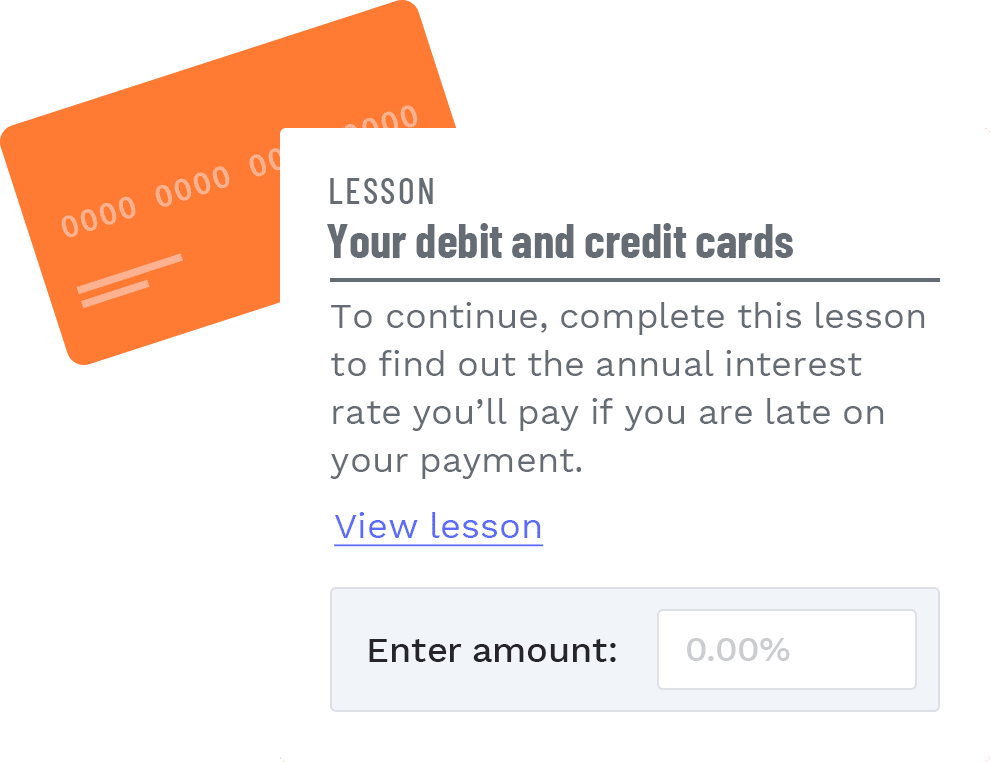
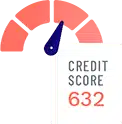
Most budget games only teach saving. Here students cover shortfalls with credit, pay balances on time and watch their credit score respond. Short lessons and mini-games sit inside the game, and class rankings compare net worth and credit.
- Comparison shopping, mortgages, writing checks
- Needs versus wants, opportunity cost
- Live class rankings
More about the Budget Game