An unexpected car repair, a medical bill, or a sudden loss of income can quickly throw a budget off track. That’s why learning to build an emergency fund is an important part of financial literacy.
At PersonalFinanceLab, students learn the importance of emergency savings through interactive simulations and financial literacy lessons. By combining hands-on experience with classroom instruction, teachers can help students understand how saving for the unexpected can make a difference in their financial future.
Learning About Emergency Funds Through the Budget Game
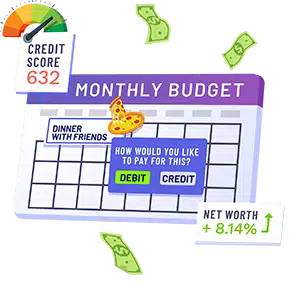
The PersonalFinanceLab Budget Game gives students the opportunity to manage their finances over 12 virtual months, making decisions about income, expenses, savings, and credit.
Throughout the simulation, students set monthly savings goals and transfer money from their checking accounts into savings. The game reinforces the concept of Pay Yourself First, rewarding students with points for meeting their savings goals and encouraging them to develop consistent saving habits.
But just like in real life, things don’t always go according to plan.
Students encounter unexpected Life Events that can introduce new expenses or disrupt their budgets. These situations challenge them to adjust their spending and decide how to cover costs they hadn’t planned for. Students who have consistently saved may be better prepared to handle these expenses, while those who haven’t may need to make more difficult financial decisions. By experiencing these challenges in a risk-free environment, students see firsthand why having money set aside for emergencies matters.
Teachers can also use these experiences to start classroom discussions. Did students have enough savings to cover an unexpected expense? What would they do differently next time? How could they adjust their budgets to prepare for future emergencies?
Reinforcing Emergency Fund Concepts with Financial Literacy Lessons
The Budget Game provides hands-on experience, while PersonalFinanceLab’s financial literacy lessons help students understand the concepts behind their decisions.
Our Break Free From Money Stress with a Budget lesson introduces students to budgeting, tracking expenses, and setting realistic savings goals. It also includes a section dedicated to emergency funds. Students learn why emergency savings should be kept separate from regular savings, how much they should aim to save, and why it’s important to replenish their fund after using it. The lesson encourages students to start by saving enough to cover one month’s worth of expenses, with a long-term goal of building up to six months of expenses.
PersonalFinanceLab also offers a fixed-date lesson focused on emergency funds, along with other lessons that reinforce budgeting, saving, and financial planning concepts. Teachers can pair these lessons with the Budget Game, encouraging students to apply what they’ve learned as they make financial decisions throughout the simulation.
Building Financial Habits That Last
Understanding emergency funds isn’t just about knowing how much money to save. It’s about recognizing how everyday financial decisions can affect your ability to handle unexpected expenses.
By combining the Budget Game with financial literacy lessons, PersonalFinanceLab helps students practice saving, prepare for financial challenges, and build money management skills they can carry into adulthood.
Ready to bring financial literacy to your classroom?