



We compared our learning materials and the core financial literacy concepts that are covered in our Budget and Stock Games to the personal finance course level expectations for the state of Missouri.

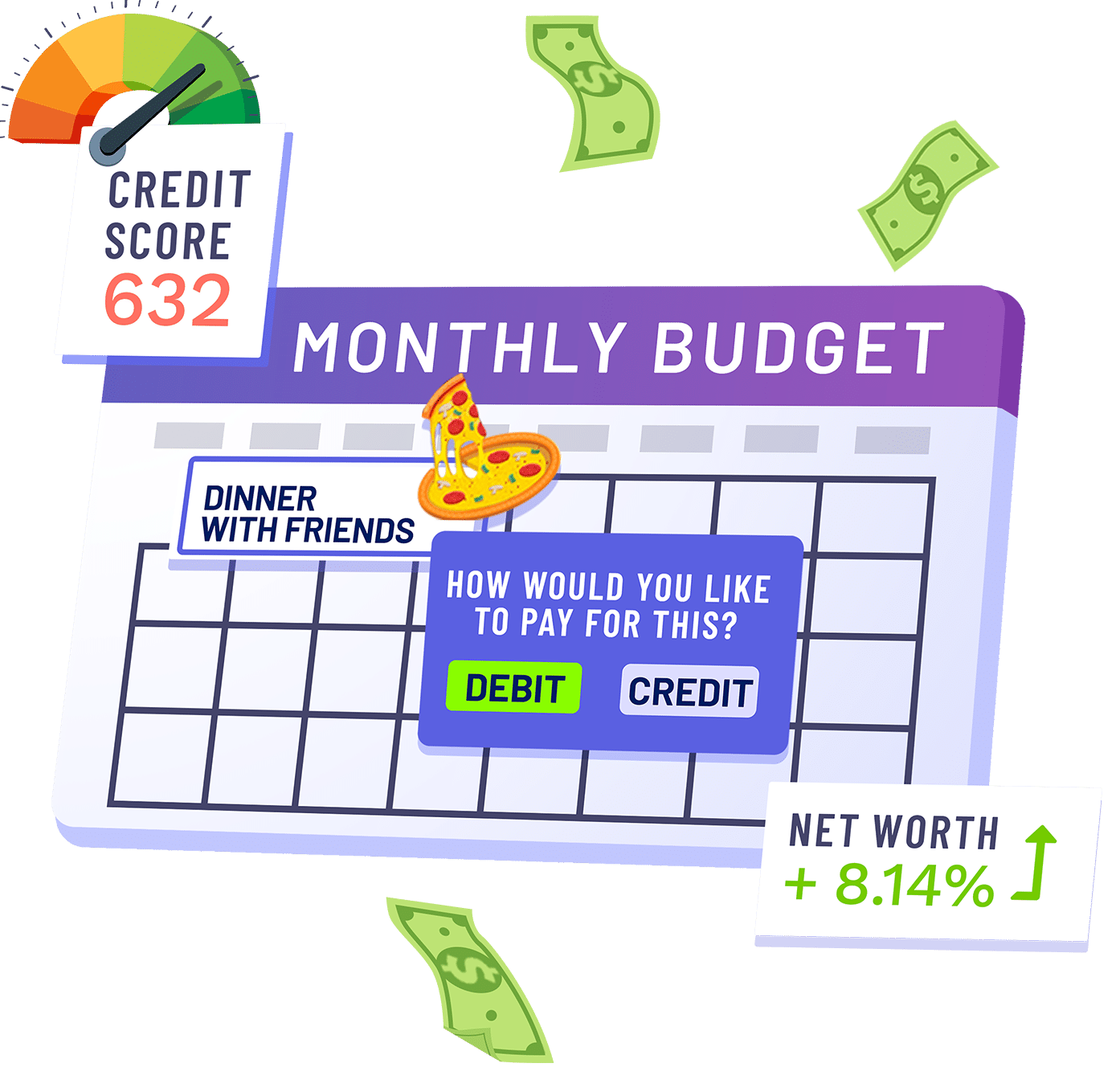
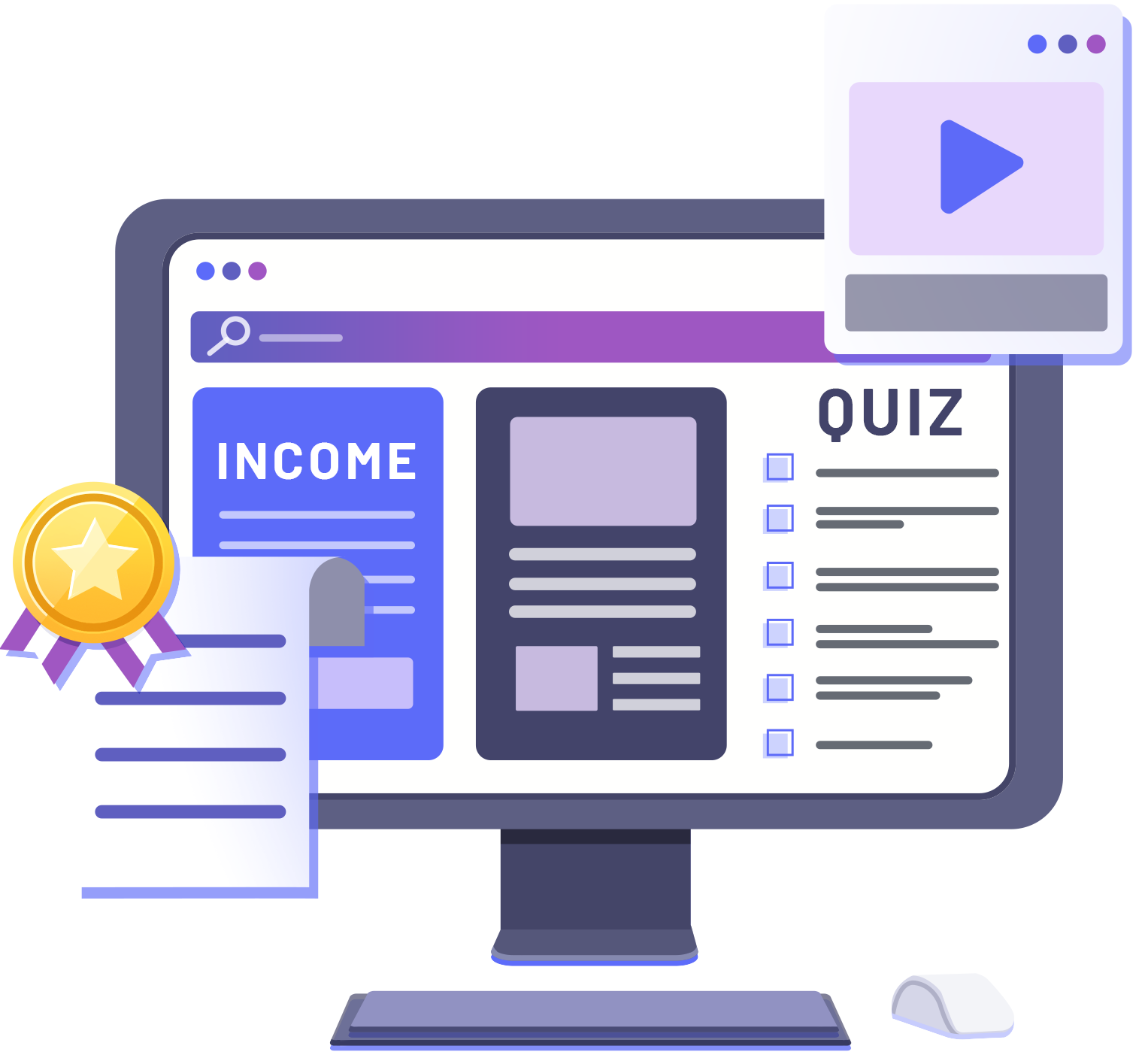
Students will learn through playing the interactive online games, as well as completing the self-graded lessons that were designed to keep young learners engaged.
When you order PersonalFinanceLab® for your class, you’ll also get access to course outlines, lesson plans, student activities and grading rubrics that tie everything together.
Check out our course outlines, we’ll walk you through every step of the way!
We’re here to help engage your students to learn how to manage their money responsibly. Learn more about each of the main features and see how we can help transform your class.

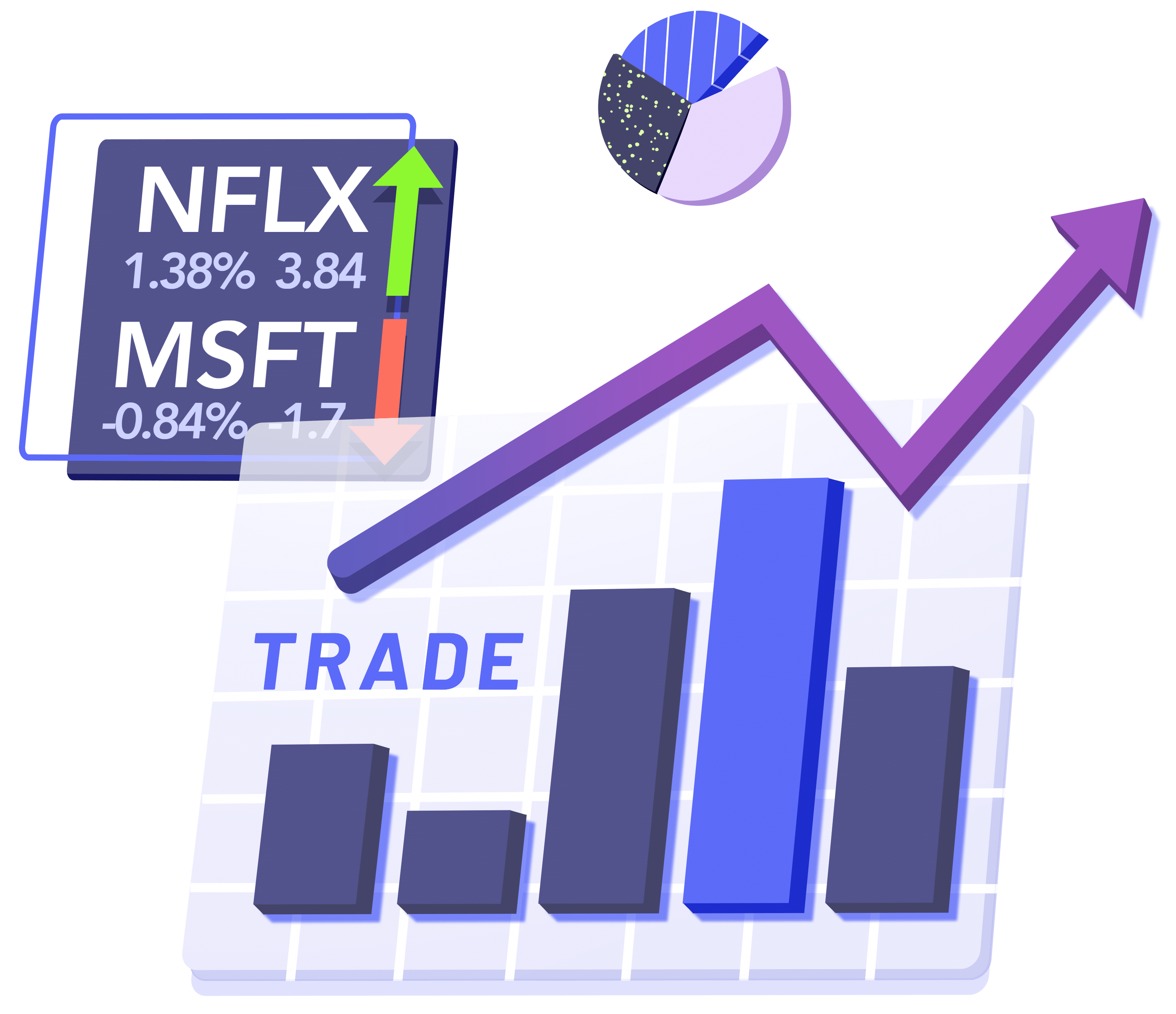
Build your students confidence in the financial markets as they learn how to invest their money wisely.
Learn more
Discover how the fully customizable platform can be tailored to fit the needs of your class by talking to a member of our team. Our curriculum specialists can guide you on how to integrate our lessons and games into your existing curriculum.
Schedule a callFind out which of our lessons or games reinforce the individual
knowledge statements from the Missouri Personal Finance Course Level Expectations for Grades 9-12
Legend:
Long-Term Game
Comprehensive Chapter
Short Lesson
Interactive Calculator
Includes Automatically-Graded Assessment
| Standard | Activity | Long-Term Game | Comprehensive Chapter | Short Lesson | Interactive Calculator | Graded Assessment |
| Financial Decision Making | ||||||
| Evaluate the role of choice in decision making |
Budget Game – Core Component Lesson – Break Free From Money Stress with a Budget Lesson – Pay Yourself First: A Simple Yet Powerful Way to Build Wealth Lesson – Opportunity Cost | |||||
| Apply a rational decision making process to satisfy wants. |
Budget Game – Core Component Lesson – Break Free From Money Stress with a Budget Lesson – Pay Yourself First: A Simple Yet Powerful Way to Build Wealth Lesson – Opportunity Cost | |||||
| Explain how today’s choices have future consequences. |
Budget Game – Core Component Lesson – Break Free From Money Stress with a Budget Lesson – Pay Yourself First: A Simple Yet Powerful Way to Build Wealth Activity – Model Your Financial Future Activity – Watch How Your Savings Could Grow Activity – Crack the Code to Becoming a Millionaire | |||||
| Explain the causal relationship between choice and opportunity cost. |
Budget Game – Core Component Lesson – Opportunity Cost | |||||
| Analyze how choices can result in unintended consequences. |
Budget Game – Core Component Lesson – How to Use Debt to Your Advantage Lesson – What Is Bankruptcy? Lesson – How Borrowers Manage Personal Debt | |||||
| Income | Activity | Long-Term Game | Comprehensive Chapter | Short Lesson | Interactive Calculator | Graded Assessment |
| Evaluate how career choices impact income and quality of life. |
Lesson – Planning Your Career Path Lesson – What’s in Your Compensation Package? | |||||
| Analyze the relationship between education, skill development and earning potential. |
Lesson – Planning Your Career Path Lesson – What’s in Your Compensation Package? Lesson – Work or Study Lesson – Why Do Some Jobs Pay More Than Others? | |||||
| Describe how wages and salaries are determined in labor markets. |
Lesson – What’s in Your Compensation Package? Lesson – Supply and Demand Examples in the Stock Market Lesson – Why Do Some Jobs Pay More Than Others? | |||||
| Analyze how changes in economic conditions and/or in labor markets can cause changes in a person’s income or employment status. |
Lesson – The Business Cycle Lesson – The Anatomy of Unemployment Lesson – Why Do Some Jobs Pay More Than Others? Lesson – Demystifying the Impact of Interest Rates Lesson – Inflation | |||||
| Describe how entrepreneurs see problems as opportunities for creating new or innovative goods or services. |
Lesson – What is Entrepreneurship? Lesson – Starting a Business 101 101 | |||||
| Examine how workers are paid through wages, salaries and commissions. | Lesson – What’s in Your Compensation Package? | |||||
| Analyze why benefits such as health insurance, paid vacation, retirement plan, family leave, tuition reimbursement and flexible scheduling are considered forms of compensation. |
Lesson – What’s in Your Compensation Package? Lesson – The Ultimate Employee Guide | |||||
| Identify sources for earning income in addition to wages and salaries such as rent, interest, gifts, dividends, profits and capital gains. |
Lesson – What’s in Your Compensation Package? Lesson – What is Money? | |||||
| Compare gross and net income. |
Budget Game – Core Component Lesson – Income Tax Filing and the Form 1040 | |||||
| Explain the purpose of standard deductions such as income taxes, social security (FICA), Medicare, deductions for health care and retirement savings plans. | Lesson – Payroll Best Practices | |||||
| Explain how taxes provide public goods and services. | Lesson – Tax Basics You Need to Know | |||||
| Buying Goods and Services | Activity | Long-Term Game | Comprehensive Chapter | Short Lesson | Interactive Calculator | Graded Assessment |
| Differentiate between income and expenses. |
Budget Game – Core Component Lesson – Break Free From Money Stress with a Budget Lesson – Pay Yourself First: A Simple Yet Powerful Way to Build Wealth | |||||
| Analyze spending habits to recognize current spending and saving trends. |
Budget Game – Core Component Lesson – Break Free From Money Stress with a Budget Lesson – Pay Yourself First: A Simple Yet Powerful Way to Build Wealth Lesson – Achieve Financial Goals with a Spending Plan Lesson – Proven Techniques to Stop Overspending | |||||
| Create a budget that includes savings goals, emergency funds, fixed expenses and variable expenses. |
Budget Game – Core Component Lesson – Break Free From Money Stress with a Budget Lesson – Pay Yourself First: A Simple Yet Powerful Way to Build Wealth Lesson – Achieve Financial Goals with a Spending Plan Lesson – Proven Techniques to Stop Overspending | |||||
| Explain how budgeting for charitable giving may have tax benefits. | Lesson – A Guide to Effective Charitable Donations | |||||
| Prioritize expenses and payment due dates. |
Budget Game – Core Component Lesson – Break Free From Money Stress with a Budget Lesson – Achieve Financial Goals with a Spending Plan | |||||
| Conduct research on product options to plan future purchases such as phone, car, home or vacation. |
Lesson – How Do You Stop Impulse Purchases? Lesson – The Car Buying Checklist Lesson – Mortgage Options for First-Time Homebuyers Lesson – Planning for Long Term Purchases Activity – Calculate Your Car Loan Payments Activity – Rent or Buy: Which is Right for You? Activity – Find Out Your Monthly Home Budget | |||||
| Evaluate product information for price, quality, service and features. | Lesson – How Do You Stop Impulse Purchases? | |||||
| Describe effective responses to deceptive or fraudulent sales practices. | Lesson – How to Avoid Identity Theft, Scams & Fraud | |||||
| Identify payment methods. |
Lesson – How Debit Cards Work Lesson – Credit Cards: Terms, Fees, and More Lesson – What to Do When You Need Money Fast Lesson Mortgages Lesson – Automatic Payments: Convenience vs. Risk | |||||
| Analyze the costs and benefits of different payment options. | Lesson – How Debit Cards Work Lesson – Credit Cards: Terms, Fees, and More Lesson – What to Do When You Need Money Fast Lesson Mortgages Lesson – Automatic Payments: Convenience vs. Risk | |||||
| Evaluate substitutes when the price of goods or services exceeds your budget. |
Lesson – How Do You Stop Impulse Purchases? Lesson – Proven Techniques to Stop Overspending Lesson – Pay Yourself First: A Simple Yet Powerful Way to Build Wealth | |||||
| Compare the features, durability and maintenance costs of goods. | Lesson – How Do You Stop Impulse Purchases? | |||||
| Compare the services, service fees and requirements of various financial institutions such as banks, savings and loans, credit unions and virtual banks. |
Lesson – Choosing the Best Banking Option for You Lesson – How Debit Cards Work Lesson – Credit Cards: Terms, Fees, and More | |||||
| Calculate an account balance by recording deposits, withdrawals and debit transactions. | Lesson – Balance Your Books in 10-Minutes | |||||
| Analyze the costs and benefits of using or not using financial institutions and virtual exchanges. |
Investing101 Certification Stock Game – Core Component Lesson – Choosing the Best Banking Option for You Lesson – How Debit Cards Work Lesson – Credit Cards: Terms, Fees, and More | |||||
| Explain the importance of FDIC, NCUA and other security regulations to protect one’s wealth in financial institutions. | Investing101 Certification | |||||
| Saving | Activity | Long-Term Game | Comprehensive Chapter | Short Lesson | Interactive Calculator | Graded Assessment |
| Identify short, medium and long-term savings goals including saving for high value purchases, postsecondary education/training and retirement. |
Budget Game – Core Component Lesson – Break Free From Money Stress with a Budget Lesson – Pay Yourself First: A Simple Yet Powerful Way to Build Wealth Lesson – Work or Study Lesson – A Strategy to Build Wealth, Not Debt Lesson – Preparing For Retirement Lesson – Evaluating Big-Ticket Purchases Lesson – The Cost of Raising a Family Lesson – The Car Buying Checklist | |||||
| Develop a savings plan. |
Budget Game – Core Component Lesson – Break Free From Money Stress with a Budget Lesson – Pay Yourself First: A Simple Yet Powerful Way to Build Wealth Lesson – Achieve Financial Goals with a Spending Plan | |||||
| Explain the importance of a rainy day fund for unexpected expenses. |
Budget Game – Core Component Lesson – Break Free From Money Stress with a Budget Lesson – Pay Yourself First: A Simple Yet Powerful Way to Build Wealth Lesson – Achieve Financial Goals with a Spending Plan | |||||
| Compare retirement savings options. |
Lesson – What’s in Your Compensation Package? Lesson – The Secret to a Comfortable Retirement Lesson – A Strategy to Build Wealth, Not Debt | |||||
| Compare simple and compound interest. |
Lesson – Demystifying the Impact of Interest Rates Activity – Watch How Your Savings Could Grow | |||||
| Explain how the time value of money, i.e. money in hand today, is worth more than money promised in the future, influences financial decision making. |
Lesson – Time Value of Money Lesson – Inflation Activity – Net Present Value (NPV) Calculator | |||||
| Identify saving instruments such as certificates of deposit and savings accounts. |
Investing101 Certification Lesson – How to Develop an Investing Strategy Lesson – What is Diversification & How to Spread Your Risk Lesson – A Strategy to Build Wealth, Not Debt | |||||
| Compare the liquidity, interest payment or penalty of various savings instruments. |
Investing101 Certification Stock Game – Core Component Lesson – How to Develop an Investing Strategy Lesson – What is Diversification & How to Spread Your Risk Activity – Model Your Financial Future | |||||
| Using Credit | Activity | Long-Term Game | Comprehensive Chapter | Short Lesson | Interactive Calculator | Graded Assessment |
| Analyze the difference between a credit and a debit account |
Budget Game – Core Component Lesson – How Debit Cards Work Lesson – Credit Cards: Terms, Fees, and More | |||||
| Compare sources of consumer credit such as credit cards, consumer loans, rent-to own, title and payday loans. |
Lesson – What to Do When You Need Money Fast Lesson – Good Debt, Bad debt | |||||
| Evaluate the options for financing higher education. |
Lesson – Work or Study Lesson – Financing Your Education | |||||
| Analyze various terms and conditions of credit cards and consumer loans. |
Lesson – Credit Cards: Terms, Fees, and More Lesson – What to Do When You Need Money Fast Lesson – A Beginner’s Guide to Borrowing Wisely | |||||
| Explain the purpose, functions and costs of a mortgage. | Lesson – Mortgage Options for First-Time Homebuyers | |||||
| Compare the cost of credit between financial institutions based on the Annual Percentage Rate (APR), initial fees charged and fees for late or missed payment. |
Lesson – Credit Cards: Terms, Fees, and More Lesson – What to Do When You Need Money Fast Lesson – A Beginner’s Guide to Borrowing Wisely | |||||
| Calculate the total purchase price of a good or service including interest paid. | Activity – Use the Credit Card Payments Calculator | |||||
| Explain the relationship between risk and interest including credit worthiness and down payment. |
Lesson – Credit Cards: Terms, Fees, and More Lesson – A Beginner’s Guide to Borrowing Wisely Lesson – What Your Credit Report Says About You | |||||
| Differentiate between secured and unsecured loans. | Lesson – What to Do When You Need Money Fast | |||||
| Evaluate factors that affect creditworthiness including paying on time and payment history. |
Budget Game – Core Component Lesson – What Your Credit Report Says About You | |||||
| Explain the purpose and components of credit records and credit history as provided by credit bureaus. | Lesson – What Your Credit Report Says About You | |||||
| Identify ways to avoid and/or correct credit problems. |
Lesson – How to Use Debt to Your Advantage Lesson – How Borrowers Manage Personal Debt | |||||
| Analyze why credit scores may be used by entities such as employers, landlords and insurance companies. | Lesson – What Your Credit Report Says About You | |||||
| Evaluate a credit report to verify accuracy. | Lesson – What Your Credit Report Says About You | |||||
| Explain the importance of annually verifying one’s credit report. | Lesson – What Your Credit Report Says About You | |||||
| Explain the value of consumer credit protection laws. | Lesson – What Your Credit Report Says About You | |||||
| Explain responsibilities associated with the use of credit. |
Lesson – A Beginner’s Guide to Borrowing Wisely Lesson – Credit Cards: Terms, Fees, and More Lesson – How Borrowers Manage Personal Debt | |||||
| Protecting and Insuring | Activity | Long-Term Game | Comprehensive Chapter | Short Lesson | Interactive Calculator | Graded Assessment |
| Analyze the personal financial risks that can occur when unexpected events damage health, home, property, wealth or future opportunities. |
Lesson – What’s Not Covered in Renter’s Insurance? Lesson – What Damage Does Home Insurance Cover? Lesson – Car Insurance: How to Lower Your Rates Lesson – Why Health Insurance is So Expensive Lesson – Life Insurance: The Ultimate Safety Net | |||||
| Explain how and why insurance companies create policies and determine premiums. |
Lesson – What’s Not Covered in Renter’s Insurance? Lesson – What Damage Does Home Insurance Cover? Lesson – Car Insurance: How to Lower Your Rates Lesson – Why Health Insurance is So Expensive Lesson – Life Insurance: The Ultimate Safety Net | |||||
| Analyze factors people use to choose insurance coverage. |
Lesson – What’s Not Covered in Renter’s Insurance? Lesson – What Damage Does Home Insurance Cover? Lesson – Car Insurance: How to Lower Your Rates Lesson – Why Health Insurance is So Expensive Lesson – Life Insurance: The Ultimate Safety Net | |||||
| Explain how personal behavior and risk impact insurance premiums. | Lesson – Car Insurance: How to Lower Your Rates | |||||
| Analyze health insurance options to provide funds in the event of illness and/or to pay for the cost of preventive care. | Lesson – Why Health Insurance is So Expensive | |||||
| Analyze federal and state regulations which provide some remedies and assistance for identity theft. | Lesson – How to Avoid Identity Theft, Scams & Fraud | |||||
| Analyze how individuals can protect themselves from others misusing personal information and from identity theft while online. | Lesson – How to Avoid Identity Theft, Scams & Fraud | |||||
| Discuss current ways to counter cyber-attacks and protect personal information. | Lesson – How to Avoid Identity Theft, Scams & Fraud | |||||
| Financial Investing | Activity | Long-Term Game | Comprehensive Chapter | Short Lesson | Interactive Calculator | Graded Assessment |
| Compare various financial assets for their risk and rewards such as stocks, bonds, mutual funds, real estate and commodities. |
Stock Game – Core Component Investing101 Certification Lesson – What is Diversification & How to Spread Your Risk Lesson – A Beginner’s Guide to Investing in Stocks Lesson – Why invest in Stocks? Lesson – A Simple Explanation of ETFs Lesson – The Pros and Cons of Mutual Funds Lesson – What are Bonds Activity – Model Your Financial Future | |||||
| Explain the impact of capital gains, dividends, risk and stock value on corporate stock ownership. | Lesson – Dividends and Changes of Ownership | |||||
| Explain how the price of a financial asset is determined by the interaction of buyers and sellers in a financial market. |
Lesson – Supply and Demand Examples in the Stock Market Lesson – Decoding What Moves The Market | |||||
| Explain how the rate of return earned from investments will vary according to the amount of risk. |
Stock Game – Core Component Investing101 Certification Lesson – What is Diversification & How to Spread Your Risk Activity – Model Your Financial Future | |||||
| Explain how the rates of return on financial assets are influenced by buyers and sellers in financial markets. |
Lesson – Supply and Demand Examples in the Stock Market Lesson – Decoding What Moves The Market | |||||
| Explain why an investment with greater risk, such as a penny stock, will commonly have a lower market price, but an uncertain rate of return. |
Stock Game – Core Component Investing101 Certification Lesson – What is Diversification & How to Spread Your Risk Activity – Model Your Financial Future | |||||
| Explain the risks and rewards of short term and long-term investments. |
Lesson – The Secret to a Comfortable Retirement Lesson – A Strategy to Build Wealth, Not Debt Lesson – How to Develop an Investing Strategy Lesson – What is Diversification & How to Spread Your Risk | |||||
| Describe how diversification can lower investment risk. | Lesson – What is Diversification & How to Spread Your Risk |
If you would like to learn more about PersonalFinanceLab, schedule a personalized demo, or get a Test Drive account to preview our games and lessons for yourself, please fill out the form below.
Fill out the form