

Wisconsin Model Academic Standards for Personal Financial Literacy

Wisconsin
Personal Financial Literacy Standards

We compared our learning materials and the core financial literacy concepts that are covered in our Budget and Stock Games to the personal financial literacy standards for the state of Wisconsin.

A list of the Wisconsin’s Model Academic Standards for Personal Financial Literacy are below, along with a selection of activities from our games and library that align with each standard. Our Learning Library contains over 300 total lessons that can be customized for every class, so this may not include every lesson that may apply for each standard.

Course Outlines, Lesson Plans & Student Activities

Students will learn through playing the interactive online games, as well as completing the self-graded lessons that were designed to keep young learners engaged.

When you order PersonalFinanceLab® for your class, you’ll also get access to course outlines, lesson plans, student activities and grading rubrics that tie everything together.

Check out our course outlines, we’ll walk you through every step of the way!

Get to Know PersonalFinanceLab®

We’re here to help engage your students to learn how to manage their money responsibly. Learn more about each of the main features and see how we can help transform your class.

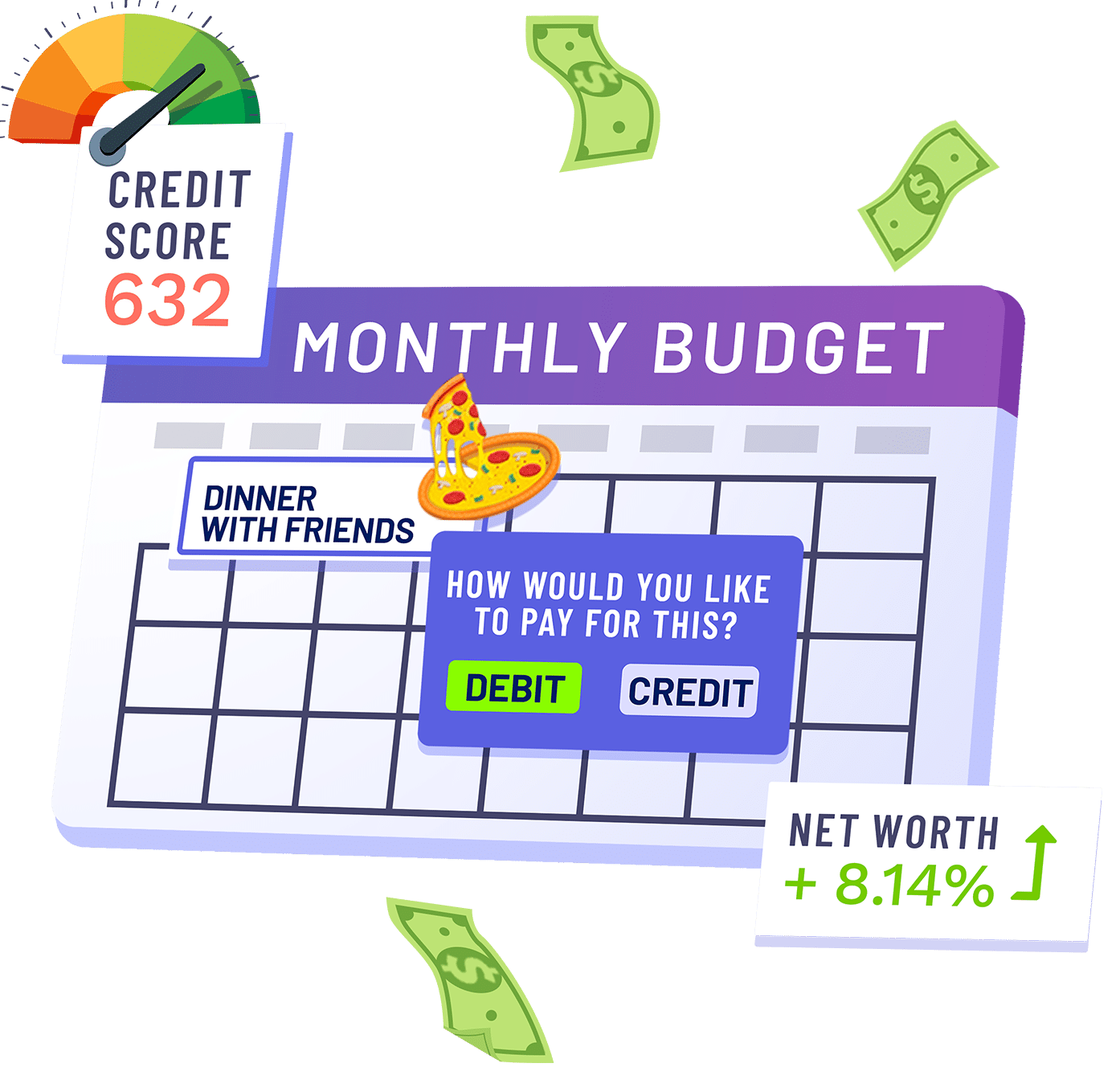
Personal Budgeting Game

A monthly budget game with real-life scenarios and consequences.

Learn more

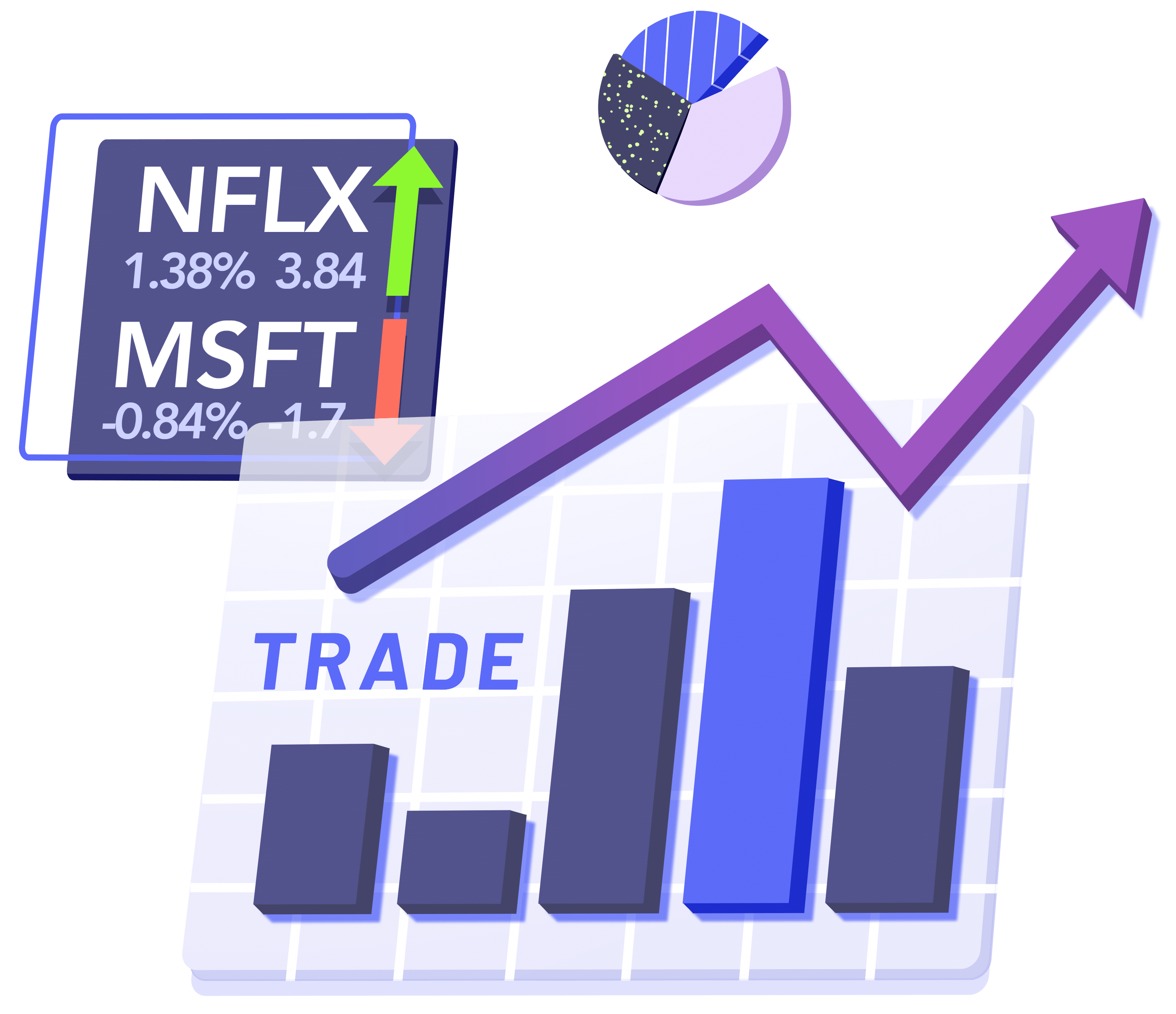
Stock Market Game

Build your students confidence in the financial markets as they learn how to invest their money wisely.

Learn more

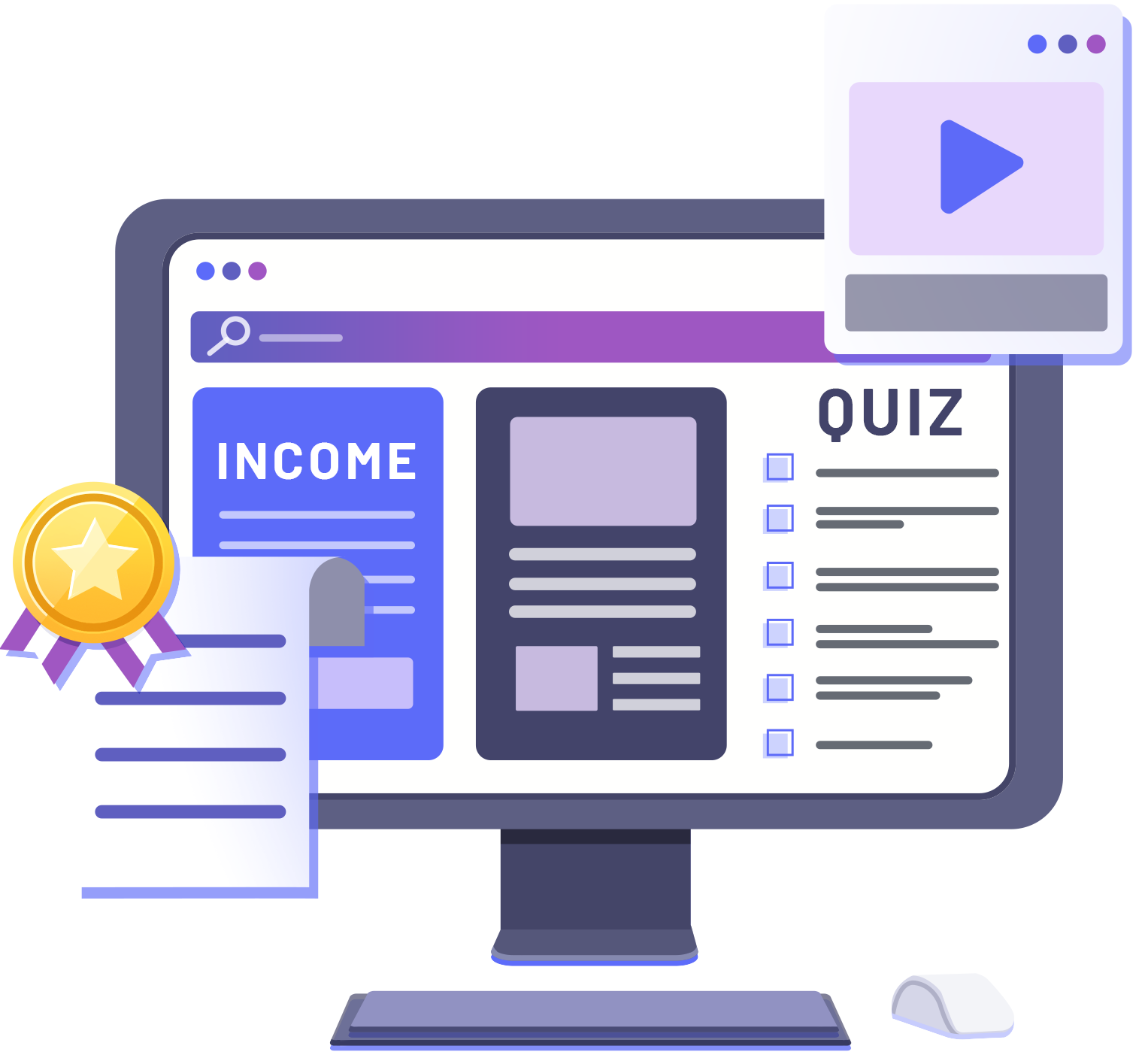
Embedded Lessons

Self-graded lessons aligned to National and Jump$tart Standards.

Learn more
Schedule a call

We’re Here to Help!

Discover how the fully customizable platform can be tailored to fit the needs of your class by talking to a member of our team. Our curriculum specialists can guide you on how to integrate our lessons and games into your existing curriculum.

Schedule a call

Wisconsin’s Model Academic Standards for Personal Financial Literacy

Find out which of our lessons or games reinforce the individual
knowledge statements from the Wisconsin’s Personal Financial Literacy Standards.

Legend:

Long-Term Game
Comprehensive Chapter
Short Lesson
Interactive Calculator
Includes Automatically-Graded Assessment

Standard Activity Long-Term Game Comprehensive Chapter Short Lesson Interactive Calculator Graded Assessment
RELATING INCOME AND EDUCATION
Relate how career choices, education choices, skills, entrepreneurship, and economic conditions affect income. Lesson – Planning Your Career Path
Lesson – Work or Study
Lesson – Starting a Business 101 101
Lesson – The Business Cycle
Lesson – The Importance of Interest Rates
Describe the unique characteristics of both a job and a career. Lesson – Planning Your Career Path
Identify and understand factors affecting income. Lesson – What’s in Your Compensation Package?
Understand how employee benefits relate to income. Lesson – What’s in Your Compensation Package?
Lesson – The Ultimate Employee Guide
Examine how income affects choices and spending decisions. Budget Game – Core Component
Lesson – Achieve Financial Goals with a Spending Plan
Investigate how individual skills and abilities can be applied to a career choice. Lesson – Planning Your Career Path
Discuss concepts associated with taxes and income. Budget Game – Core Component
Lesson – Tax Basics You Need to Know
Lesson – Income Tax Filing Tips & Tricks
Identify the origin and purposes of the payroll deduction process. Lesson – Payroll Best Practices
Identify taxable income and employee benefits. Lesson – What’s in Your Compensation Package?
Lesson – The Ultimate Employee Guide
Research government policies and programs that are available to employees. Lesson – The Anatomy of Unemployment and other programs
MONEY MANAGEMENT Activity Long-Term Game Comprehensive Chapter Short Lesson Interactive Calculator Graded Assessment
Formulate and compare money management choices that enable individuals to progress toward stated financial goals. Budget Game – Core Component
Prepare a budget for various applications(personal, family, business). Lesson – Break Free From Money Stress with a Budget
Lesson – Proven Techniques to Stop Overspending
Lesson – Cash Planning
Lesson – Short Term and Long Term Financing
Analyze and select appropriate financial institutions to assist with meeting various personal financial needs and goals. Lesson – Break Free From Money Stress with a Budget
Lesson – Choosing the Best Banking Option for You
Lesson – A Strategy to Build Wealth, Not Debt
Lesson – The Secret to a Comfortable Retirement
Describe various financial products or services (ATM, debit cards, credit cards, checkbooks, etc.) and the most appropriate use of each. Lesson – What is Money?
Lesson – How Debit Cards Work
Lesson – Credit Cards: Terms, Fees, and More
Lesson – What to Do When You Need Money Fast
Develop a plan to secure funding for a future event. Lesson – Planning for Long-Term Purchases
Analyze and discuss the long-range impact of setting personal financial goals. Lesson – Planning for Long-Term Purchases
Lesson – The Secret to a Comfortable Retirement
Lesson – The Cost of Raising a Family
Lesson – Planning Your Career Path
Compare and contrast the influence of culture, traditions, location, and experience on personal financial goals. Lesson – Break Free From Money Stress with a Budget
Lesson – Analyzing Consumer Behavior
Lesson – How Businesses Find Their Ideal Customers
Explain the history of existing forms of taxation at the federal, state, and local levels. Lesson – Tax Basics You Need to Know
Identify reasons to comply with personal tax obligations and the consequences of not doing so. Lesson – What Is a Tax Audit?
Lesson – When to hire a tax professional
Lesson – Income Tax Filing Tips & Tricks
Describe the advantages and disadvantages of various sources of assistance with tax planning and filing. Lesson – What Is a Tax Audit?
Lesson – When to hire a tax professional
Lesson – Income Tax Filing Tips & Tricks
CREDIT AND DEBT MANAGEMENT Activity Long-Term Game Comprehensive Chapter Short Lesson Interactive Calculator Graded Assessment
Compare the benefits and costs of spending decisions. Budget Game – Core Component
Lesson – Pay Yourself First: A Simple Yet Powerful Way to Build Wealth
Lesson – Achieve Financial Goals with a Spending Plan
Analyze information about products and services. Lesson – How Do You Stop Impulse Purchases?
Contrast a rapid access loan and a bank loan. Lesson – What to Do When You Need Money Fast
Lesson – How to Use Debt to Your Advantage
Distinguish the financial benefits and services of different types of lending institutions. Lesson – What to Do When You Need Money Fast
Lesson – How to Use Debt to Your Advantage
Lesson – Proven Techniques to Stop Overspending
Explain strategies of debt and credit management. Lesson – How Borrowers Manage Personal Debt
Lesson – How to Use Debt to Your Advantage
Explain credit terminology. Lesson – A Beginner’s Guide to Borrowing Wisely
Lesson – Credit Cards: Terms, Fees, and More
Analyze sources of consumer credit. Lesson – What to Do When You Need Money Fast
Lesson – How to Use Debt to Your Advantage
Explain options for payment on credit cards. Lesson – Credit Cards: Terms, Fees, and More
Lesson – Automatic Payments: Convenience vs. Risk
Differentiate between a credit card, charge card, and debit card. Budget Game – Core Component
Lesson – How Debit Cards Work
Lesson – Credit Cards: Terms, Fees, and More
Demonstrate balance sheet concepts: debit and credit. Lesson – Balance Your Books in 10-Minutes
Lesson – How to Read a Balance Sheet
Lesson – Tame Your Financial Paperwork
Compare advantages and disadvantages of various debt payment methods. Lesson – What to Do When You Need Money Fast
Lesson – How to Use Debt to Your Advantage
Define terminology associated with mortgages. Lesson – Mortgage Options for First-Time Homebuyers
Activity – Rent or Buy: Which is Right for You?
Explain the factors affecting a “credit score.” Lesson – What Your Credit Report Says About You
Identify factors that affect creditworthiness and the purposes of credit records. Lesson – What Your Credit Report Says About You
Identify ways to avoid or correct credit problems. Lesson – What Your Credit Report Says About You
Compare and compute application of interest, compound interest, and amortization. Lesson – The Importance of Interest Rates
Activity – Watch How Your Savings Could Grow
Compute the amount of interest paid over time when using credit. Activity – Use the Credit Card Payments Calculator
Calculate the cost of borrowing for various amounts and types of purchases. Activity – Rent or Buy: Which is Right for You?
Activity – Find Out Your Monthly Home Budget
Activity – Calculate Your Car Loan Payments
Explain the rights and responsibilities of buyers and sellers under consumer protection laws. Lesson – Protect Yourself as a Consumer
Distinguish between the rights and responsibilities of buyers and sellers under consumer protection laws. Lesson – Protect Yourself as a Consumer
List the purposes of debt. Lesson – A Beginner’s Guide to Borrowing Wisely
Lesson – Credit Cards: Terms, Fees, and More
Lesson – How to Use Debt to Your Advantage
Examine ways to leverage debt beneficially. Lesson – How to Use Debt to Your Advantage
Lesson – The Car Buying Checklist
Lesson – Mortgage Options for First-Time Homebuyers
Identify different types of bankruptcy. Lesson – What Is Bankruptcy?
Examine ways to avoid bankruptcy. Lesson – How Borrowers Manage Personal Debt
Lesson – Getting Help With Debt Repayment
Lesson – Debt Relief: Is Consolidation the Answer?
Lesson – How to Negotiate With Creditors
Outline the implication(s) of bankruptcy. Lesson – What Is Bankruptcy?
Illustrate products and practices such as instant tax refunds and payday lending. Lesson – What to Do When You Need Money Fast
Lesson – How to Use Debt to Your Advantage
Lesson – Tax Basics You Need to Know
Describe predatory lending practices. Lesson – What to Do When You Need Money Fast
PLANNING, SAVING, AND INVESTING Activity Long-Term Game Comprehensive Chapter Short Lesson Interactive Calculator Graded Assessment
Understand the concept of “time value” of money. Lesson – Time Value of Money
Apply the principle of “pay me first” to realistic scenarios. Budget Game – Core Component
Lesson – Pay Yourself First: A Simple Yet Powerful Way to Build Wealth
Define the difference between income and wealth. Lesson – What is Money?
Lesson – What is Wealth?
Lesson – What’s in Your Compensation Package?
Apply the concept of “opportunity cost” to personal financial decisions. Lesson – Opportunity Cost
Lesson – Pay Yourself First: A Simple Yet Powerful Way to Build Wealth
Lesson – What is Wealth?
Differentiate between various savings vehicles and their most effective utilization. Lesson – Break Free From Money Stress with a Budget
Lesson – The Secret to a Comfortable Retirement
Lesson – What is Diversification & How to Spread Your Risk
Understand various investment options. Stock Game – Core Component
Investing101 Certification
Lesson – What is Diversification & How to Spread Your Risk
Lesson – A Beginner’s Guide to Investing in Stocks
Lesson – Getting Started with Bond Investing
Lesson – A Simple Explanation of ETFs
Lesson – The Pros and Cons of Mutual Funds
Differentiate between income and investment growth. Lesson – What’s in Your Compensation Package?
Lesson – What is Wealth?
Lesson – The Secret to a Comfortable Retirement
Lesson – A Strategy to Build Wealth, Not Debt
Describe reasons for saving, reasons for investing, and entrepreneurship. Lesson – Starting a Business 101 101
Lesson – Planning Long-Term Purchases
Lesson – How to Prepare for Unexpected Expenses
Lesson – Pay Yourself First: A Simple Yet Powerful Way to Build Wealth
Lesson – The Secret to a Comfortable Retirement
Describe differences between banks, investment firms, and financial planners. Lesson – Choosing the Best Banking Option for You
Lesson – Getting Help With Debt Repayment
Lesson – When to hire a tax professional
Calculate short- and long-term returns of stocks and bonds. Stock Game – Core Component
Investing101 Certification
Activity – Model Your Financial Future
Lesson – Why invest in Stocks?
Lesson – Getting Started with Bond Investing
Explain the economic principle of supply and demand. Lesson – Supply and Demand Examples in the Stock Market
Compare budget to realized financial activities. Budget Game – Core Component
BECOMING A CRITICAL CONSUMER Activity Long-Term Game Comprehensive Chapter Short Lesson Interactive Calculator Graded Assessment
Examine individual differences in decisions made as a consumer. Budget Game – Core Component
Compare and contrast advertising for opinion vs. fact. Lesson – Foundations of Marketing
Lesson – Planning and Evaluating Business Advertising
Lesson – Ethics In Marketing
Compare, contrast, and compute interest rates and fees of various financial institutions. Activity – Use the Credit Card Payments Calculator
Lesson – The Importance of Interest Rates
Identify the components of completed written and verbal contracts. Lesson – What makes a contract valid?
Explain why contracts are used. Lesson – What makes a contract valid?
Analyze the elements and laws associated with fraud. Lesson – How to Avoid Identity Theft, Scams & Fraud
Identify resources that can be used in making consumer decisions. Lesson – How Do You Stop Impulse Purchases?
Explain the forms and functions of money. Lesson – What is Money?
Compare the value of goods or services from different sellers. Lesson – How Do You Stop Impulse Purchases?
Demonstrate aspects of being a responsible consumer. Lesson – Protect Yourself as a Consumer
COMMUNITY AND FINANCIAL RESPONSIBILITY Activity Long-Term Game Comprehensive Chapter Short Lesson Interactive Calculator Graded Assessment
Classify individual, social, and cultural differences in understanding and use of money and other financial resources. Lesson – Comparative Economic Systems – Capitalism, Socialism, and Communism
Lesson – How Global Trade Shapes Our Economy
Lesson – Analyzing Consumer Behavior
Lesson – How Businesses Find Their Ideal Customers
Analyze attitudes, assumptions, and patterns of behavior regarding money, saving, investing, and work. Lesson – Pay Yourself First: A Simple Yet Powerful Way to Build Wealth
Differentiate legal and ethical bases for making personal and societal financial decisions. Lesson – Making Ethical Business Decisions
Lesson – Ethics In Marketing
Lesson – Government impact on the economy
Lesson – What Are Property Rights?
Lesson – How to Avoid Identity Theft, Scams & Fraud
Contrast cost-benefit and opportunity-cost. Lesson – Opportunity Cost
Lesson – Pay Yourself First: A Simple Yet Powerful Way to Build Wealth
Lesson – What is Wealth?
Compare informed and responsible actions in addressing significant personal financial literacy questions/issues. Budget Game – Core Component
Demonstrate the concept and forms of taxation and its role in public activities/initiatives. Lesson – Tax Basics You Need to Know
Illustrate how the economic system of production and consumption may be a means to achieve other significant societal goals. Lesson – Why Do Some Jobs Pay More Than Others?
Examine the implications of legal and ethical behavior when making personal financial decisions. Lesson – Protect Yourself as a Consumer
Lesson – How to Avoid Identity Theft, Scams & Fraud
Lesson – Knowing Your Risks & Risk Tolerance
Speculate about the impact of global economic events on personal financial planning. Lesson – The Business Cycle
Lesson – Could the 1929 Crash Happen Again?
Lesson – Inflation
Demonstrate the consequences of consumer citizen decisions and actions on the economy, broader society, and the environment. Lesson – Analyzing Consumer Behavior
Lesson – The Business Cycle
Lesson – Could the 1929 Crash Happen Again?
Lesson – What is Economics?
Compare and contrast the importance and impact of business, government, and consumer fiscal responsibility. Lesson – What Does Fiscal Policy Mean?
Connect the role of philanthropy, volunteer service, and charities to community development and quality of life. Lesson – Chartible Giving
RISK MANAGEMENT Activity Long-Term Game Comprehensive Chapter Short Lesson Interactive Calculator Graded Assessment
Predict the impact of loss associated with different types of financial risk. Lesson – Knowing Your Risks & Risk Tolerance
Lesson – Opportunity Cost
Lesson – How to Develop an Investing Strategy
Investing101 Certification
Explain how to reduce financial risk to self, family, and community. Lesson – What is Diversification & How to Spread Your Risk
Lesson – Why Health Insurance is So Expensive
Lesson – Life Insurance: The Ultimate Safety Net
Identify ways to manage the possibility of financial loss. Lesson – How to Prepare for Unexpected Expenses
Describe the need for and value of different types of insurance. Lesson – Why Health Insurance is So Expensive
Lesson – Life Insurance: The Ultimate Safety Net
Lesson – What’s Not Covered in Renter’s Insurance?
Lesson – What Damage Does Home Insurance Cover?
Lesson – Car Insurance: How to Lower Your Rates
Identify factors to consider when determining the amount of protection needed. Lesson – Why Health Insurance is So Expensive
Lesson – Life Insurance: The Ultimate Safety Net
Lesson – What’s Not Covered in Renter’s Insurance?
Lesson – What Damage Does Home Insurance Cover?
Lesson – Car Insurance: How to Lower Your Rates
Identify strategies to lower insurance costs. Lesson – Why Health Insurance is So Expensive
Lesson – Life Insurance: The Ultimate Safety Net
Lesson – What’s Not Covered in Renter’s Insurance?
Lesson – What Damage Does Home Insurance Cover?
Lesson – Car Insurance: How to Lower Your Rates
Apply opportunity-cost analysis to selected financial situations. Lesson – Opportunity Cost
Lesson – Pay Yourself First: A Simple Yet Powerful Way to Build Wealth
Lesson – What is Wealth?
Explain why it is important to develop plans for protecting current and future personal assets against financial loss. Lesson – What is Wealth?
Lesson – A Strategy to Build Wealth, Not Debt
Lesson – What Damage Does Home Insurance Cover?
Lesson – Planning for Retirement

Information Request

If you would like to learn more about PersonalFinanceLab, schedule a personalized demo, or get a Test Drive account to preview our games and lessons for yourself, please fill out the form.

Fill out the form