


Massachusetts Personal Financial Literacy Curriculum Frameworks

Massachusetts
Personal Financial Literacy Curriculum Frameworks

We compared our learning materials and the core financial literacy concepts that are covered in our Budget and Stock Games to the personal finance standards for the state of Massachusetts.

A list of the Personal Financial Literacy in the Massachusetts Curriculum Frameworks are below, along with a selection of activities from our games and library that align with each standard. Our Learning Library contains over 300 total lessons that can be customized for every class, so this may not include every lesson that may apply for each standard.

Course Outlines, Lesson Plans & Student Activities

Students will learn through playing the interactive online games, as well as completing the self-graded lessons that were designed to keep young learners engaged.

When you order PersonalFinanceLab® for your class, you’ll also get access to course outlines, lesson plans, student activities and grading rubrics that tie everything together.

Check out our course outlines, we’ll walk you through every step of the way!

Get to Know PersonalFinanceLab®

We’re here to help engage your students to learn how to manage their money responsibly. Learn more about each of the main features and see how we can help transform your class.

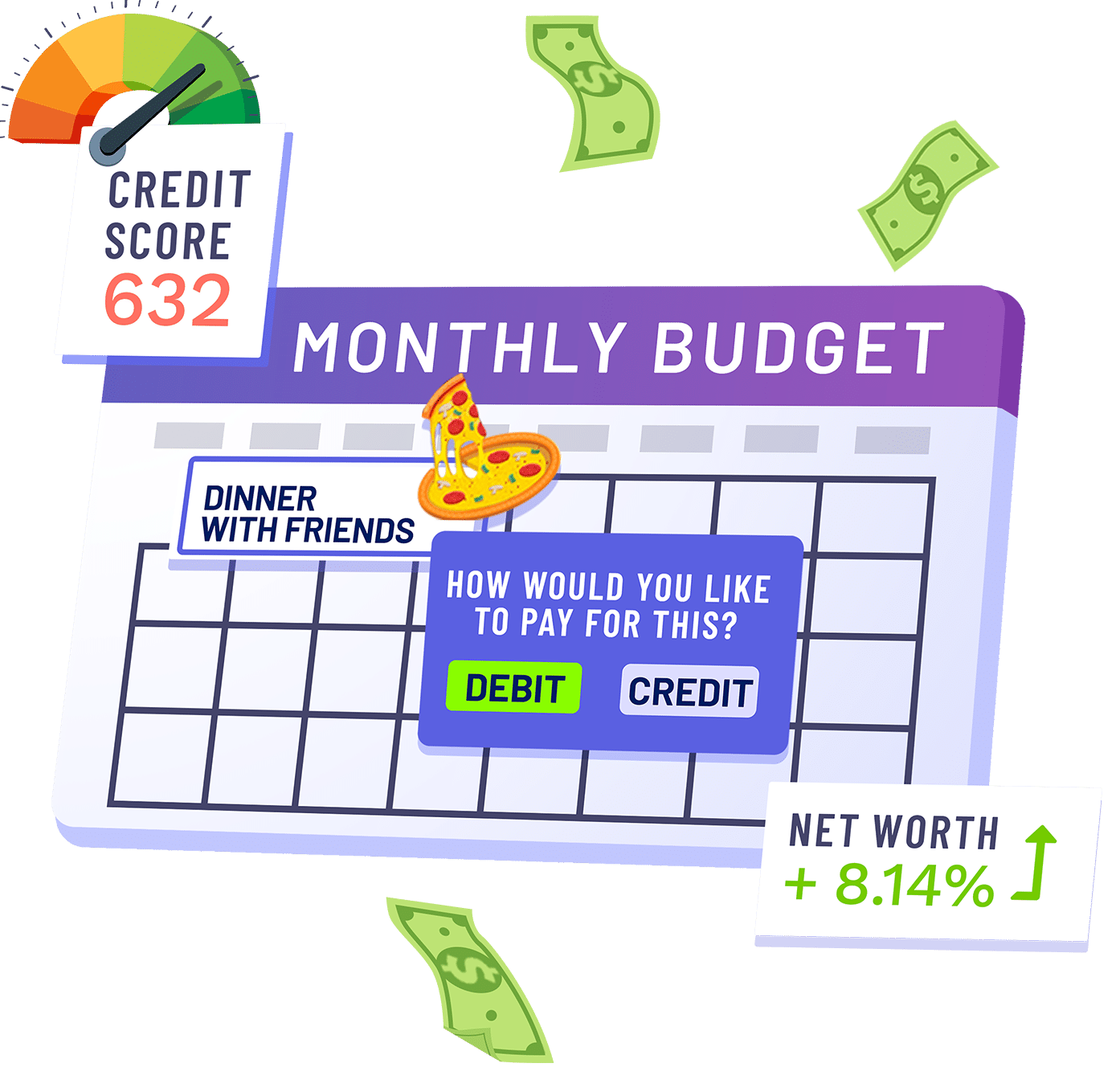
Personal Budgeting Game

A monthly budget game with real-life scenarios and consequences.

Learn more

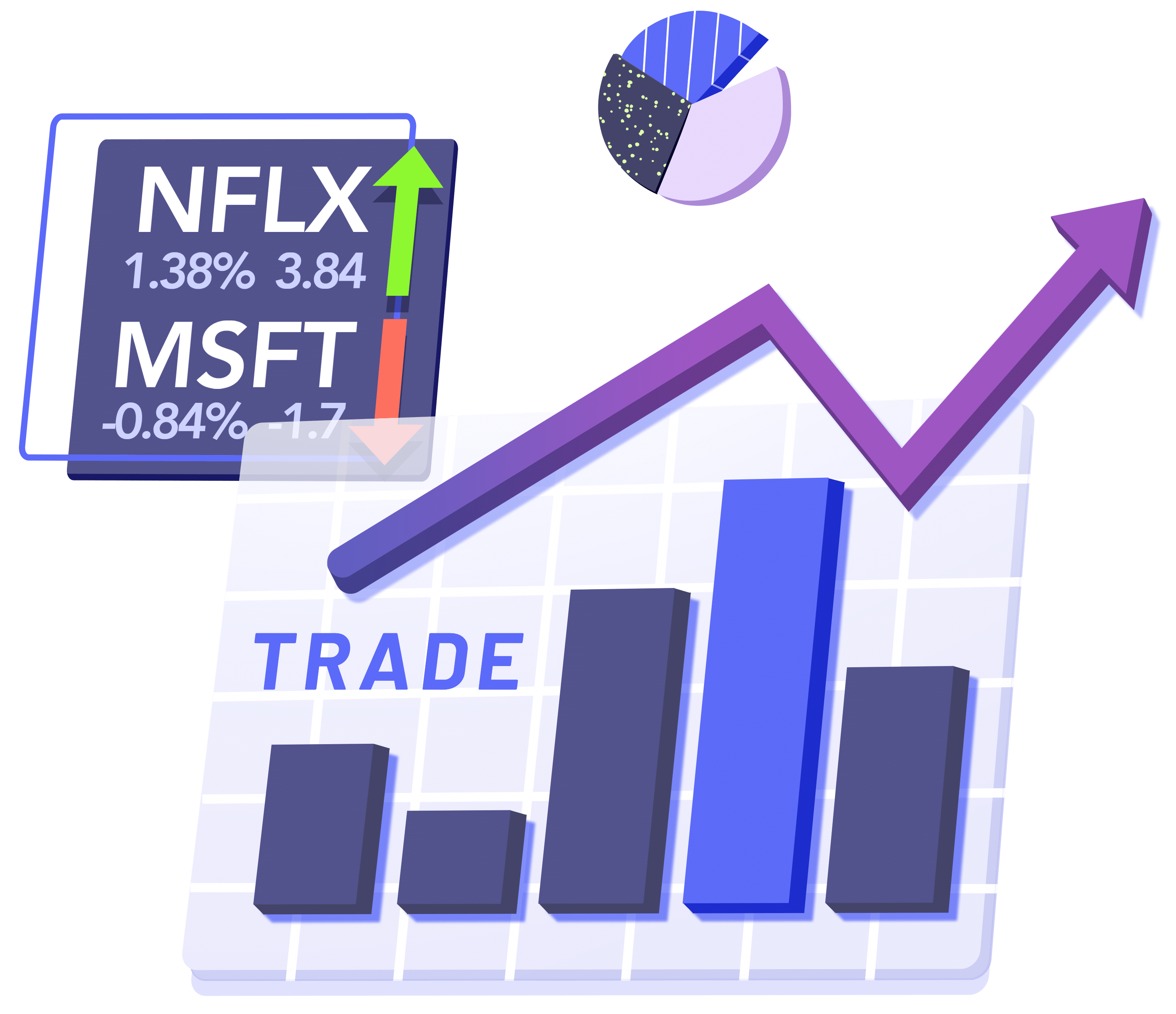
Stock Market Game

Build your students confidence in the financial markets as they learn how to invest their money wisely.

Learn more

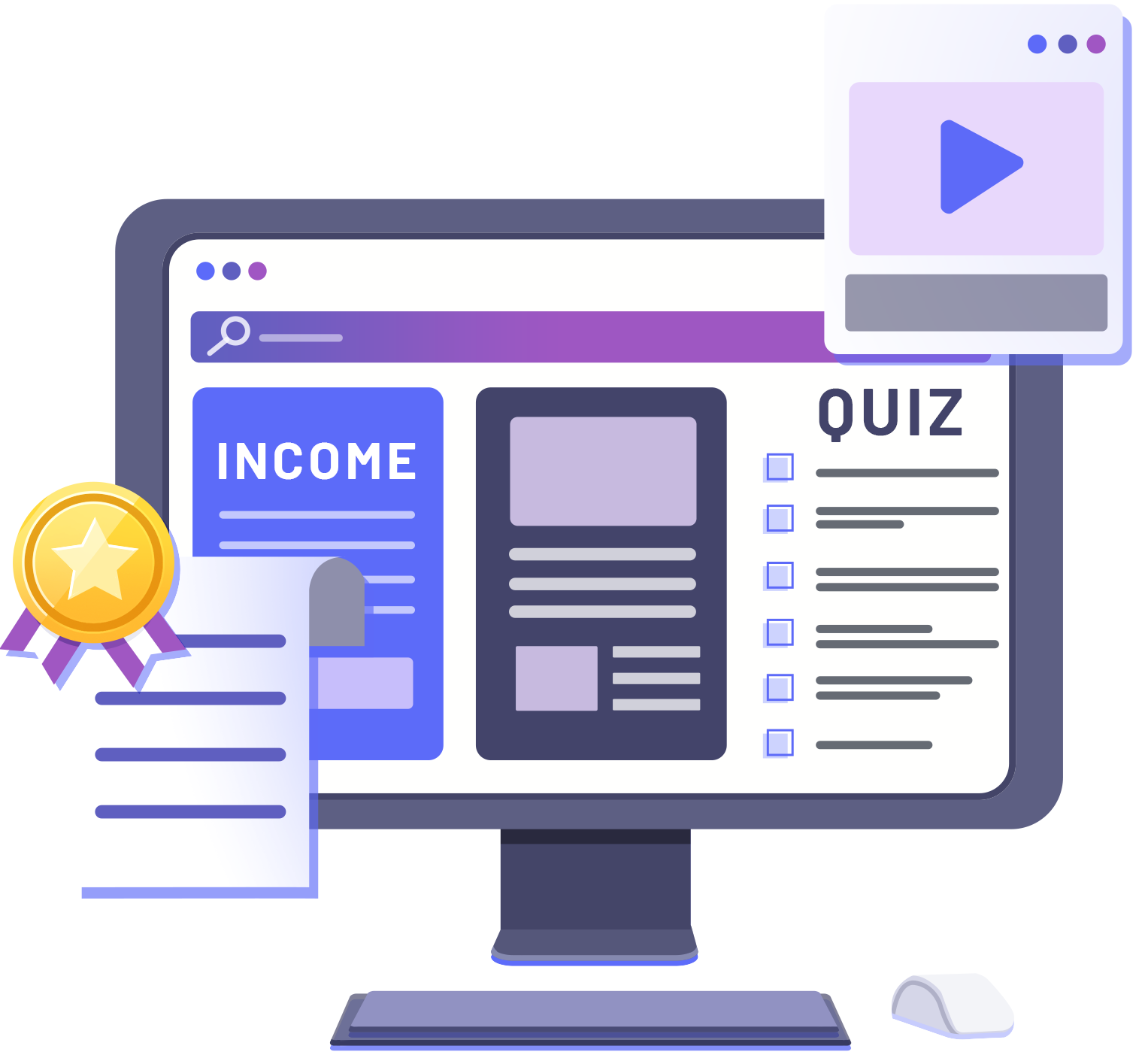
Embedded Lessons

Self-graded lessons aligned to National and Jump$tart Standards.

Learn more
Schedule a call

We’re Here to Help!

Discover how the fully customizable platform can be tailored to fit the needs of your class by talking to a member of our team. Our curriculum specialists can guide you on how to integrate our lessons and games into your existing curriculum.

Schedule a call

Massachusetts Personal Financial Literacy Curriculum Alignment

Find out which of our lessons or games reinforce the individual
knowledge statements from the Personal Financial Literacy in the Massachusetts Curriculum Frameworks.

Legend:

Long-Term Game
Comprehensive Chapter
Short Lesson
Interactive Calculator
Includes Automatically-Graded Assessment

Standard Activity Long-Term Game Comprehensive Chapter Short Lesson Interactive Calculator Graded Assessment
Loans
Compare and contrast credit, savings, and investment services available to the consumer from financial institutions. Lesson – Banks, Credit Unions, and Savings and Loans
Recognize that banks and other financial institutions are businesses that loan funds received from depositors to borrowers. Lesson – Banks, Credit Unions, and Savings and Loans
Recognize that a credit card purchase is a type of loan from the financial institution that issued the credit card, that financial institutions may charge a fee for credit card use, and that credit card interest rates tend to be higher than those for other types of loans. Lesson – Credit Cards
Lesson – A Beginner’s Guide to Borrowing Wisely
Research and report on the long-term consequences for borrowers of failure to repay loans, such as negative entries in a credit report, repossession of property, garnishment of wages, the inability to obtain loans in the future, and bankruptcy. Lesson – How Borrowers Manage Personal Debt
Lesson – What to Do When You Need Money Fast
Lesson – What Is Bankruptcy?
Explain a consumer’s rights for full disclosure of credit terms for a loan and for a free copy of his or her own credit report so that the consumer can verify it. Lesson – What Your Credit Report Says About You
Interest and Interest Accrual Activity Long-Term Game Comprehensive Chapter Short Lesson Interactive Calculator Graded Assessment
Predict how interest rates act as an incentive for savers and borrowers. Lesson – Demystifying the Impact of Interest Rates
Explain the relationship between principal (the initial amount of money deposited in a bank by a person), interest (the amount earned from a bank, usually annually), and compound interest (interest earned on the principal and the interest already earned). Lesson – Demystifying the Impact of Interest Rates
Lesson – A Beginner’s Guide to Borrowing Wisely
Activity – Use the Credit Card Payments Calculator
Activity – Watch How Your Savings Could Grow
Explain the difference between the real interest rate of return on savings (adjusted for inflation) and the nominal interest rate. Lesson – Demystifying the Impact of Interest Rates
Lesson – Inflation
Recognize that a credit card purchase is a type of loan from the financial institution that issued the credit card, that financial institutions may charge a fee for credit card use, and that credit card interest rates tend to be higher than those for other types of loans. Lesson – What to Do When You Need Money Fast
Lesson – Credit Cards: Terms, Fees, and More
Lesson – A Beginner’s Guide to Borrowing Wisely
Formulate a credit plan for purchasing a major item such as a car or home, comparing different interest rates. Activity – Rent or Buy: Which is Right for You?
Activity – Find Out Your Monthly Home Budget
Lesson – Mortgage Options for First-Time Homebuyers
Lesson – Buying a car
Credit Card Debt Activity Long-Term Game Comprehensive Chapter Short Lesson Interactive Calculator Graded Assessment
Explain why some banks offer credit at low introductory rates that increase when a consumer makes a late payment or misses a payment. Lesson – How Debit Cards Work
Explain what a credit bureau does, what a credit rating is and the factors from an individual’s credit history that may lead to denial of credit; explain the potential uses of credit reports and scores (e.g., in hiring or renting decisions or the setting of insurance premium rates). Lesson – What Your Credit Report Says About You
Research and report on the long-term consequences for borrowers of failure to repay loans, such as negative entries in a credit report, repossession of property, garnishment of wages, the inability to obtain loans in the future, and bankruptcy. Lesson – How Borrowers Manage Personal Debt
Lesson – What to Do When You Need Money Fast
Lesson – What Is Bankruptcy?
Explain a consumer’s rights for full disclosure of credit terms for a loan and for a free copy of his or her own credit report so that the consumer can verify it. Lesson – What Your Credit Report Says About You
Formulate a credit plan for purchasing a major item such as a car or home, comparing different interest rates. Activity – Rent or Buy: Which is Right for You?
Activity – Find Out Your Monthly Home Budget
Lesson – Mortgage Options for First-Time Homebuyers
Lesson – Buying a car
Online Commerce Activity Long-Term Game Comprehensive Chapter Short Lesson Interactive Calculator Graded Assessment
Describe the impact of advertising and social media on purchasing decisions; use data to research the effects of media sources on purchases of durable goods (such as cars or appliances) or more temporary goods and services (such as shoes, clothes, cosmetics, or transportation). Lesson – Break Free From Money Stress with a Budget
Give examples of ways people can pay for goods, services, or charitable donations (e.g., cash, credit or debit card, check, mobile phone payment, layaway plan, rent-to-own) and analyze the costs and benefits of each method of payment. Lesson – What is Money?
Lesson – Automatic Payments: Convenience vs. Risk
Lesson – How Debit Cards Work
Lesson – Credit Cards: Terms, Fees, and More
Explain the problems associated with identity theft and ways to protect sensitive personal information, particularly in online transactions, email scams, and telemarketing. Lesson – How to Avoid Identity Theft, Scams & Fraud
Explain that a password helps protect the privacy of information. Lesson – How to Avoid Identity Theft, Scams & Fraud
Identify and describe how people (e.g., students, parents, police officers) use many types of technologies in their daily work and personal lives. Lesson – Why Do Some Jobs Pay More Than Others?
Lesson – How to Get Past Resume Software
Explain the proper use and operation of security technologies (e.g., passwords, virus protection software, spam filters, popup blockers, cookies). Lesson – How to Avoid Identity Theft, Scams & Fraud
Describe ways to employ safe practices and avoid the potential risks/dangers associated with various forms of online communications, downloads, linking, Internet purchases, advertisements, and inappropriate content within constrained environments. Lesson – How to Avoid Identity Theft, Scams & Fraud
Explain the different forms of web advertising (e.g., search ads, pay-per-click ads, banner ads, targeted ads, in-game ads, e-mail ads). Lesson – Planning and Evaluating Business Advertising
Explain the concept of quality of service (e.g., security, availability, performance) for services providers (e.g., online storefronts that must supply secure transactions for buyer and seller). Lesson – Protect Yourself as a Consumer
Rights and Responsibilities of Renting or Buying a Home Activity Long-Term Game Comprehensive Chapter Short Lesson Interactive Calculator Graded Assessment
Describe how clearly defined and enforced property rights are essential to a market economy. Lesson – What Are Property Rights?
Demonstrate how government wage and price controls, such as rent controls and minimum wage laws, create shortages and surpluses. Lesson – What are Price Controls?
Formulate a credit plan for purchasing a major item such as a car or home, comparing different interest rates. Lesson – The Car Buying Checklist
Lesson – Mortgage Options for First-Time Homebuyers
Lesson – Evaluating Big-Ticket Purchases
Explain what a financial asset is (e.g., bank deposit, stocks, bonds, mutual funds, real estate) is and explain why the worth of assets can go up or down over time. Stock Game – Core Component
Investing101 Certification – Chapter 01. Introduction to Investing
Lesson – Decoding What Moves The Market
Lesson – A Beginner’s Guide to Investing in Stocks
Lesson – A Simple Explanation of ETFs
Lesson – The Pros and Cons of Mutual Funds
Lesson – What are Bonds
Lesson – Time Value of Money
Explain the purpose of various types of insurance (e.g., health, disability, life, property and casualty); research the costs and coverage of a particular type of insurance from several different companies and analyze which company provides the best option for a particular type of consumer (e.g., a young family, a retiree). Lesson – What’s Not Covered in Renter’s Insurance?
Lesson – Car Insurance: How to Lower Your Rates
Lesson – Why Health Insurance is So Expensive
Lesson – Life Insurance: The Ultimate Safety Net
Lesson – What Damage Does Home Insurance Cover?
Saving, Investing and Planning for Retirement Activity Long-Term Game Comprehensive Chapter Short Lesson Interactive Calculator Graded Assessment
Explain what it means to be employed and define the terms income, wages, and salary. Lesson – What’s in Your Compensation Package?
Give examples of choices people have to make about buying goods and services (e.g., food for the family or a video game; bus fare to get to work or a movie ticket for entertainment) and why they have to make choices (e.g., because they have only enough money for one purchase, not two). Budget Game – Core Component
Lesson – Achieve Financial Goals with a Spending Plan
Lesson – Pay Yourself First: A Simple Yet Powerful Way to Build Wealth
Compare and contrast reasons why people save some of their money (e.g., deciding to put some of it aside for later for a future purchase, for a charitable donation or for an emergency). Budget Game – Core Component
Lesson – Achieve Financial Goals with a Spending Plan
Lesson – Pay Yourself First: A Simple Yet Powerful Way to Build Wealth
Lesson – Evaluating Big-Ticket Purchases
Predict how interest rates act as an incentive for savers and borrowers. Lesson – Demystifying the Impact of Interest Rates
Lesson – Inflation
Activity – Watch How Your Savings Could Grow
Explain how financial markets, such as the stock market, channel funds from savers to investors. Investing101 Certification
Lesson – What is the New York Stock Exchange?
Explain the basic functions of money (e.g., medium of exchange, store of value, unit of account). Lesson – What is Money?
Explain the role of banks and other financial institutions in the economy of the United States. Lesson – Choosing the Best Banking Option for You
Compare and contrast credit, savings, and investment services available to the consumer from financial institutions. Lesson – Choosing the Best Banking Option for You
Research and monitor financial investments such as stocks, bonds, and mutual funds. Stock Game – Core Component
Explain that people choose jobs for which they are qualified based on a variety of factors, such as job satisfaction, independence, salary, opportunities to learn and grow, benefits such as health insurance coverage, retirement plans, and location. Lesson – Planning Your Career Path
Research and report on government policies such as individual retirement accounts and educational savings plans, analyzing their effectiveness as incentives for saving. Lesson – The Secret to a Comfortable Retirement
Lesson – What’s in Your Compensation Package?
Formulate a savings or financial investment plan for a future goal (e.g., college or retirement). Lesson – Planning Long-Term Purchase
Lesson – The Cost of Raising a Family
Lesson – Work or Study
Explain how buyers and sellers in financial markets determine the prices of financial assets and therefore influence the rate of return on those assets. Stock Game – Core Component
Investing101 Certification
Lesson – A Beginner’s Guide to Investing in Stocks
Lesson – A Simple Explanation of ETFs
Lesson – The Pros and Cons of Mutual Funds
Lesson – What are Bonds
Activity – Model Your Financial Future
Analyze the role of diversification – having an investment portfolio with different kinds of assets – in lowering risk for the individual investor. Stock Game – Core Component
Investing101 Certification
Lesson – What is Diversification & How to Spread Your Risk
The Role of Banking and Financial Services Activity Long-Term Game Comprehensive Chapter Short Lesson Interactive Calculator Graded Assessment
Identify the composition of the money supply of the United States. Lesson – How is Money Created?
Lesson – Why You Should Care About the Fed
Describe the organization and functions of the Federal Reserve System. Lesson – Why You Should Care About the Fed
Recognize that banks and other financial institutions are businesses that loan funds received from depositors to borrowers. Lesson – Choosing the Best Banking Option for You
Lesson – How Companies Finance Their Growth
Analyze the effectiveness of government agencies such as the Federal Reserve System, the Consumer Financial Protection Bureau, the Federal Deposit Insurance Corporation and state banking departments in protecting the safety of the nation’s banking system and consumer interests. Lesson – Why You Should Care About the Fed
Lesson – Protect Yourself as a Consumer
Lesson – Government impact on the economy
Analyze the role of the Securities and Exchange Commission in regulating financial markets. Lesson – Government impact on the economy
State and Federal Taxes Activity Long-Term Game Comprehensive Chapter Short Lesson Interactive Calculator Graded Assessment
Define progressive, proportional, and regressive taxation. Lesson – Tax Basics You Need to Know
Define and explain fiscal and monetary policy. Lesson – What Is Monetary Policy?
Lesson – What Does Fiscal Policy Mean?
Analyze how the government uses taxing and spending decisions (fiscal policy) to promote price stability, full employment, and economic growth. Lesson – What Is Monetary Policy?
Lesson – What Does Fiscal Policy Mean?
Lesson – What is Economic Growth?
Lesson – Unemployment
Charitable Giving Activity Long-Term Game Comprehensive Chapter Short Lesson Interactive Calculator Graded Assessment
Compare and contrast reasons why people save some of their money (e.g., deciding to put some of it aside for later for a future purchase, for a charitable donation or for an emergency). Lesson – Pay Yourself First: A Simple Yet Powerful Way to Build Wealth
Lesson – A Guide to Effective Charitable Donations
Evaluating Media Content, Including Online Content, that Relates to Personal Finance Matters Activity Long-Term Game Comprehensive Chapter Short Lesson Interactive Calculator Graded Assessment
Explain why websites, digital resources, and artifacts may include advertisements and collect personal information. Lesson – How to Avoid Identity Theft, Scams & Fraud
Evaluate the bias of digital information sources, including websites. Lesson – How Do You Stop Impulse Purchases?
Saving, Investing and Planning for Higher Education or Professional Training Activity Long-Term Game Comprehensive Chapter Short Lesson Interactive Calculator Graded Assessment
Explain that people are a resource too, and that the knowledge and skills they gain through school, college, and work make possible innovations and technological advancements that lead to an ever-growing share of goods and services. Lesson – Planning Your Career Path
Lesson – Why Do Some Jobs Pay More Than Others?
Describe how the earnings of workers are determined by the market value of the product produced and workers’ productivity. Lesson – Benefits of Competition
Lesson – Supply and Demand Examples in the Stock Market
Lesson – What’s in Your Compensation Package?
Lesson – Planning Your Career Path

Information Request

If you would like to learn more about PersonalFinanceLab, schedule a personalized demo, or get a Test Drive account to preview our games and lessons for yourself, please fill out the form below.

Fill out the form