| Financial Responsibility and Decision Making |
| | | | | |
| Explain how individuals demonstrate responsibility for financial well-being over a lifetime. |
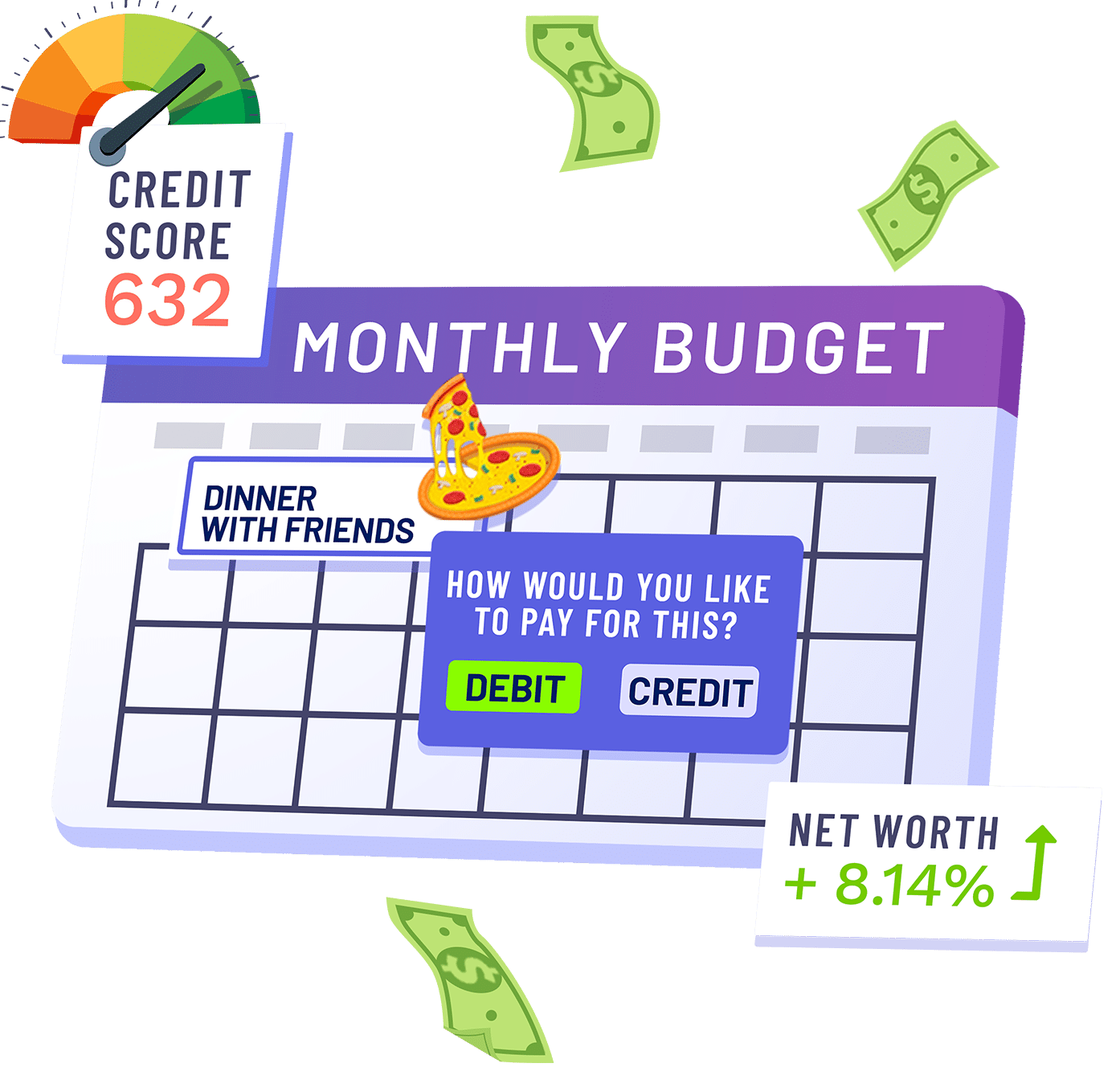
Budget Game – Core Component
Lesson – Pay Yourself First: A Simple Yet Powerful Way to Build Wealth
Lesson – The Secret to a Comfortable Retirement
Lesson – Planning Your Career Path
Lesson – A Strategy to Build Wealth, Not Debt
|
|
|
|
|
|
| Analyze ways financial responsibility is different for individuals with and without dependents. |
Lesson – The Cost of Raising a Family
|
|
|
|
|
|
| Analyze financial information for objectivity, accuracy, relevancy to given needs, and currency |
Lesson – What makes a contract valid
Lesson – How to Read an Income Statement
Lesson – How to Read a Balance Sheet
Lesson – The Cash Flow Statement Explained
Lesson – Tame Your Financial Paperwork
|
|
|
|
|
|
| Investigate current types of consumer fraud, including online scams |
Lesson – How to Avoid Identity Theft, Scams and Fraud
|
|
|
|
|
|
| Analyze consumer protection laws for the issues they address and the safeguards they provide. |
Lesson – Protect Yourself as a Consumer
|
|
|
|
|
|
| Demonstrate steps for resolving a consumer complaint. |
Lesson – Protect Yourself as a Consumer
|
|
|
|
|
|
| Set measurable short-term, medium-term, and long-term financial goals. |
Budget Game – Core Component
Lesson – Pay Yourself First: A Simple Yet Powerful Way to Build Wealth
Lesson – The Secret to a Comfortable Retirement
Lesson – Planning Your Career Path
Lesson – A Strategy to Build Wealth, Not Debt
|
|
|
|
|
|
| Evaluate the results of financial decisions. |
Stock Game – Core Component
Budget Game – Core Component
|
|
|
|
|
|
| Apply systematic decision making to long-term goals. |
Lesson – How to Prepare for Unexpected Expenses
Lesson – The Business Cycle
Lesson – Demystifying the Impact of Interest Rates
Lesson – Evaluating Big-Ticket Purchases
|
|
|
|
|
|
| Compare and contrast the benefits of sharing financial goals and personal finance information with a potential partner before forming a partnership |
Lesson – The Cost of Raising a Family
|
|
|
|
|
|
| Describe essential elements of a contract between individuals and between individuals and businesses. |
Lesson – What makes a contract valid
|
|
|
|
|
|
| Describe the actions a victim of identity theft can take to restore personal security |
Lesson – How to Avoid Identity Theft, Scams and Fraud
|
|
|
|
|
|
| Relating Income and Careers |
|
|
|
|
|
|
| Analyze ways economic, social, cultural, education and political conditions can affect income and career potential. |
Lesson – The Business Cycle
Lesson – Government Impact on the Economy
Lesson – Demystifying the Impact of Interest Rates
Lesson – Analyzing Consumer Behavior
Lesson – What Is the Product Life Cycle?
|
|
|
|
|
|
| Analyze the financial risks and benefits of entrepreneurship as a career choice |
Lesson – Starting a Business 101
Lesson – What is Entrepreneurship?
|
|
|
|
|
|
| Compare and contrast wage, gift, rent, interest, dividend, capital gain, tip, commission, and business profit as sources of personal income. |
Lesson – What is Money?
Lesson – How Debit Cards Work
Lesson – What’s in Your Compensation Package?
|
|
|
|
|
|
| Analyze the advantages and disadvantages of participation in government assistance programs. |
Lesson – The Anatomy of Unemployment
|
|
|
|
|
|
| Analyze typical employee benefits and explain why they are a form of compensation. |
Lesson – The Ultimate Employee Guide
Lesson – What’s in Your Compensation Package?
|
|
|
|
|
|
| Describe benefits of employer sponsored savings plans and other personal options for shifting current income to the future. |
Lesson – The Ultimate Employee Guide
Lesson – What’s in Your Compensation Package?
Lesson – A Strategy to Build Wealth, Not Debt
Lesson – What is Wealth?
Lesson – The Secret to a Comfortable Retirement
|
|
|
|
|
|
| Planning and Managing Money |
|
|
|
|
|
|
| Create a basic budget with categories for income, taxes, planned savings, and fixed and variable expenses. |
Budget Game – Core Component
Lesson – Pay Yourself First: A Simple Yet Powerful Way to Build Wealth
Lesson – Lesson – Break Free From Money Stress with a Budget
Lesson – Proven Techniques to Stop Overspending
|
|
|
|
|
|
| Analyze and adjust budget categories to manage spending and achieve financial goals. |
Lesson – Lesson – Break Free From Money Stress with a Budget
|
|
|
|
|
|
| Develop a personal financial plan that shows allocation of income, spending, saving, investing and sharing/giving over a year-long time span. |
Budget Game – Core Component
Lesson – Pay Yourself First: A Simple Yet Powerful Way to Build Wealth
Lesson – Lesson – Break Free From Money Stress with a Budget
Lesson – Proven Techniques to Stop Overspending
Lesson – Achieve Financial Goals with a Spending Plan
|
|
|
|
|
|
| Analyze a plan to secure funding for a financial goal (such as college, major consumer purchases, etc.). |
Lesson – How to Prepare for Unexpected Expenses
Lesson – Evaluating Big-Ticket Purchases
Lesson – How Do You Stop Impulse Purchases?
Lesson – Mortgage Options for First-Time Homebuyers
Lesson – Financing Your Education
Lesson – The Car Buying Checklist
Activity – Rent or Buy: Which is Right for You?
Activity – Find Out Your Monthly Home Budget
|
|
|
|
|
|
| Utilize a system to record income and spending for categories such as purchases, services, and taxes. |
Lesson – Pay Yourself First: A Simple Yet Powerful Way to Build Wealth
Lesson – Proven Techniques to Stop Overspending
|
|
|
|
|
|
| Demonstrate recordkeeping that utilizes digital financial management systems. |
Lesson – Receipts – Keeping and Tossing
Lesson – Balance Your Books in 10-Minutes
|
|
|
|
|
|
| Evaluate different payment methods, including cash, checks, stored-value cards, debit cards, credit cards, and electronic or online payment systems |
Lesson – What is Money?
Lesson – How Debit Cards Work
Lesson – Credit Cards: Terms, Fees, and More
Lesson – What to Do When You Need Money Fast
|
|
|
|
|
|
| Demonstrate skill in basic financial tasks (such as bill payments, check writing, reconciling checking and debit account statements, and monitoring printed and online account statements for accuracy). |
Budget Game – Core Component
|
|
|
|
|
|
| Investigate and demonstrate ability to apply for financial assistance (such as FAFSA, 21st Century Scholars, scholarships, grants, and aid from colleges and universities) for post-secondary education. |
Lesson – Financing Your Education
Lesson – Go to College or Start Working?
|
|
|
|
|
|
| Evaluate impact of external factors (such as marketing, advertising and the economy) on spending decisions. |
Lesson – Lesson – Break Free From Money Stress with a Budget
Lesson – How Do You Stop Impulse Purchases?
Lesson – Analyzing Consumer Behavior
|
|
|
|
|
|
| Justify consumer buying decisions by evaluating external factors. |
Lesson – Lesson – Break Free From Money Stress with a Budget
Lesson – How Do You Stop Impulse Purchases?
|
|
|
|
|
|
| Evaluate opportunity costs (such as owning versus renting a house, purchasing or leasing an auto). |
Activity – Rent or Buy: Which is Right for You?
Activity – Calculate Your Car Loan Payments
Lesson – The Car Buying Checklist
Lesson – What is Opportunity Cost?
|
|
|
|
|
|
| Recognize potential threats (such as identity fraud, scams, theft, phishing, spam, unethical internet practices) to sound financial decisions. |
Lesson – Knowing Your Risks and Risk Tolerances
Lesson – How to Avoid Identity Theft, Scams and Fraud
Lesson – Protect Yourself as a Consumer
Lesson – How to Prepare for Unexpected Expenses
|
|
|
|
|
|
| Demonstrate budgeting financial and other resources to make contributions to a charitable organization. |
Budget Game – Core Component
Lesson – A Guide to Effective Charitable Donations
|
|
|
|
|
|
| Contrast wills, “living wills,” trusts and other ways estates can be transferred |
Lesson – Who Gets Your Stuff When You’re Gone?
|
|
|
|
|
|
| Evaluate estate planning tools (such as pensions, retirements, social security, trusts, and annuities) |
Lesson – The Secret to a Comfortable Retirement
Lesson – A Strategy to Build Wealth, Not Debt
Lesson – What’s in Your Compensation Package?
Lesson – Life Insurance: The Ultimate Safety Net
|
|
|
|
|
|
| Managing Credit and Debt |
|
|
|
|
|
|
| Evaluate the cost of borrowing a set amount of money using various types of credit. |
Lesson – What to Do When You Need Money Fast
Lesson – How to Use Debt to Your Advantage
Activity – Calculate the True Cost of Credit Card Debt
|
|
|
|
|
|
| Explain how grace periods, methods of calculating interest, and fees affect borrowing costs. |
Lesson – Credit Cards: Terms, Fees, and More
|
|
|
|
|
|
| Apply systematic decision making to identify the most cost-effective option for making a purchase. |
Lesson – Evaluating Big-Ticket Purchases
Lesson – Pay Yourself First: A Simple Yet Powerful Way to Build Wealth
Lesson – Proven Techniques to Stop Overspending
Activity – Rent or Buy: Which is Right for You?
|
|
|
|
|
|
| Analyze the effect of positive and negative credit reports on credit worthiness. |
Lesson – What Your Credit Report Says About You
|
|
|
|
|
|
| Illustrate steps to overcome a negative credit report and improve a personal financial future. |
Lesson – What Your Credit Report Says About You
|
|
|
|
|
|
| Evaluate the effect of living beyond one’s financial resources. |
Lesson – How to Use Debt to Your Advantage
Lesson – What Is Bankruptcy?
Lesson – How Borrowers Manage Personal Debt
Lesson – Debt Relief: Is Consolidation the Answer?
Lesson – How to Negotiate With Creditors
|
|
|
|
|
|
| Analyze actions that a consumer can take to reduce or better manage excessive debt. |
Lesson – How to Use Debt to Your Advantage
Lesson – What Is Bankruptcy?
Lesson – How Borrowers Manage Personal Debt
Lesson – Debt Relief: Is Consolidation the Answer?
Lesson – How to Negotiate With Creditors
|
|
|
|
|
|
| Analyze online and printed resources for up-to-date information about consumer credit rights. |
Lesson – How Borrowers Manage Personal Debt
|
|
|
|
|
|
| Describe debtors’ and creditors’ rights related to debt that is not paid. |
Lesson – What Is Bankruptcy?
Lesson – How Borrowers Manage Personal Debt
Lesson – Debt Relief: Is Consolidation the Answer?
Lesson – How to Negotiate With Creditors
|
|
|
|
|
|
| Risk Management and Insurance |
|
|
|
|
|
|
| Describe ways people can manage risk through avoidance, reduction, retention, assumption, and transfer of risk. |
Lesson – Knowing Your Risks and Risk Tolerance
Lesson – What is Diversification and How to Spread Your Risk
|
|
|
|
|
|
| Analyze the types and amounts of coverage, and features needed, for various stages of life for health, property, life, disability, and liability insurance. |
Lesson – Life Insurance: The Ultimate Safety Net
Lesson – Why Health Insurance is So Expensive
Lesson – Car Insurance: How to Lower Your Rates
Lesson – What’s Not Covered in Renter’s Insurance?
Lesson – What Damage Does Home Insurance Cover?
|
|
|
|
|
|
| Analyze factors that can reduce or increase the amount and type of insurance coverage needed. |
Lesson – Life Insurance: The Ultimate Safety Net
Lesson – Why Health Insurance is So Expensive
Lesson – Car Insurance: How to Lower Your Rates
Lesson – What’s Not Covered in Renter’s Insurance?
Lesson – What Damage Does Home Insurance Cover?
|
|
|
|
|
|
| Analyze factors that affect cost of insurance for various types of insurance. |
Lesson – Life Insurance: The Ultimate Safety Net
Lesson – Why Health Insurance is So Expensive
Lesson – Car Insurance: How to Lower Your Rates
Lesson – What’s Not Covered in Renter’s Insurance?
Lesson – What Damage Does Home Insurance Cover?
|
|
|
|
|
|
| Saving and Investing |
|
|
|
|
|
|
| Analyze effect of saving strategies, including “pay yourself first,” payroll deduction, automatic savings options, and reflective spending practices on financial well being. |
Lesson – Pay Yourself First: A Simple Yet Powerful Way to Build Wealth
Lesson – Proven Techniques to Stop Overspending
Lesson – A Strategy to Build Wealth, Not Debt
Lesson – The Secret to a Comfortable Retirement
Lesson – What’s in Your Compensation Package?
|
|
|
|
|
|
| Compare the interest generated by simple and compound interest at various rates. |
Lesson – Demystifying the Impact of Interest Rates
Activity – Watch How Your Savings Could Grow
|
|
|
|
|
|
| Compare various investing strategies for their potential to build wealth. |
Investing101 Certification
Stock Game – Core Component
Lesson – How to Develop an Investing Strategy
Activity – Model Your Financial Future
|
|
|
|
|
|
| Analyze investment possibilities utilizing the principles of time value of money and opportunity costs. |
Lesson – Time Value of Money
Lesson – What is Opportunity Cost?
Lesson – How to Develop an Investing Strategy
Lesson – What is Diversification and How to Spread Your Risk
|
|
|
|
|
|
| Calculate the end value of lump sum and periodic investments. |
Activity – Model Your Financial Future
Activity – Watch How Your Savings Could Grow
|
|
|
|
|
|
| Analyze the characteristics (such as earnings, risks, liquidity) and benefits of various saving and investment options in the current economy. |
Lesson – The Business Cycle
Lesson – Bulding a Diversified Portfolio
Lesson – How to Develop an Investing Strategy
Lesson – Pay Yourself First: A Simple Yet Powerful Way to Build Wealth
|
|
|
|
|
|
| Analyze investment alternatives utilizing principles of inflation and other economic factors. |
Investing101 Certification
Stock Game – Core Component
Lesson – How to Develop an Investing Strategy
Lesson – What is Diversification and How to Spread Your Risk
Lesson – Inflation
Lesson – The Business Cycle
Activity – Model Your Financial Future
|
|
|
|
|
|
| Compare advantages and disadvantages of buying and selling investments through various channels, including financial advisors, investment clubs, and online brokers. |
Investing101 Certification
Stock Game – Core Component
Lesson – How to Develop an Investing Strategy
Lesson – What is Diversification and How to Spread Your Risk
Lesson – Brokerages
|
|
|
|
|
|
| Compare the investment objectives and historical rates of return of various Investment options. |
Investing101 Certification
Stock Game – Core Component
Lesson – How to Develop an Investing Strategy
Lesson – What is Diversification and How to Spread Your Risk
Lesson – Why Invest in Stocks vs. Keeping in Savings?
Lesson – A Simple Explanation of ETFs
Lesson – The Pros and Cons of Mutual Funds
Lesson – Getting Started with Bond Investing
|
|
|
|
|
|
| Analyze the rate of return on investments using time value of money and economic conditions as factors. |
Investing101 Certification
Stock Game – Core Component
Lesson – How to Develop an Investing Strategy
Lesson – What is Diversification and How to Spread Your Risk
Lesson – Time Value of Money
Activity – Model Your Financial Future
Activity – Net Present Value (NPV) Calculator
|
|
|
|
|
|
| Calculate the amount of taxes on investments and income tax-free earnings. |
Lesson – Tax Basics You Need to Know
Lesson – Income Tax Filing Tips and Tricks
|
|
|
|
|
|
| Explain how federal and state financial regulatory agencies decrease savings and investing risks. |
Lesson – Knowing Your Risks and Risk Tolerance
Lesson – Government Impact on the Economy
Lesson – Why You Should Care About the Fed
Lesson – What Is Monetary Policy?
|
|
|
|
|
|