| Goal 1: Demonstrate critical, creative, and innovative thinking. | | | | | | |
| SLO 10.1.1.1: Formulate questions to generate new ideas. | Lesson – Financial Resilience and Life Transitions | | | | | |
| SLO 10.1.1.2: Assess information and perspectives related to the thinking process. | Lesson – Financial Resilience and Life Transitions | | | | | |
| SLO 10.1.1.3: Assess patterns and connections related to critical, creative, and innovative thinking. | Lesson – Financial Resilience and Life Transitions | | | | | |
| Goal 2: Employ current and emerging technologies used in business and industry. | Activity | Long-Term Game | Comprehensive Chapter | Short Lesson | Interactive Calculator | Graded Assessment |
| SLO 10.2.1.1: Evaluate appropriate current technologies for use in business and industry. | Lesson – Financial Resilience and Life Transitions | | | | | |
| SLO 10.2.1.2: Utilize appropriate current technologies used in business and industry. | Lesson – Financial Resilience and Life Transitions | | | | | |
| SLO 10.2.1.3: Identify and use technology for specific tasks to improve productivity and efficiency. | Lesson – Competitive Advantage | | | | | |
| SLO 10.2.1.4: Assess the value of emerging trends in technology. | Lesson – Competitive Advantage
Lesson – Analyzing Consumer Behavior | | | | | |
| GLO 2.2: Demonstrate awareness of digital footprints. | Activity | Long-Term Game | Comprehensive Chapter | Short Lesson | Interactive Calculator | Graded Assessment |
| SLO 10.2.2.1: Analyze the impact of one's own digital footprint. | Lesson – How to Get Past Resume Software | | | | | |
| Goal 3: Demonstrate business communication skills. | Activity | Long-Term Game | Comprehensive Chapter | Short Lesson | Interactive Calculator | Graded Assessment |
| SLO 10.3.1.1: Define and use appropriate business language and terminology. | Lesson – GAAP – Financial Reporting and Terms | | | | | |
| SLO 10.3.1.2: Demonstrate appropriate business etiquette and protocols. | Lesson – Workplace Rights, Safety, and Equity in Canada | | | | | |
| SLO 10.3.1.3: Employ conflict resolution techniques. | Lesson – Career Readiness & Workplace Relationships | | | | | |
| SLO 10.3.1.4: Produce business documents. | Lesson – Creating Financial Statements
Lesson – How to Read an Income Statement
Lesson – How to Read a Balance Sheet
Lesson – The Cash Flow Statement Explained | | | | | |
| SLO 10.3.1.5: Present information and ideas. | N/A | | | | | |
| Goal 4: Demonstrate an understanding of ethical and legal standards. | Activity | Long-Term Game | Comprehensive Chapter | Short Lesson | Interactive Calculator | Graded Assessment |
| SLO 10.4.1.1: Differentiate between ethics and legal business practices. | Lesson – Making Ethical Business Decisions | | | | | |
| SLO 10.4.1.2: Discuss ethical business strategies. | Lesson – Making Ethical Business Decisions | | | | | |
| SLO 10.4.1.3: Discuss laws, codes, and regulations related to personal finance. | Lesson – How Canadian Taxes Impact Your Personal Finances | | | | | |
| Goal 5: Identify historical influences and emerging trends as innovative sources for business. | Activity | Long-Term Game | Comprehensive Chapter | Short Lesson | Interactive Calculator | Graded Assessment |
| SLO 10.5.1.1: Describe historical influences on the evolution of personal finance. | Lesson – What is Money?
Lesson – Why Is It Called Wall Street?
Lesson – What Is Monetary Policy?
Lesson – What is Cottage Industry | | | | | |
| GLO 5.2: Analyze emerging trends in business. | Activity | Long-Term Game | Comprehensive Chapter | Short Lesson | Interactive Calculator | Graded Assessment |
| SLO 10.5.2.1: Identify emerging trends in personal finance. | Lesson – How Canadian Taxes Impact Your Personal Finances | | | | | |
| SLO 10.5.2.2: Analyze emerging trends in personal finance. | Lesson – How Canadian Taxes Impact Your Personal Finances | | | | | |
| SLO 10.5.2.3: Predict future trends in personal finance. | Lesson – How Canadian Taxes Impact Your Personal Finances | | | | | |
| Goal 6: Demonstrate awareness of sustainability in business. | Activity | Long-Term Game | Comprehensive Chapter | Short Lesson | Interactive Calculator | Graded Assessment |
| SLO 10.6.1.1: Demonstrate human sustainability practices while considering financial and environmental sustainability. | Lesson – How a Business Can Be Socially Responsible | | | | | |
| SLO 10.6.1.2: Demonstrate sustainable environmental practices while considering human and financial sustainability. | Lesson – How a Business Can Be Socially Responsible | | | | | |
| SLO 10.6.1.3: Demonstrate sustainable financial practices while considering human and environmental sustainability. | Lesson – How a Business Can Be Socially Responsible | | | | | |
| Goal 7: Demonstrate an understanding of the impact culture and diversity have on business. | Activity | Long-Term Game | Comprehensive Chapter | Short Lesson | Interactive Calculator | Graded Assessment |
| SLO 10.7.1.1: Reflect on how culture impacts business decisions, which may include short- and long-term goals; values; lifestyle; family structure; demographics. | Lesson – Financial Resilience and Life Transitions | | | | | |
| SLO 10.7.1.2: Examine First Nations, Métis, and Inuit perspectives and how they relate to business. | Lesson – How Canadian Taxes Impact Your Personal Finances | | | | | |
| Goal 8: Describe and demonstrate employability skills. | Activity | Long-Term Game | Comprehensive Chapter | Short Lesson | Interactive Calculator | Graded Assessment |
| SLO 10.8.1.1: Demonstrate an ability to read and write text, use documents, work with numbers, communicate orally, use technology, learn continuously, and think critically. | N/A | | | | | |
| SLO 10.8.1.2: Demonstrate positive attitude and behaviours, responsibility, adaptability, and safe work practices. | N/A | | | | | |
| SLO 10.8.1.3: Demonstrate time management and punctuality. | N/A | | | | | |
| SLO 10.8.1.4: Demonstrate the ability to work with others and participate in projects and tasks. | N/A | | | | | |
| Goal 9: Explore education and career opportunities. | Activity | Long-Term Game | Comprehensive Chapter | Short Lesson | Interactive Calculator | Graded Assessment |
| SLO 10.9.1.1: Explore education and career opportunities related to personal finance. | Activity – Student Loan Repayment Calculator
Lesson – Paying for Post-Secondary Education in Canada
Lesson – Planning Your Career Path
Lesson – Go to College or Start Working?
Lesson – Starting a Business 101 | | | | | |
| Goal 10: Analyze the role of business in society. | Activity | Long-Term Game | Comprehensive Chapter | Short Lesson | Interactive Calculator | Graded Assessment |
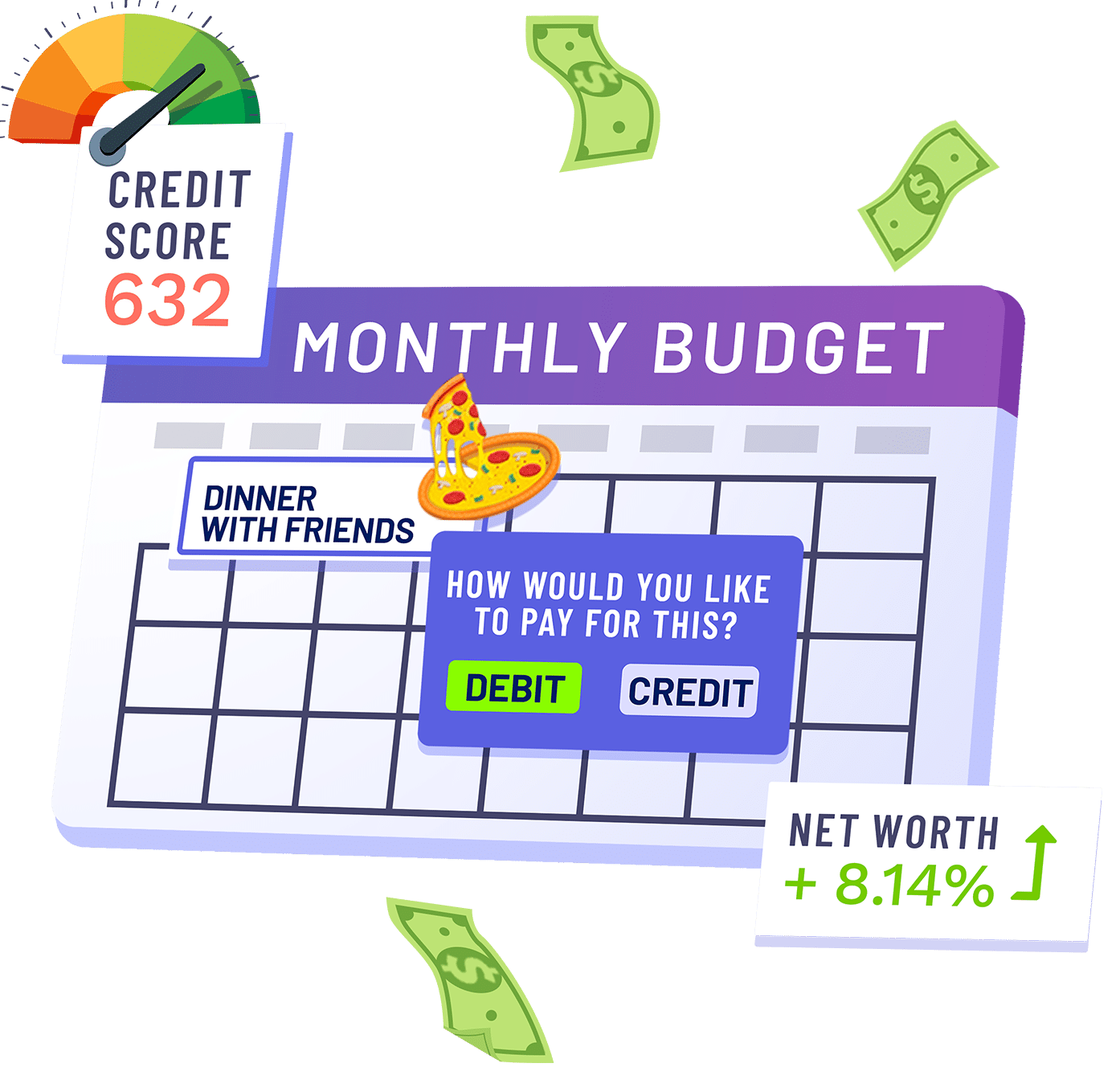
| SLO 10.10.1.1: Analyze the role of personal finance. | Budget Game – Core Component
Lesson – Break Free From Money Stress with a Budget | | | | | |
| GLO 11.1: Demonstrate an understanding of decision making and goal setting. | Activity | Long-Term Game | Comprehensive Chapter | Short Lesson | Interactive Calculator | Graded Assessment |
| SLO 10.11.1.1: Identify factors that influence decision making, which may include goals; media; values; family; friends. | Lesson – Achieve Financial Goals with a Spending Plan
Lesson – How Do You Stop Impulse Purchases?
Lesson – Financial Resilience and Life Transitions | | | | | |
| SLO 10.11.1.2: Employ a decision-making process. | Budget Game – Core Component | | | | | |
| SLO 10.11.1.3: Identify opportunity cost. | Budget Game – Core Component
Lesson – What is Opportunity Cost? | | | | | |
| SLO 10.11.1.4: Identify short- and long-term goals related to financial well-being, which may include career and education; life; future purchases; wealth. | Budget Game – Core Component
Lesson – #1 Rule for Building Wealth in Canada
Lesson – Planning Your Career Path
Lesson – A Strategy to Build Wealth, Not Debt
Lesson – Evaluating Big-Ticket Purchases
Lesson – A Guide to Retiring in Canada | | | | | |
| GLO 11.2: Demonstrate an understanding of how the economy impacts personal finance. | Activity | Long-Term Game | Comprehensive Chapter | Short Lesson | Interactive Calculator | Graded Assessment |
| SLO 10.11.2.1: Compare and contrast types of economic systems, which may include capitalism (market); communism (command); mixed economies; traditional economies; socialism. | Lesson – Comparative Economic Systems – Capitalism, Socialism, and Communism | | | | | |
| SLO 10.11.2.2: Identify the sectors and their function in the economy which may include government; Bank of Canada; household (private); business; financial institutions; global markets; global investors. | Lesson – Canadian Banking Essentials | | | | | |
| SLO 10.11.2.3: Identify factors that affect the economy, which may include supply and demand; political policy; legal considerations; price elasticity; injections; leakages. | Lesson – What is Supply?
Lesson – What is Demand?
Lesson – What Does Fiscal Policy Mean?
Lesson – What Are Property Rights? | | | | | |
| SLO 10.11.2.4: Identify the impact of each stage of the economic life cycle, which may include recession; depression; prosperity; contraction. | Lesson – The Business Cycle | | | | | |
| SLO 10.11.2.5: Analyze how domestic and foreign economies affect financial decisions. | Lesson – How Global Trade Shapes Our Economy
Lesson – Government Impact on the Economy
Lesson – What is Economic Growth? | | | | | |
| GLO 11.3: Develop an understanding of financial institutions. | Activity | Long-Term Game | Comprehensive Chapter | Short Lesson | Interactive Calculator | Graded Assessment |
| SLO 10.11.3.1: Compare and contrast types of financial institutions, which may include banks; credit unions and caisse populaires; trust companies; lending agencies. | Lesson – Canadian Banking Essentials | | | | | |
| SLO 10.11.3.2: Compare and contrast account types, which may include chequing; savings; premium; foreign currency. | Lesson – Canadian Banking Essentials | | | | | |
| SLO 10.11.3.3: Identify the importance of monitoring bank account activities, which may include debits and credits; errors; deposits and withdrawals; interest earned and charged. | Lesson – Balance Your Books in 10-Minutes | | | | | |
| SLO 10.11.3.4: Demonstrate an understanding of financial institution terms, which may include electronic transfers; overdrafts; deposits; withdrawals; fees; NSF; certified cheques and bank drafts; cheque; debit cards; safety deposit boxes; currency exchange. | Lesson – Canadian Banking Essentials | | | | | |
| SLO 10.11.3.5: Identify the risks of financial services, which may include cash advances; cheque cashing outlets; loan services; financing plans. | Lesson – Canadian Banking Essentials | | | | | |
| SLO 10.11.3.6: Demonstrate the ability to track all personal financial transactions (debit cards, credit cards, cheques, transfers). | Budget Game – Core Component | | | | | |
| SLO 10.11.3.7: Demonstrate the ability to reconcile personal financial records with a financial institution or a lender's records. | Budget Game – Core Component
Lesson – Balance Your Books in 10-Minutes | | | | | |
| GLO 11.4: Demonstrate an understanding of money management. | Activity | Long-Term Game | Comprehensive Chapter | Short Lesson | Interactive Calculator | Graded Assessment |
| SLO 10.11.4.1: Identify needs and wants. | Budget Game – Core Component
Lesson – Achieve Financial Goals with a Spending Plan | | | | | |
| SLO 10.11.4.2: Identify ways to receive money, which may include employment income; self-employment; investment income; inheritance. | Budget Game – Core Component
Lesson – Break Free From Money Stress with a Budget
Lesson – Achieve Financial Goals with a Spending Plan | | | | | |
| SLO 10.11.4.3: Calculate and explain ways to receive remuneration for employment, which may include wages; salary; commission; contract work; piece work. | Budget Game – Core Component
Lesson – What's in Your Compensation Package?
Lesson – The Basics of Filing Taxes in Canada | | | | | |
| SLO 10.11.4.4: Calculate and explain remuneration terms, which may include gross income; mandatory deductions; voluntary deductions; net income. | Budget Game – Core Component
Lesson – What's in Your Compensation Package?
Lesson – The Basics of Filing Taxes in Canada | | | | | |
| SLO 10.11.4.5: Compare and contrast personal expenses (fixed and variable) and savings. | Budget Game – Core Component
Lesson – Achieve Financial Goals with a Spending Plan | | | | | |
| SLO 10.11.4.6: Compare and contrast various forms of savings, which may include savings account; emergency funds; long-term savings. | Budget Game – Core Component
Lesson – #1 Rule for Building Wealth in Canada
Lesson – What is Wealth? | | | | | |
| SLO 10.11.4.7: Prepare and analyze a personal budget. | Budget Game – Core Component
Lesson – Break Free From Money Stress with a Budget | | | | | |
| SLO 10.11.4.8: Develop a personal financial management philosophy, which may include short- and long-term goals; values; lifestyle; family and culture. | Lesson – Financial Resilience and Life Transitions | | | | | |
| GLO 11.5: Demonstrate an understanding of debt and credit management. | Activity | Long-Term Game | Comprehensive Chapter | Short Lesson | Interactive Calculator | Graded Assessment |
| SLO 10.11.5.1: Identify strategies to manage debt. | Budget Game – Core Component
Lesson – A Beginner's Guide to Borrowing Wisely
Lesson – Credit Cards: Terms, Fees, and More
Lesson – Your Canadian Credit Report | | | | | |
| SLO 10.11.5.2: Identify advantages and disadvantages of using credit. | Budget Game – Core Component
Lesson – A Beginner's Guide to Borrowing Wisely
Lesson – Credit Cards: Terms, Fees, and More
Lesson – Your Canadian Credit Report | | | | | |
| SLO 10.11.5.3: Identify means of obtaining credit, which may include mortgages; long-term loans; short-term loans; credit cards; lines of credit. | Budget Game – Core Component
Lesson – A Beginner's Guide to Borrowing Wisely
Lesson – Credit Cards: Terms, Fees, and More
Lesson – Your Canadian Credit Report | | | | | |
| SLO 10.11.5.4: Identify lender's and borrower's rights and responsibilities related to credit. | Lesson – Credit Cards: Terms, Fees, and More
Lesson – Your Canadian Credit Report | | | | | |
| SLO 10.11.5.5: Explain the value of a good credit rating. | Budget Game – Core Component
Lesson – Your Canadian Credit Report | | | | | |
| SLO 10.11.5.6: Compare and contrast credit options and costs, which may include interest; fees; loyalty programs. | Budget Game – Core Component
Lesson – A Beginner's Guide to Borrowing Wisely
Lesson – Credit Cards: Terms, Fees, and More | | | | | |
| SLO 10.11.5.7: Demonstrate the ability to interpret lending statements. | Budget Game – Core Component
Lesson – A Beginner's Guide to Borrowing Wisely
Lesson – Credit Cards: Terms, Fees, and More
Lesson – Your Canadian Credit Report | | | | | |
| GLO 11.6: Demonstrate an understanding of the importance of safeguarding personal finances. | Activity | Long-Term Game | Comprehensive Chapter | Short Lesson | Interactive Calculator | Graded Assessment |
| SLO 10.11.6.1: Research and identify strategies to prevent identity theft. | Lesson – How to Spot a Scam in Canada | | | | | |
| SLO 10.11.6.2: Research and identify strategies to prevent financial scams. | Lesson – How to Spot a Scam in Canada | | | | | |
| SLO 10.11.6.3: Research and demonstrate an understanding of security features of currency and counterfeit detection. | Lesson – Canadian Banking Essentials | | | | | |
| GLO 11.7: Demonstrate an understanding of saving and investing. | Activity | Long-Term Game | Comprehensive Chapter | Short Lesson | Interactive Calculator | Graded Assessment |
| SLO 10.11.7.1: Compare and contrast saving and investing. | Stock Game – Core Component
Budget Game – Core Component
Lesson – Why Invest in Stocks vs. Keeping in Savings?
Activity – Model Your Financial Future | | | | | |
| SLO 10.11.7.2: Compare and contrast types of saving and investing tools, which may include savings account; TFSA; GIC; RSP; RESP; mutual funds; stock market; real estate; memorabilia. | Stock Game – Core Component
Lesson – How to Develop an Investing Strategy
Lesson – What is Diversification & How to Spread Your Risk
Lesson – A Guide to Retiring in Canada | | | | | |
| SLO 10.11.7.3: Identify the costs associated with various forms of savings and investing tools. | Stock Game – Core Component
Lesson – How to Develop an Investing Strategy
Lesson – What is Diversification & How to Spread Your Risk
Lesson – The Pros and Cons of Mutual Funds
Lesson – A Beginner’s Guide to Investing in Stocks | | | | | |
| SLO 10.11.7.4: Distinguish between assets that appreciate and those that depreciate in value and their investment potential. | Stock Game – Core Component
Lesson – How to Develop an Investing Strategy
Lesson – What is Diversification & How to Spread Your Risk
Lesson – How to Use Debt to Your Advantage
Investing101 Course – Chapter 1 (Introduction to Investing) | | | | | |
| SLO 10.11.7.5: Analyze the relationship between risk and return. | Stock Game – Core Component
Lesson – How to Develop an Investing Strategy
Lesson – What is Diversification & How to Spread Your Risk
Lesson – Why Invest in Stocks vs. Keeping in Savings? | | | | | |
| SLO 10.11.7.6: Calculate simple and compound interest. | Lesson – The Magic of Compound Interest
Activity – Watch How Your Savings Could Grow | | | | | |
| SLO 10.11.7.7: Identify factors that affect investment philosophies. | Stock Game – Core Component
Lesson – How to Develop an Investing Strategy
Lesson – What is Diversification & How to Spread Your Risk
Lesson – Knowing Your Risks & Risk Tolerance | | | | | |
| SLO 10.11.7.8: Develop a personal savings and/or investment plan to reach a savings goal. | Stock Game – Core Component
Lesson – How to Develop an Investing Strategy
Lesson – What is Diversification & How to Spread Your Risk
Lesson – The Pros and Cons of Mutual Funds
Lesson – A Beginner’s Guide to Investing in Stocks | | | | | |
| GLO 11.8: Demonstrate an understanding of taxes and insurance. | Activity | Long-Term Game | Comprehensive Chapter | Short Lesson | Interactive Calculator | Graded Assessment |
| SLO 10.11.8.1: Explain why Canadians pay taxes to various types of government. | Lesson – The Basics of Filing Taxes in Canada | | | | | |
| SLO 10.11.8.2: Prepare a personal income tax return. | Lesson – How Canadian Taxes Impact Your Personal Finances | | | | | |
| SLO 10.11.8.3: Understand the purpose of insurance. | Lesson – Insurance Basics Everyone Should Know | | | | | |
| SLO 10.11.8.4: Compare and contrast various types of insurance, which may include vehicle; home and contents; life; liability. | Lesson – Insurance Basics Everyone Should Know
Activity – Auto Insurance Quote Builder
Activity – Property Insurance Quote Builder | | | | | |
| GLO 11.9: Develop an understanding of consumer perspectives. | Activity | Long-Term Game | Comprehensive Chapter | Short Lesson | Interactive Calculator | Graded Assessment |
| SLO 10.11.9.1: Develop an awareness of business strategies and how they affect one's own consumer behaviour. | Lesson – Analyzing Consumer Behavior | | | | | |
| SLO 10.11.9.2: Identify additional costs associated with making purchases, which may include taxes; tips; warranty; payment fees. | Budget Game – Core Component
Lesson – Protect Yourself as a Consumer
Lesson – How Do You Stop Impulse Purchases? | | | | | |
| SLO 10.11.9.3: Evaluate the advantages and disadvantages of purchasing options, which may include buying; renting; leasing; rent to own; financing plans. | Budget Game – Core Component
Lesson – Protect Yourself as a Consumer
Lesson – How Do You Stop Impulse Purchases?
Lesson – Should You Rent or Should You Buy?
Lesson – The Car Buying Checklist | | | | | |
| SLO 10.11.9.4: Identify money saving strategies, which may include comparison shopping; discounts; emergency funds; purchasing power. | Budget Game – Core Component
Lesson – Protect Yourself as a Consumer
Lesson – How Do You Stop Impulse Purchases? | | | | | |