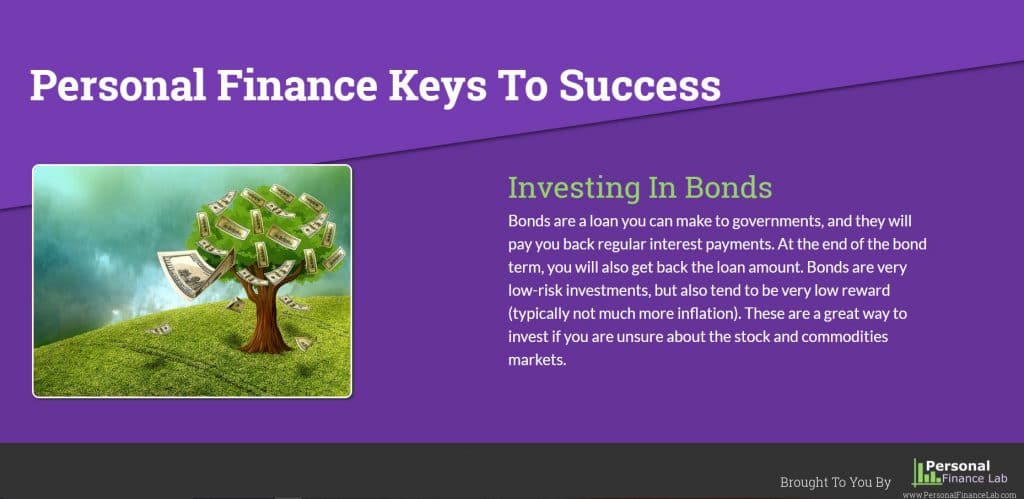
Bonds are a loan you can make to governments, and they will pay you back regular interest payments. At the end of the bond term, you will also get back the loan amount.

Bonds are very low-risk investments, but also tend to be very low reward (typically not much more inflation). These are a great way to invest if you are unsure about the stock and commodities markets.

Exchange Traded Funds (or ETFs) are investment funds with a lot in common with mutual funds. Instead of being managed by a professional Fund Manager, ETFs are designed to replicate the movement of some other index, such as the S&P 500, or follow the price of oil. These can be used both to diversify a portfolio and to invest in things like commodities, which do not normally trade on the stock exchange.

ETFs are a good way to invest in a broad range of investments all at once, such as broadly investing in Biotech stocks. They can also be used to “Go Short” on a broad index, or even use a Leveraged ETF to double the gains (or losses) of whatever it is tracking!

If you want to diversify but don’t know where to start, the answer might be mutual funds!

Mutual funds are professionally-managed investment funds that you can invest in. Once you invest, a professional Fund Manager will use your money across a wide range of vehicles, which can include stocks, bonds, currencies, commodities, and more. Each mutual fund has its own investment goals and guidelines (and different balances between risk and reward).

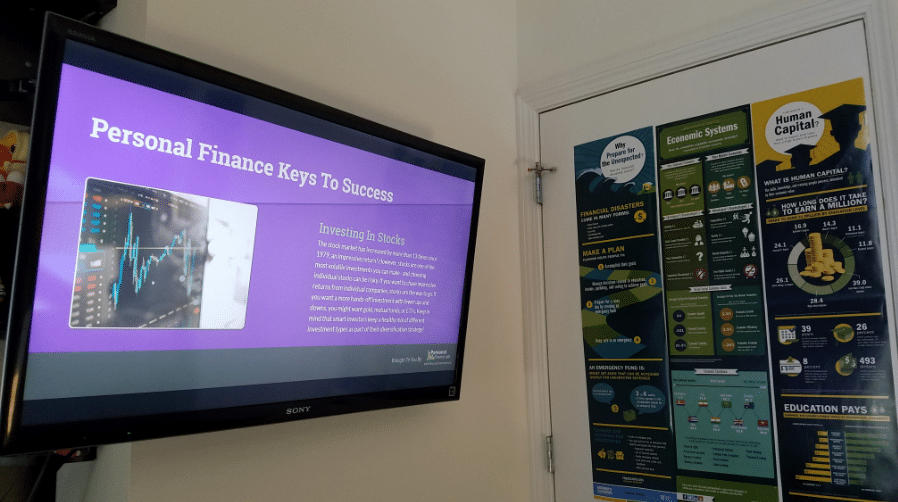
The stock market has increased by more than 13 times since 1979, an impressive return! However, stocks are one of the most volatile investments you can make – and choosing individual stocks can be risky.

If you want to chase impressive returns from individual companies, stocks are the way to go. If you want a more hands-off investment with fewer ups and downs, you might want gold, mutual funds, or ETFs.

Keep in mind that smart investors keep a healthy mix of different investment types as part of their diversification strategy!

The price of Gold generally goes up when the markets go down, as investors think it will hold its value if stocks start to fall.

Since 1979, the S&P 500 grew 13 times faster than the price of Gold. However, during the last market crash, Gold almost doubled its price (from its lowest to highest points), while the S&P 500 lost half of its value (from the highest to its lowest point).

If you are worried about a stock crash, gold might be a good place to invest. If you think the stock market is strong, stick to stocks, mutual funds, and ETFs!

The first step to starting a budget is to understand how you spend your money NOW.

For the next month, write down absolutely everything you spend your money on – from school lunches to cups of coffee to clothes, and everything in between!

At the end of the month, take a look at all your spending, and try to categorize it (Food, Clothing, Transportation, ect). This will let you see what you are spending now. Now you can decide if you are happy with your current spending, or if you want to set different goals for next month!

A “Spending Plan” is similar to a budget, but a bit easier to manage and follow. With a spending plan, you will not try to allocate every dollar of your income to either saving or spending, but set a general guide on how much you usually spend for different things.

By setting aside your savings before even looking at your other expenses, most people find it much simpler to stay under budget!

If you have income and expenses, you need a budget! Budgets are living tools that you can use to visualize how much you spend every month, and are essential to setting and meeting your savings goals.

Long Stock

What is a long stock?

A long stock is an expression used when you own shares of a company. It represents a claim on the company’s assets and earnings. As you increase your holdings of a stock, your ownership stake in the company increases. Words such as “shares”, “equity” and “stock” all mean the same thing. In the world of trading, being long on a stock means that you currently purchased shares of a company and have it part of your open positions.

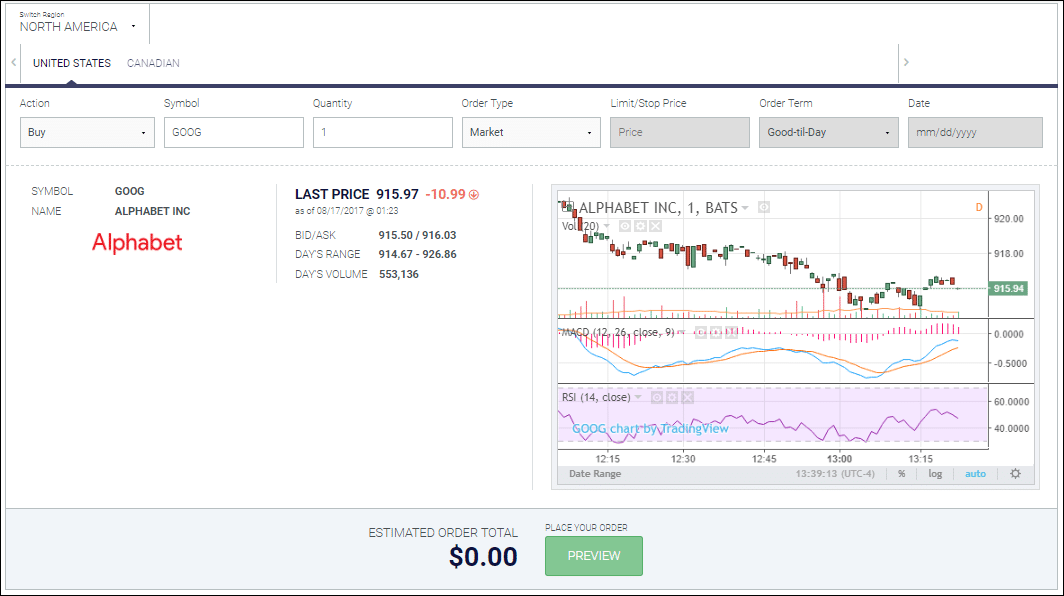
What are its components? Can you show me how to long a stock on a trading platform?

The components of a long stock are quite simple. You simply need to perform a buy order to open a long position on a stock:

When and why should I have a long stock?

            You should have a long stock when you expect the stock price to go up. In other words, you have a bullish position on the security.

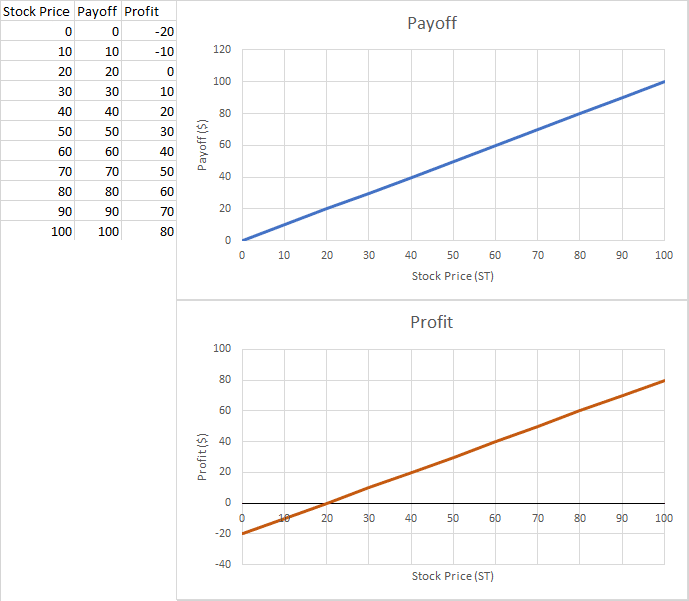
What does it look like graphically? What is the payoff and profit graph?


Short Stock

What is a short stock?

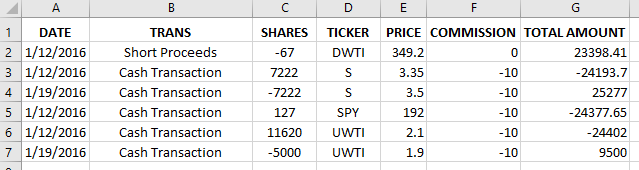
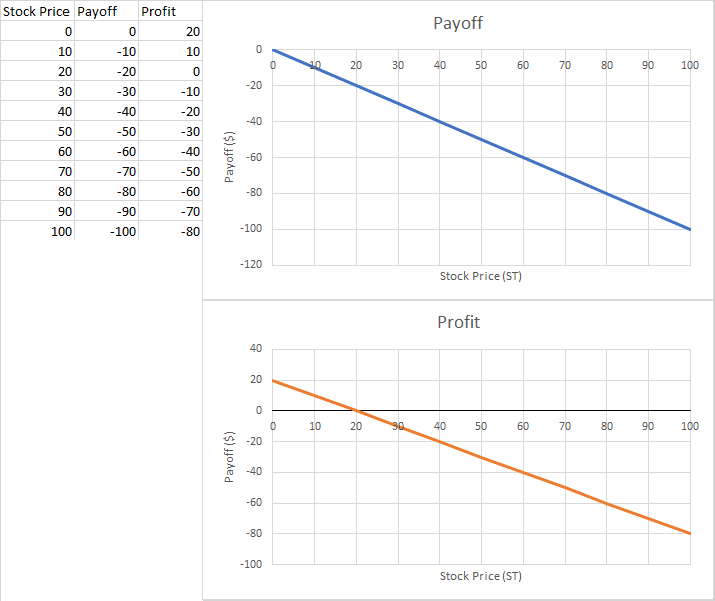
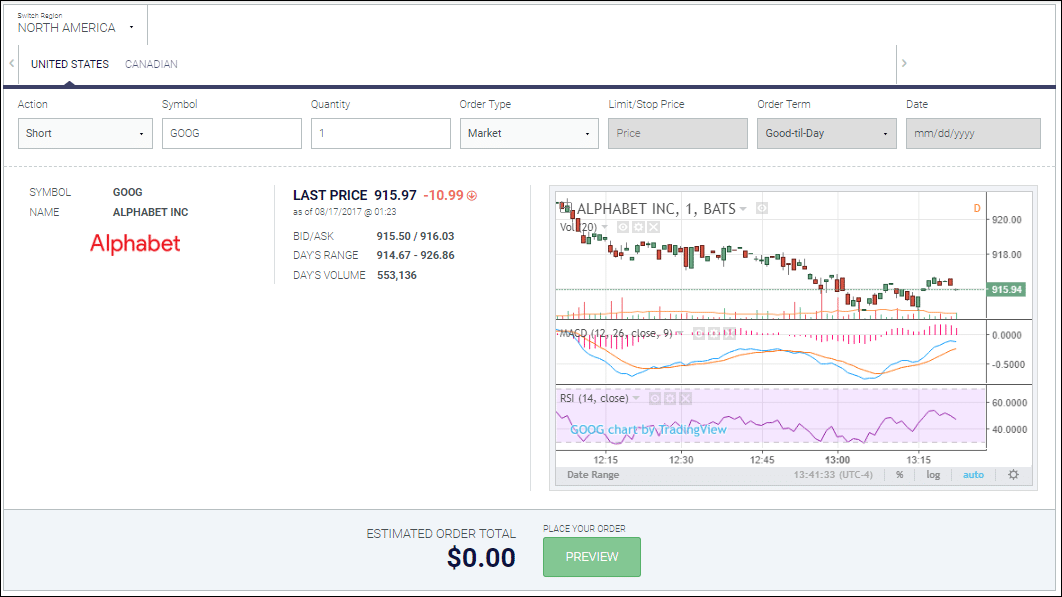
A short stock is an expression used when you sold shares of a company that you did not own beforehand. Let’s say you expect a stock’s price to drop. Shorting a stock would involve a strategy where you borrow shares from another party (usually a broker) and sell it on the market. Borrowing from a third party implies that you will have margin requirements, which is cash set aside for the borrower’s protection on the asset. You would close this position by buying back the quantity of shares at a lower price, return the shares to the broker and pocket the difference as a gain (or a loss, if you purchased the stock at a higher price). Words such as “shares”, “equity” and “stock” all mean the same thing.

In the world of trading, being short on a stock means that you currently sold shares of a company and have a negative number of shares in your open positions. You would eventually bring back this number to zero by covering (buying back) these shares in the future.

What are its components? Can you show me how to short a stock?

The components of a short stock are quite simple. You simply need to perform a short sell order to open a short position on a stock:

When and why should I have a short stock?

            You should short sell a stock when you expect the stock price to go down. In other words, you have a bearish position on the security.

What does it look like graphically? What is the payoff and profit graph?


Schedule a call

Get PersonalFinanceLab

This lesson is part of the PersonalFinanceLab curriculum library. Schools with a PersonalFinanceLab.com site license can get this lesson, plus our full library of 300 others, along with our budgeting game, stock game, and automatically-graded assessments for their classroom - complete with LMS integration and rostering support!

Learn More

[qsm quiz=188]


Schedule a call

Get PersonalFinanceLab

This lesson is part of the PersonalFinanceLab curriculum library. Schools with a PersonalFinanceLab.com site license can get this lesson, plus our full library of 300 others, along with our budgeting game, stock game, and automatically-graded assessments for their classroom - complete with LMS integration and rostering support!

Learn More

[qsm quiz=187]


Schedule a call

Get PersonalFinanceLab

This lesson is part of the PersonalFinanceLab curriculum library. Schools with a PersonalFinanceLab.com site license can get this lesson, plus our full library of 300 others, along with our budgeting game, stock game, and automatically-graded assessments for their classroom - complete with LMS integration and rostering support!

Learn More

[qsm quiz=186]


Schedule a call

Get PersonalFinanceLab

This lesson is part of the PersonalFinanceLab curriculum library. Schools with a PersonalFinanceLab.com site license can get this lesson, plus our full library of 300 others, along with our budgeting game, stock game, and automatically-graded assessments for their classroom - complete with LMS integration and rostering support!

Learn More

[qsm quiz=185]


Schedule a call

Get PersonalFinanceLab

This lesson is part of the PersonalFinanceLab curriculum library. Schools with a PersonalFinanceLab.com site license can get this lesson, plus our full library of 300 others, along with our budgeting game, stock game, and automatically-graded assessments for their classroom - complete with LMS integration and rostering support!

Learn More

[qsm quiz=184]


Schedule a call

Get PersonalFinanceLab

This lesson is part of the PersonalFinanceLab curriculum library. Schools with a PersonalFinanceLab.com site license can get this lesson, plus our full library of 300 others, along with our budgeting game, stock game, and automatically-graded assessments for their classroom - complete with LMS integration and rostering support!

Learn More

[qsm quiz=183]

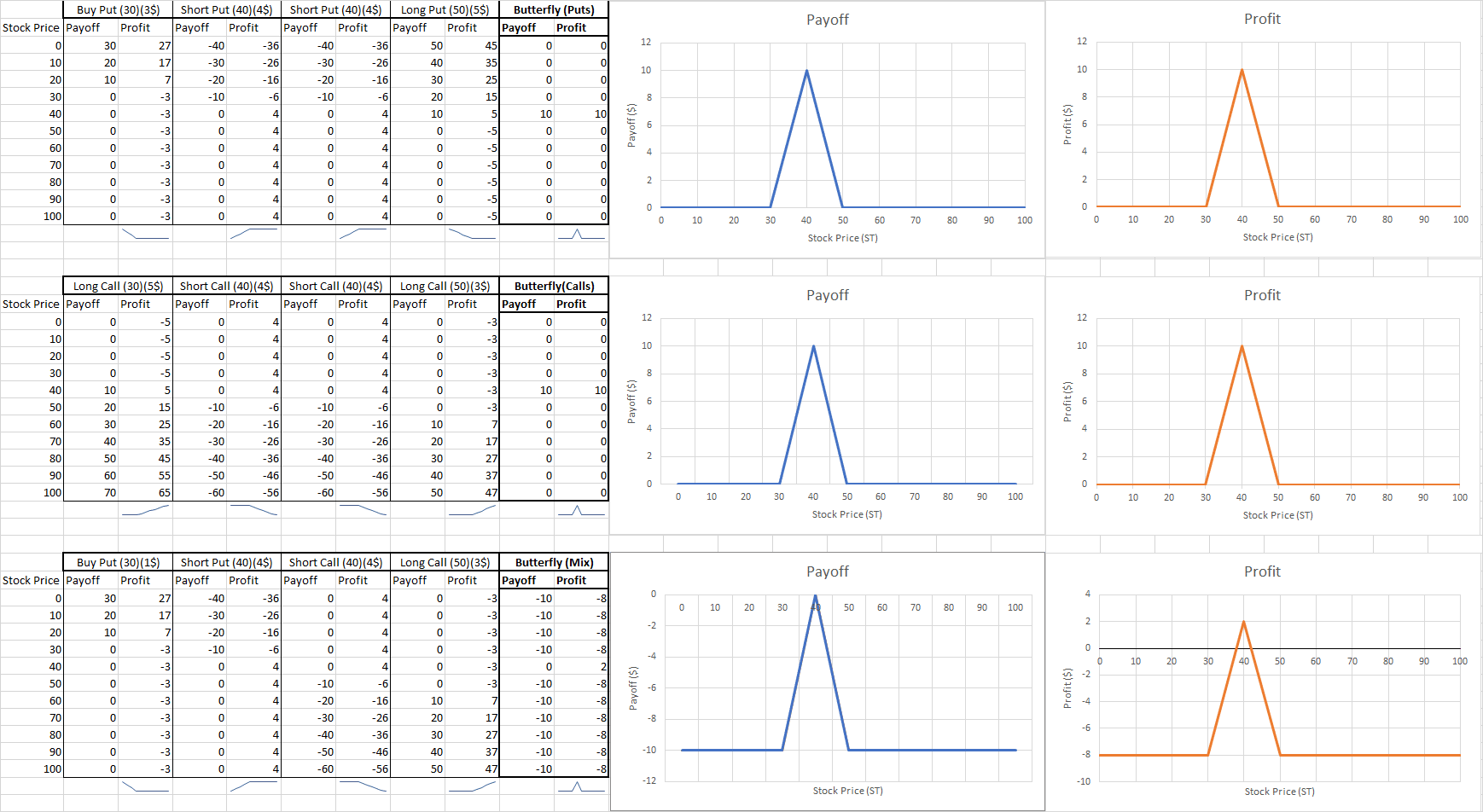
A butterfly is a volatility bet that the trader can implement to protect against large fluctuations, or to gain on volatility. You will notice that a butterfly is almost like a straddle, with a difference in the edges. The traders can add additional contracts to his/her strategy to reduce the risk of large losses or gains for more protection.  A butterfly can be executed in different ways: with puts only, calls only, or a mix of both.

What are its components?

A long butterfly can be created in three ways:

  • Butterfly with puts only
    • Buy Put at strike price 1
    • 2 x Sell Put at strike price 2
    • Buy Put at strike price 3
  • Butterfly with calls only
    • Buy Call at strike price 1
    • 2 x Sell Call at the strike price 2
    • Buy Call at strike price 3
  • Butterfly with puts and calls
    • Buy Put at strike price 1
    • Sell Put at strike price 2
    • Sell Call at strike price 2
    • Buy Call at strike price 3
  • (*A short butterfly can be created by implementing the reverse strategies above)

When and why should I have a butterfly?

You should have a butterfly if you expect to see a lot of fluctuation in the underlying asset’s price. Creating a butterfly does not infer that you have a specific view on the stock. It simply implies that the trader expects a lot of volatility and executed a strategy to gain something from it. You can create a short butterfly if you do not expect any fluctuations.

What does it look like graphically? What is the payoff and profit graph?

What is the break-even point?

The break-even point of a butterfly can be defined by finding the stock price where the butterfly generates a zero-dollar profit. By adding all contracts and equating it to zero, you should solve for ST. However, there is a possibility where a region of stock prices can break-even. To find this region, you should create scenarios to define the payoffs. For example, the payoff when ST<30, 30<ST<40, 40<ST<50 and 50<ST.

A strangle is a volatility bet where you simultaneously long a call at Strike Price 2 and long a put at Strike Price 1. You will notice that the difference with a straddle is the difference strike price for the long call. By buying a call with a higher strike price, you are buying a cheaper call, thus reducing the transaction costs.

A strangle has payoff/profit that is somewhat similar to a straddle. The difference resides that there is a region between strike price 1 and strike price 2 where the payoff/profit is stable. Traders can also bet again volatility by shorting a call at Strike Price 2 and selling a put at Strike Price 1.

What are its components?

A long straddle has two components:

  • Long put at strike price 1
  • Long call at strike price 2

*(A short straddle can be created by shorting a call at strike price 2 and shorting a put at strike price 1)

When and why should I have a strangle?

You should have a strangle if you expect to see a lot of fluctuation in the underlying asset’s price. Creating a strangle does not infer that you have a specific view on the stock. It simply implies that the trader expects a lot of volatility and executed a strategy to gain something from it.

What is the payoff and profit graph?

What is the break-even point?

The break-even point of a strangle can be defined by finding the stock price where the strangle generates a zero-dollar profit. By adding all contracts and equating it to zero, you should solve for ST. However, there is a possibility where a region of stock prices can break-even. To find those two points, you should create scenarios to define the payoffs. For example, the payoff when ST<40, 40<ST<50 and 50<ST.

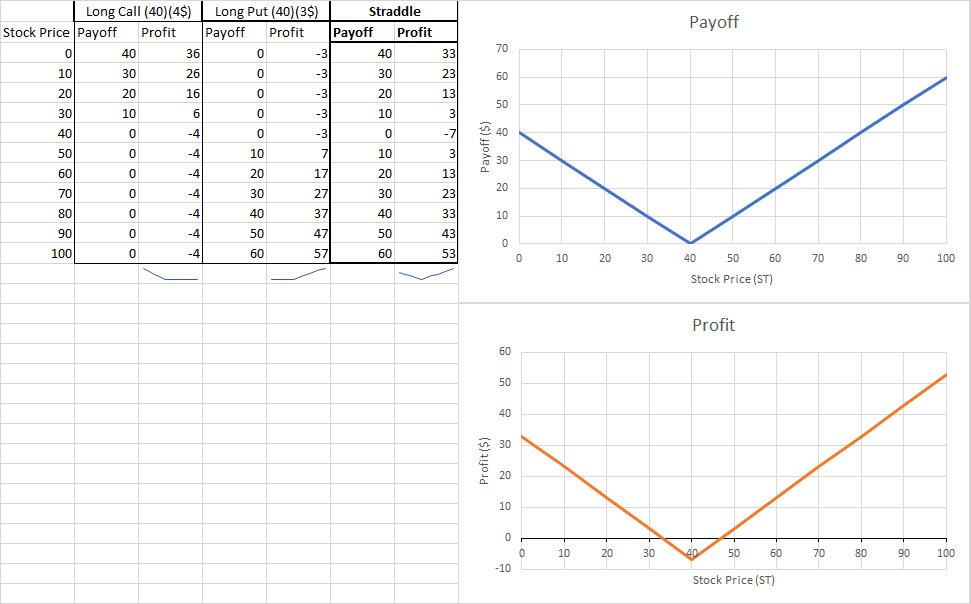
A straddle is a volatility bet where you simultaneously long a call at Strike Price 1 and long a put at Strike Price 1. This creates a triangular shaped payoff and profit graph where the reward is based on the volatility of the stock. Traders can also bet against volatility by shorting a call at Strike Price 1 and selling a put at Strike Price 1.

What are its components?

A long straddle has two components:

  • Long put at strike price 1
  • Long call at strike price 1

*(A short straddle can be created by short both the call and put at strike price 1)

When and why should I have a straddle?

You should have a straddle if you expect to see a lot of fluctuation in the underlying asset’s price. Creating a straddle does not infer that you have a specific view on the stock. It simply implies that the trader expects a lot of volatility and executed a strategy to gain something from it.

What is the payoff and profit graph?

What is the break-even point?

The break-even point of a straddle can be defined by finding the stock price where the straddle generates a zero-dollar profit. By adding all contracts and equating it to zero, you should solve for ST. However, there is a possibility where there are two stock prices that can break-even. To find those two points, you should create scenarios to define the payoffs. For example, the payoff when ST<40 and 40<ST.

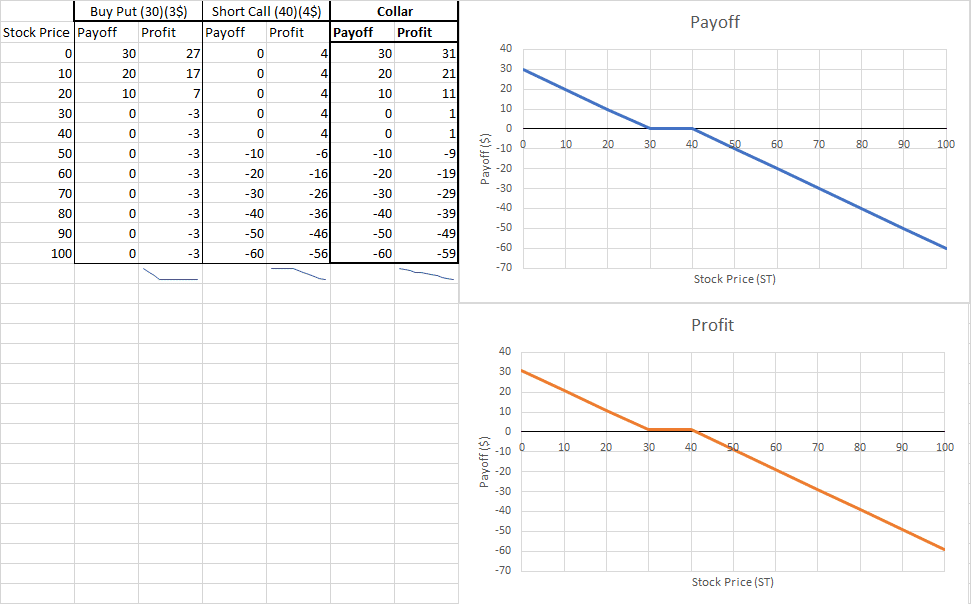
A bullish collar is a protection strategy where you simultaneously buy a call at strike price 1 and sell a put at strike price 2. This strategy is for investors who has a bullish perception on the underlying asset. We can also create a “bearish” collar by simultaneously buying a put at strike price 1 and selling a call at strike price 2.

What are its components?

A “bearish collar” has two components:

  • Buy put at strike price 1
  • Short call at strike price 2

A “bullish collar” has two components:

  • Buy call at strike price 1
  • Short put at strike price 2

When and why should I have a collar?

You should have a collar if you strongly believe that the stock price will either be bullish or bearish. Graphically, a collar looks like a stock’s graphs, but with a width where the payoff is stable. By shorting the second option contract, you are covering your options costs for the first option contract. However, should the price go in the opposite direction, you will have a large loss.

What is the payoff and profit graph?


What is the break-even point?

The break-even point of a collar spread can be defined by finding the stock price where the spread generates a zero-dollar profit. By adding all contracts and equating it to zero, you should solve for ST. However, there is a possibility where there is a range of stock prices that can break-even. To find that range, you should create scenarios to define the payoffs. For example, the payoff when ST<30, 30<ST<40, 40<ST.

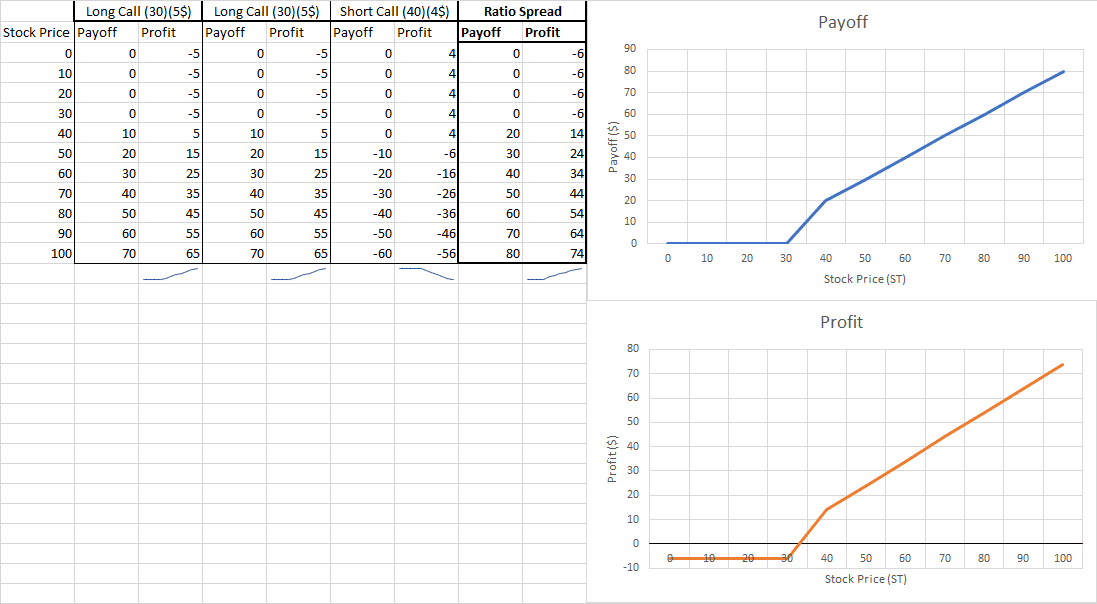
A ratio is an option strategy that is created by having X amount of call options at Strike Price 1 and shorting Y amount of call options at Strike Price 2. By creating a ratio, you are creating an option strategy where you can reduce your total option costs by shorting more call options are a higher strike price.

What are its components?

A ratio strategy has four components:

  • X amount of long call options
  • Y amount of short call options

When and why should I have a ratio strategy?

You should have a ratio strategy if you have a bullish view on the performance of the underlying asset. By shorting Y amount of call options, you are consistently reducing your option costs and eventually creating a zero-cost strategy. The ratio can be adjusted based on the investor’s perception of asset. The same concept can be applied with puts.

What is the payoff and profit graph?

What is the break-even point?

The break-even point of a ratio strategy can be defined by finding the stock price where the bear spread generates a zero-dollar profit. By adding all contracts and equating it to zero, you should solve for ST. There is a possibility where two stock prices can break-even. To find both points, you should create scenarios to define the payoffs. For example, the payoff when ST<30, 30<ST<40, 40<ST.

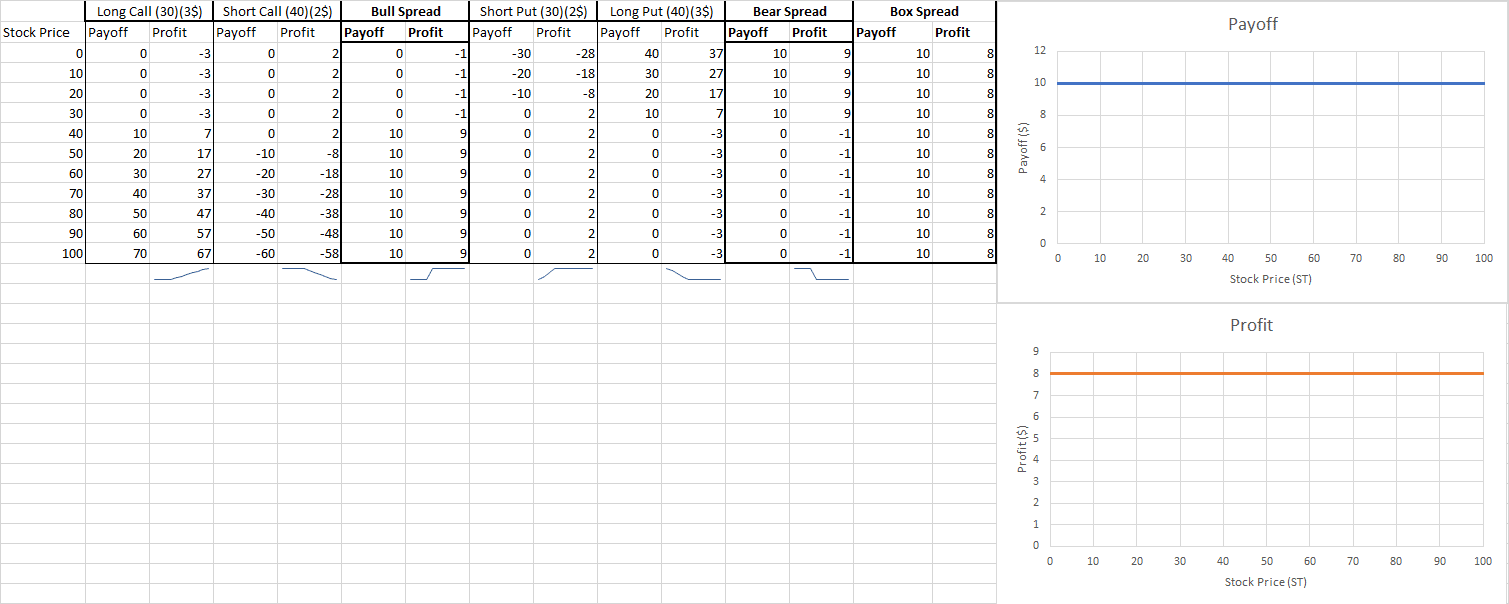
A box spread is an option strategy that is created by combining the components of the bull spread and the bear spread. By creating a box spread, you are creating a neutral riskless position that generates a return like a bond. A box spread can be used to borrow or lend funds.

What are its components?

A box spread has four components:

  • Long call at strike price 1
  • Short call at strike price 2
  • Short put at strike price 1
  • Long put at strike price 2

When and why should I have a bear spread?

You should have a box spread if you have a neutral view on the stock’s performance. The box spread will give the trader the ability to lend or borrow cash using a box spread.

What is the payoff and profit graph?

What is the break-even point?

Since the box spread has a payoff and profit structure like a bond, it does not have a break-even point.

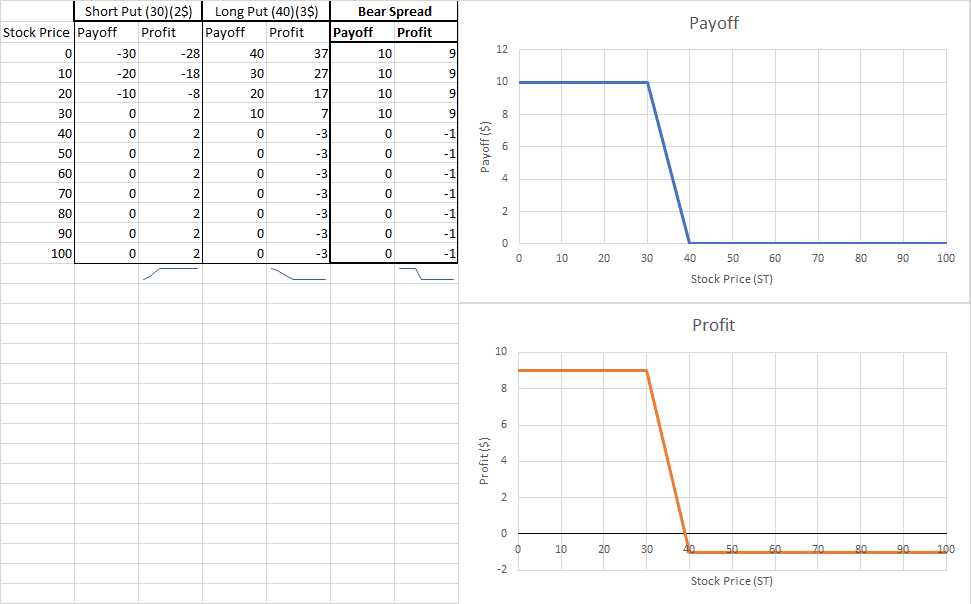
A bear spread is a strategy where you simultaneously sell a put at Strike Price 1, and buy a put at Strike Price 2. Recall that users will pocket the premium should the option not be exercised. By selling a put with a lower strike price, users can reduce their total transaction costs and create a strategy that can generate a fixed income like in a bull spread.

What are its components?

A bear spread has two components:

  • Short a put at strike price 1
  • Buy a put at strike price 2
  • (*A bear spread can also be created with puts)

When and why should I have a bear spread?

You should have a bear spread if you are moderately bearish on a stock and wish to enter a bearish position with protection. By having a long put, you will have a bearish position on a stock and a protection should the stock increase. This position entails that you will pay a premium, where the short option comes in play and reduces your costs. By doing this additional transaction, you are willing to reduce your gains for a lower transaction costs and a steady income stream once the stock performs at a price below strike price 1.

What is the payoff and profit graph?

What is the break-even point?

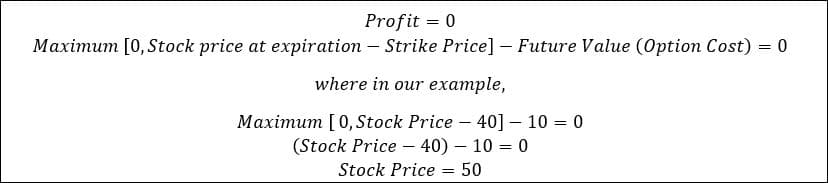
The break-even point of a bear spread can be defined by finding the stock price where the bear spread generates a zero-dollar profit. By adding both puts together and equating it to zero, you should solve for ST.

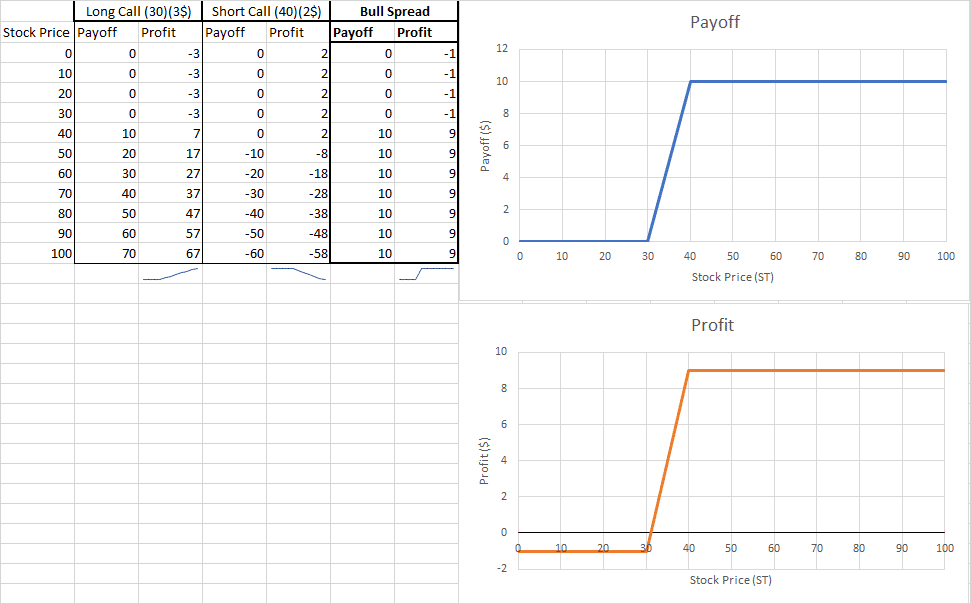
A bull spread is a strategy where you simultaneously buy a long call at Strike Price 1, and sell a call for Strike Price 2. Recall that users will pocket the premium should the option not be exercised. By selling a call with a higher strike price, users can reduce their total transaction costs and create a strategy that can generate a fixed income like in a bull spread.

What are its components?

A bull spread has two components:

  • Long call at strike price 1
  • Short call at strike price 2
  • (*A bull spread can also be created with puts)

When and why should I have a bull spread?

You should have a bull spread if you are moderately bullish on a stock and wish to enter a bullish position with protection. By having a long call, you will have a bullish position on a stock and have a protection should the stock decrease. This position entails that you will pay a premium, where the short option comes in play and reduces your costs. By doing this additional transaction, you are willing to reduce your gains for a lower transaction costs and a steady income stream once the stock performs at a price above strike price 2.

What is the payoff and profit graph?

What is the break-even point?

The break-even point of a bull spread can be defined by finding the stock price where the bull spread generates a zero-dollar profit. By adding both calls together and equating it to zero, you should solve for ST.

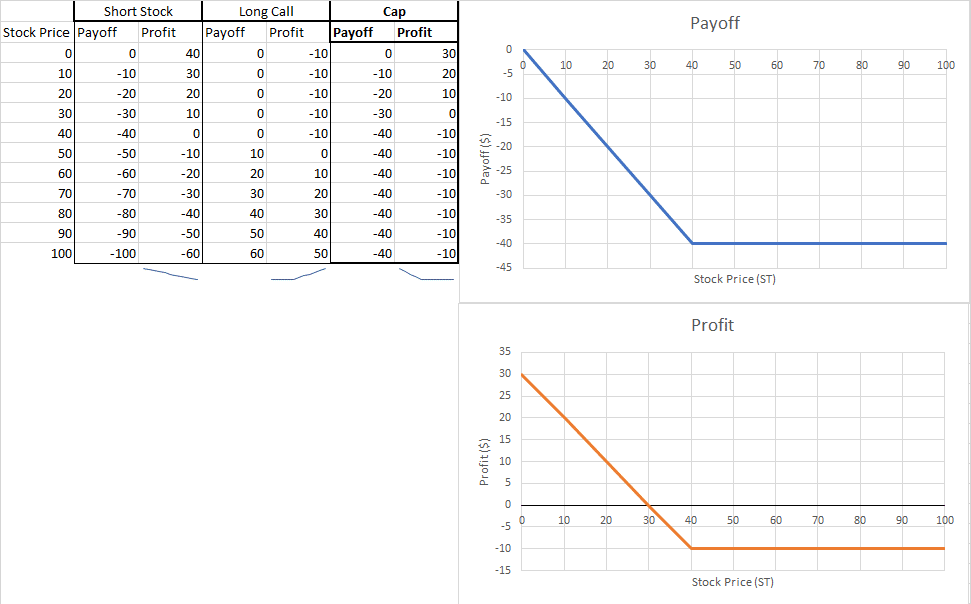
A cap is an options protection strategy where you simultaneously have a short position on a stock and a long call for the same underlying asset. Adding a long call to your open position means that you are obligated to buy your stock at the strike price. However, you already have a short position on the asset, which means this call option will help you close your position on the stock by buying back the shares at a fixed price. You will gain the difference from the short stock and the long call. The combination of those two products creates a payoff that is like a long put. However, the profit is not the same since you spent more on a cap versus a put option.

What are its components?

A cap has two components:

  • Short Stock
  • Long Call

When and why should I have a cap?

You should have a cap if you are bearish on a stock and wish to have an extra protection in case the price of the stock goes up. By adding a long call to your long position, you are willing to reduce your profit should the stock price decrease to create a ‘cap’, which is the lowest profit you can attain if the price is higher than the strike price.

What is the payoff and profit graph?

What is the break-even point?

The break-even point of a cap can be defined by finding the stock price where the cap generates a zero-dollar profit. By adding the short stock and long call together and equating it to zero, you should solve for ST.

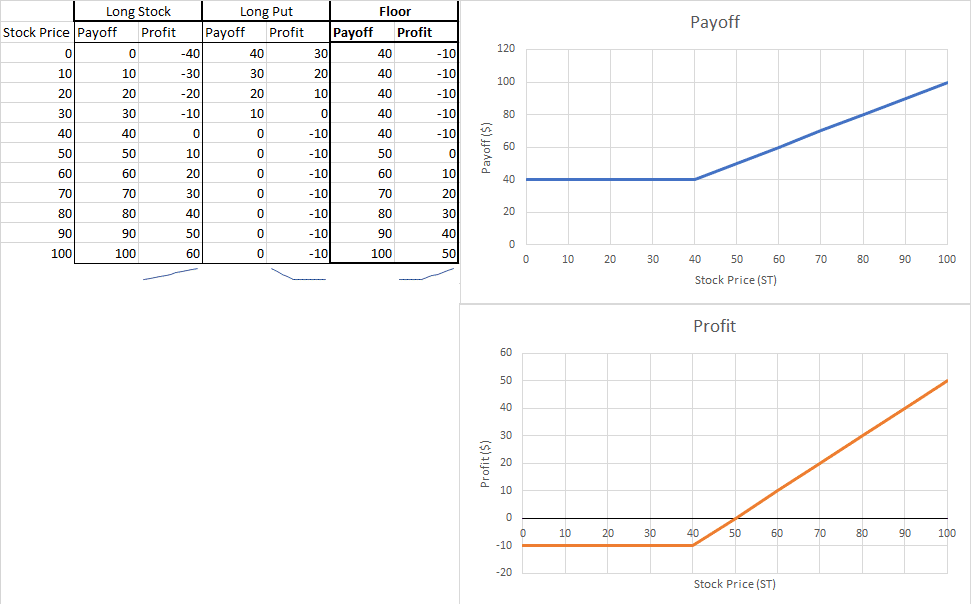
A floor is an options insurance strategy where you simultaneously have a long open position on a stock and a long put for the same underlying asset. Adding a long put to your open position means that you are obligated to sell your stock at the strike price. The long put ensure that you can sell your stocks at a defined price. Since you already have the stock in your open position, you will gain the difference from the long stock and long put. The combination of those two products creates a payoff that is like a long call. However, the profit is not the same since you spent more on a floor versus a call option.

What are its components?

A floor has two components:

  • Long Stock
  • Long Put

When and why should I have a floor?

You should have a floor if you are bullish on a stock and wish to have an extra protection in case the price of the stock goes down. By adding a long put to your long position, you are willing to reduce your profit should the stock price increase to create a ‘floor’, which is the lowest profit you can attain if the price is lower than the strike price. Creating a floor guarantees a minimum stock price for which you can close your current position.

What is the payoff and profit graph?

What is the break-even point?

The break-even point of a floor can be defined by finding the stock price where the floor generates a zero-dollar profit. By adding the long stock and long put together and equating it to zero, you should solve for ST.

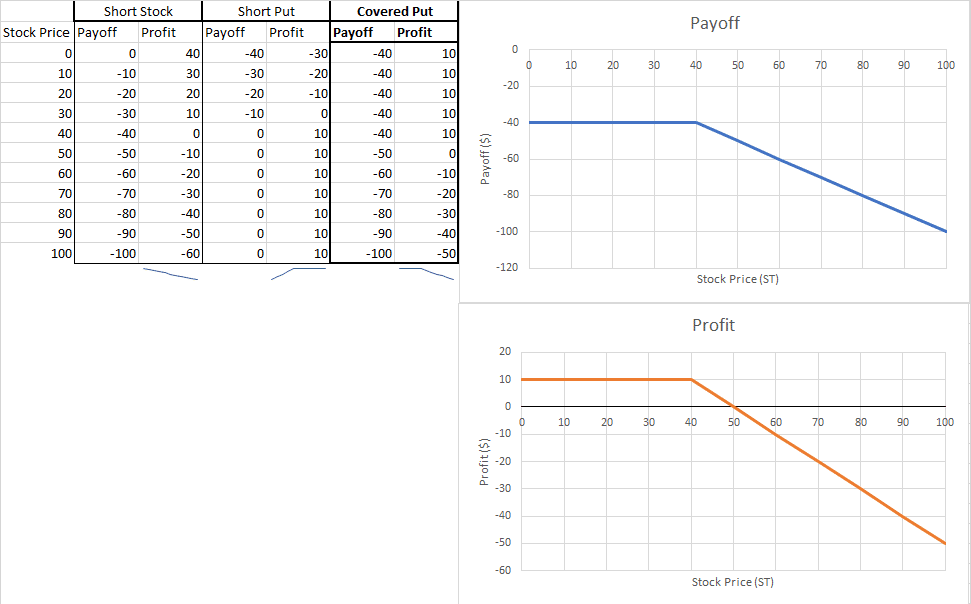
A covered put is an options insurance strategy where you simultaneously have a short open position on a stock and sell a put option for the same underlying option. Adding a short put in your open positions means that you are obligated to buy your stocks at the strike price, contingent on the option buyer’s actions. However, you already have the short stock in your open position, which means you will gain the difference from the short stock and the short put. The combination of those two products creates a payoff that is like a short call. However, the profit is not the same since you spent more on a covered put versus a short call.

What are its components?

The covered put has two components:

  • Short Stock
  • Short Put

When and why should I have a covered put?

You should have a covered put if you are moderately bearish on a security and wish to have an extra protection in case the price of the stock goes up. By adding a short put to your short position, you are willing to forego the additional profit should the stock drop for protection if the stock increase in price. The effect of adding a short put to your short position can be seen in the profit tables below.

What is the payoff and profit graph?

What is the break-even point?

The break-even point of a covered put can be defined by finding the stock price where the covered put generates a zero-dollar profit. By adding the short stock and the short put together and equating it to zero, you should solve for ST.

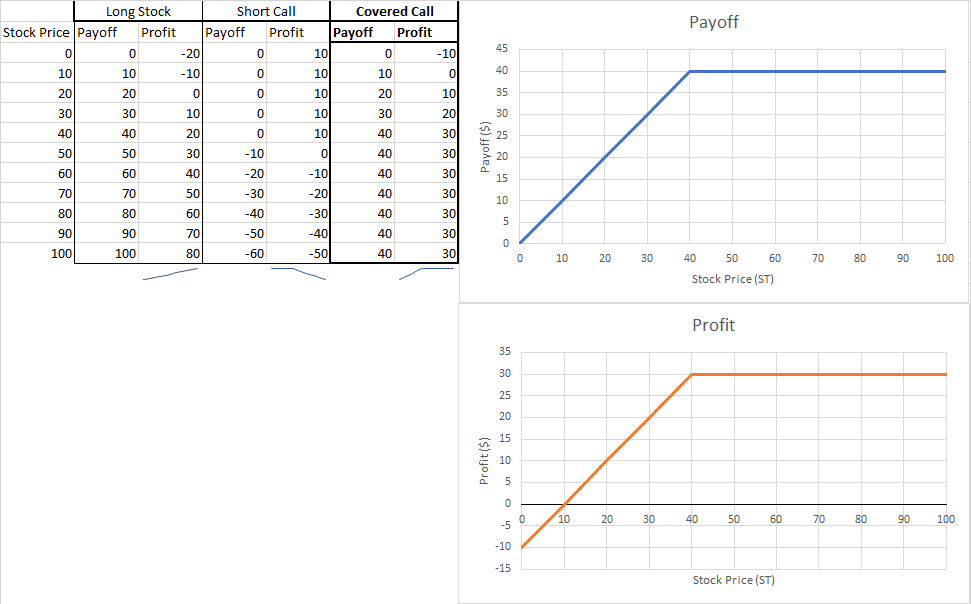
A covered call is an options insurance strategy where you simultaneously have an open position on a stock and sell a call option for the same symbol. Adding a short call in your open positions means that you are obligated to sell your stocks at the strike price contingent on the option buyer. However, you already have the stock in your open position, which means you will gain the difference from the long stock and the short call. The combination of those two products creates a payoff that is like a short put. However, the profit is not the same since you spent more on a coverall call versus a short put.

What are its components?

The covered call has two components:

  • Long Stock
  • Short Call

When and why should I have a covered call?

You should have a covered call if you are moderately bullish on a security and wish to have an extra protection in case the price of the stock goes down. By adding a short call to your stock, you are willing to forego the additional profit should the stock surge for protection if the stock drops in price. This can be seen in the individual profits of these two components, versus the covered call’s profit.

What is the payoff and profit graph?

What is the break-even point?

The break-even point of a covered call can be defined by finding the stock price where the covered call generates a zero-dollar profit. By adding the long stock and the short call together and equating it to zero, you should solve for ST.

A long call is a term used when you own a call option for an underlying asset. A call option is a contract where the buyer has the right (not the obligation) to exercise a buy transaction at a specific strike price at or before an expiration date.

In the world of trading, owing a long call means that you have a contract that gives you the right to buy the underlying asset at a specific price, before a maturity date. Once the contract is exercised, the contract disappears and the underlying asset will be part of your open positions at the specified strike price. If you had a short position on the asset beforehand, exercising this contract will be expressed as if you have covered your short position. The alternative of exercising would be to sell your option contract to another trader on the market.

What are its components? Can you show me how to have a long call in my open positions?

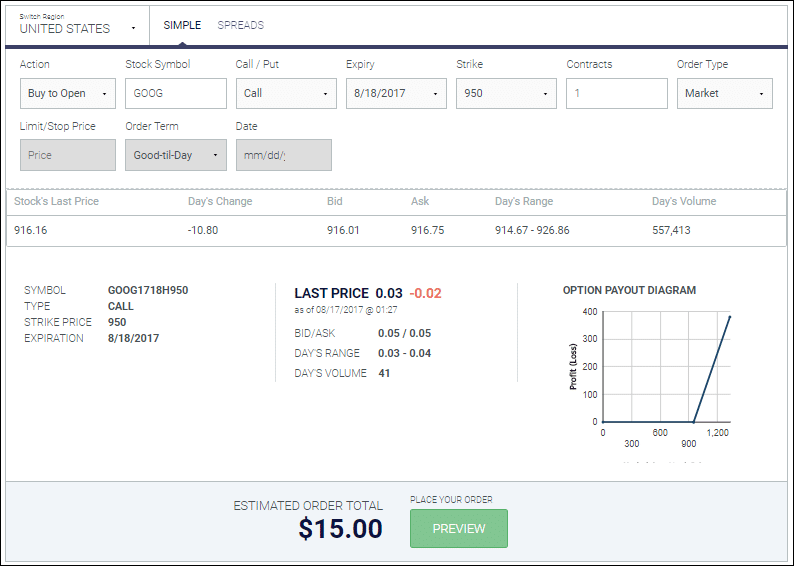
The components of a long call are quite simple. You simply need to perform an order to buy to open an option contract based on your desired specifications:

When and why should I have a long call?

            You should have a long call option if you expect the stock price to go up, but would like to have a cushion of protection. As an example, if you own solely the underlying asset and the price goes down, the lost will have a stronger impact on the underlying asset than on the option contract.

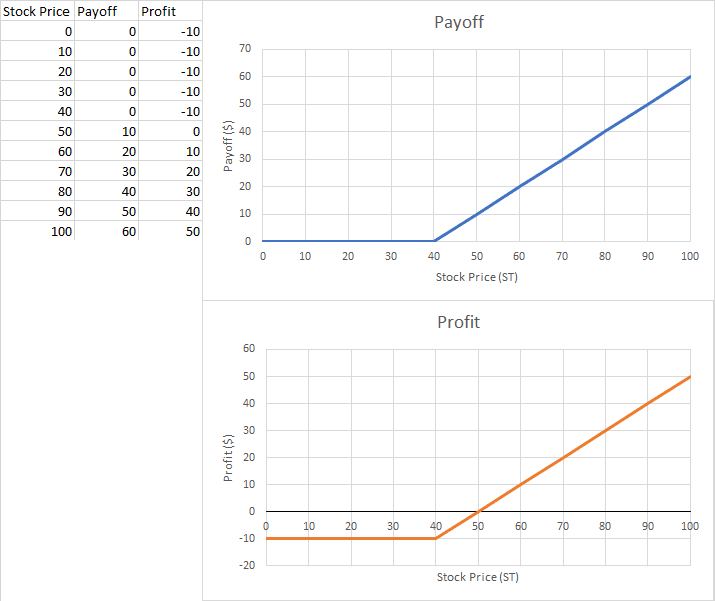
What does it look like graphically? What is the payoff and profit graph?

What is the Break Even Point?


Recall that a call option is a contract where the buyer has the right (not the obligation) to exercise a buy transaction at a specific strike price at expiration date. A short call is a term used when you sell a call option for an underlying asset.

A trader that has a short call option is also referred as a trader that wrote a call option. This means that the trader wrote this option contract with a belief that the buyer of the contract will not exercise it. If this happens, the writer will pocket the premium from selling the contract. If the buyer of the call option does exercise his right, the writer will have to sell him the shares, with respect to the specifications of the contract. In other words, a call option writer has an obligation to sell shares of the underlying asset, contingent on the buyer’s decision to exercise his rights.

In the world of trading, a short position on a call option (“sell to open”) means that you sold a contract that gives the buyer of that contract the right to buy the underlying asset at a specific price at a maturity date. If the buyer decides to exercise his right, you are obligated to provide him the shares with respect to the requirements that you have both agreed upon. It is important to note that the seller of a call option has no exercising rights. Thus, the only way to close this option contract would be to “buy to close” or cover the contract in question.

What are its components? Can you show me how to short sell a call option?

The components of a short call are quite simple. You simply need to perform an order to sell to open an option contract based on your desired specifications:

When and why should I have a short call?

You should short a call option if you expect the stock price to remain below the strike price. In a situation where the stock’s price is below the strike price, you will be able to gain the premium, since the buyer did not exercise his right. Evidently, writing a naked call (without being the owner of the underlying asset) can be very risky should the price surges beyond the strike price. Traders write options to implement it to certain strategies that will be discussed later.

What does it look like graphically? What is the payoff and profit graph?

What is the break-even point?

A long put is a term used when you own a put option for an underlying asset. A put option is a contract where the buyer of the put has the right (not the obligation) to exercise a sell transaction at a specific strike price before an expiration date.

In the world of trading, owning a long put means that you have a contract that gives you the right to sell the underlying asset at a specific price, before a maturity date. Once the contract is exercised, the contract disappears and the underlying asset will be sold at the specified strike price. If you already have the asset in your open positions, it will be sold at the specified price. If you do not own the asset, the sell action will be expressed as if you have shorted the stock. The alternative of exercising would be to sell your contract to another trader on the market.

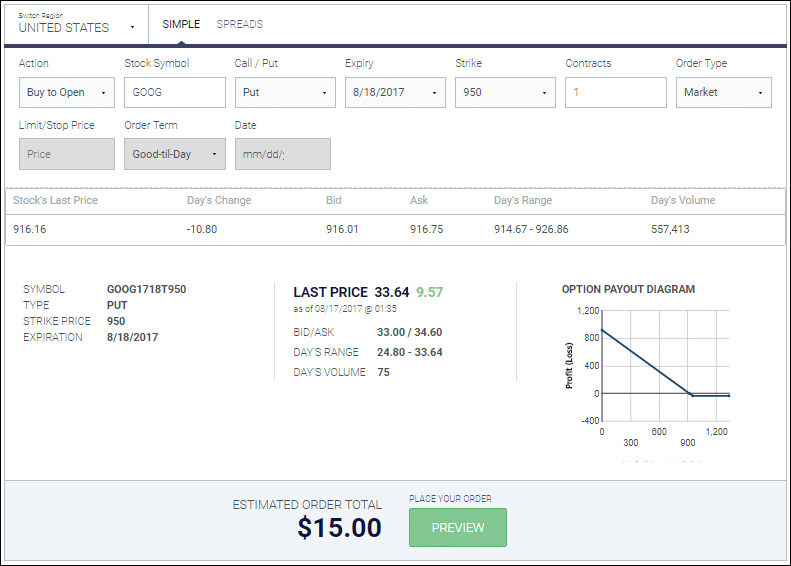
What are its components? Can you show me how to long a put option?

The components of a long put are quite simple. You simply need to perform an order to buy to open an option contract based on your desired specifications:

When and why should I have a long put?

            You should have a long put option if you expect the stock price to go below a specific price, but would also like to have a cushion of protection. As an example, if you short sell the underlying asset and the price goes up, the loss will have a stronger impact on the underlying asset than on the contract.

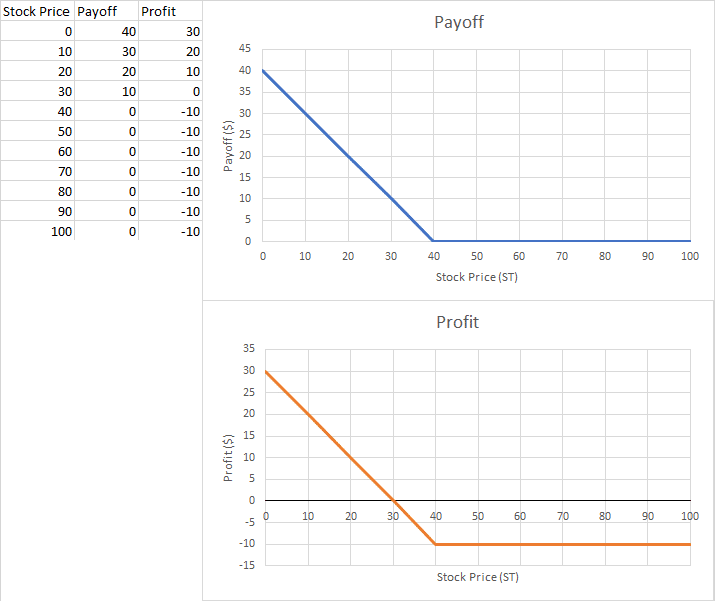
What does it look like graphically? What is the payoff and profit graph?

What is the break-even point?

Short Put

Recall that a put option is a contract where the buyer has the right (not the obligation) to exercise a sell transaction at a specific strike price before an expiration date. A short put is a term used when you sell a put option for an underlying asset.

A trader that has a short put option is also referred as a trader that wrote a put option. This means that the trader wrote this option contract with a belief that the buyer of the contract will not exercise it. If this happens, the writer will pocket the profits from selling the contract. If the buyer of the put option does exercise his rights, the writer must buy from him/her the shares, with respect to the specifications of the contract. In other words, an put option writer has an obligation to buy shares of the underlying contingent on the option buyer’s actions.

In the world of trading, a short position on a put option (“sell to open”) means that you sold a contract that gives the buyer of that contract the right to sell the underlying asset at a specific price, before a maturity date. If the buyer decides to exercise his right, you are obligated to purchase from him the shares with respect to the requirements that you have both agreed upon. It is important to note that the seller of a put option has no exercising rights. Thus, the only way to close this option contract would be to “buy to close” or cover the contract in question.

What are its components? Can you show me how to short sell a put option?

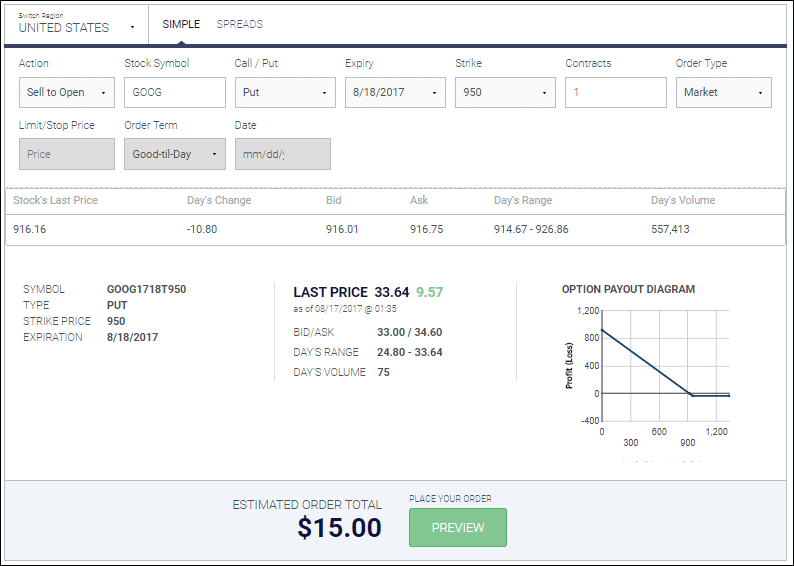
The components of a short put are quite simple. You simply need to perform an order to sell to open an option contract based on your desired specifications:

When and why should I have a short put?

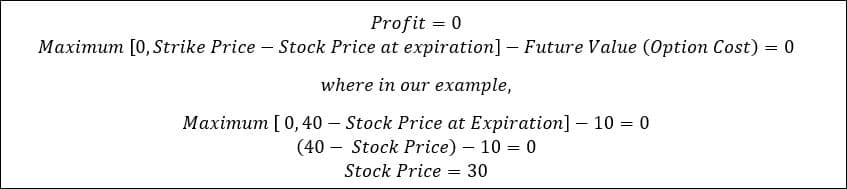
You should short a put option if you expect the stock price to remain above the strike price. In a situation where the stock’s price is above the strike price, you will be able to pocket the premium, since the buyer did not exercise his right. Evidently, writing a naked put can be very risky should the price drop below the strike price. Traders write options to implement it to certain strategies that will be discussed later.

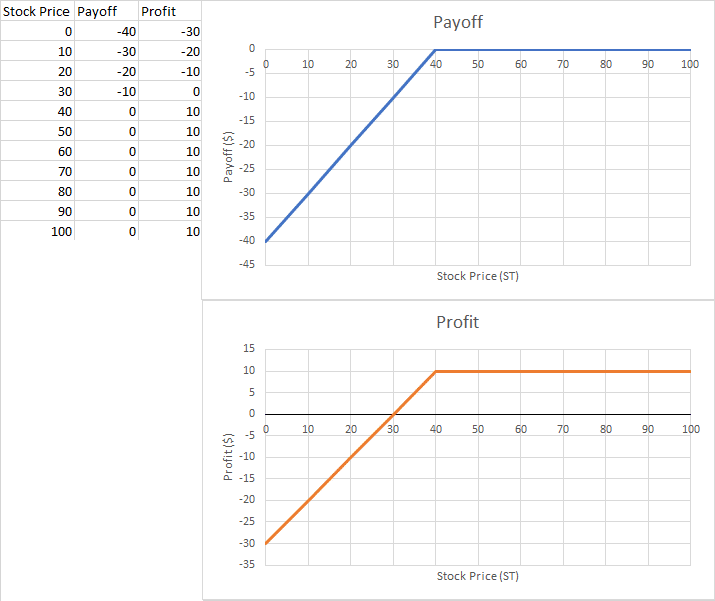
What does it look like graphically? What is the payoff and profit graph?

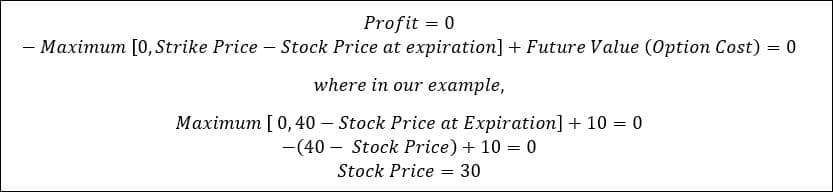
What is the break-even point?

The field of accounting is typically divided into two areas, financial accounting and cost (or managerial) accounting. Whereas the purpose of financial accounting is to report the results and position of a business to external parties, cost accounting focuses on internal reporting for the purpose of improving managerial decision making. This means that cost accounting is forward looking, as opposed to the primarily backward-looking financial accounting.

As a further distinction, cost accounts are not required to adhere to GAAP like their financial counterparts are. This is because they are performing analysis primarily to assist management teams, who do not need the same standardized reporting that is the external requirement. This also means that cost accounting involves some different metrics than financial accounting. For example, physical measures like units produced per hour may be utilized in cost accounting that would never be seen on any financial statements.

To see how this is used in the real world, take a look at two basic cost accounting concepts: cost allocation and cost-volume-profit analysis.

Cost Allocation

Simply put, the purpose of cost allocation is to assign costs to separate jobs or divisions within a company. For example, Ford’s (F cost accountants might want to separate out what costs are going into their car, SUV, and truck segments in order to determine which is the most profitable or which has the potential to become more efficient.

In cost accounting, there are two categories of costs: direct and indirect.

Direct Costs

Direct costs, including direct materials and direct labor, do not require any allocation calculations because they can be applied directly to their job or segment. The cost of metal and components used for an F-150 truck can easily be attributed to the truck segment, as can the worker-hours spent building the truck.

Indirect Costs

However, indirect costs, like the cost to build and maintain factories or manager salaries, are more difficult to allocate. Typically, what a company will do is determine a cost driver for each cost. Cost drivers are activities that cause costs to be incurred—potentially items like machine hours, labor hours, or square footage used. One key task for a cost accountant is to select the cost driver that most accurately predicts actual costs.

Let’s say that we run a bread factory and we have three segments: bread, cookies, and cakes. We have selected machine hours as the cost driver for our indirect costs. In 2017, the factory operates at the following activity level:

SegmentBreadCookiesCakesTotal
Machine Hours2200150013005000

At the end of the year, our company has incurred $180,000 of indirect costs (rent, manager salaries, ect). To determine the amount allocated to the bread segment, we would take 2200 hours (the amount of cost driver used by bread machines) divided by 5000 hours (the total amount of cost driver used by the entire factory) to get 44%. Then, we multiply that value by $180,000 of indirect costs to get $79,200 allocated to the bread department.

2200 bread machine hours/ 5000 total machine hours = 44%

44% *$180,000 indirect costs = $79,200 allocated to bread segment

Through similar calculations, we can allocate 30% of costs to cookies and 26% of costs to cake, reaching allocations of $54,000 and $46,800 respectively.

Analyzing Cost Allocation

In terms of takeaways, this analysis is telling us that the bread segment is responsible for the greatest percentage of our machine hours and accounts for the greatest percentage of costs. Depending on the level of revenue being earned from bread sales, management may look to make bread production more efficient.

Companies usually test multiple cost drivers before making a final decision. For instance, in this example management might look at the square footage of factory space taken up by bread machines vs cake and cookie machines, as space could be a logical predictor of the costs to heat, light, and maintain the factory. This is one of the reasons why Cost Accounting cannot be GAAP compliant – there is an inherent subjectivity that the managerial team needs to make when deciding how they internally allocate their costs, so outside observers will never be able to compare two company’s cost accounts “apples to apples”.

Cost-Volume-Profit

Cost-Volume-Profit (CVP) analysis is a process used to predict future financial performance given various output levels. The basic formula involved in CVP analysis is as follows:

Pre-tax Profit = (Price * Units) – (Variable Cost per Unit * Units) – Fixed Costs

or

Pre-tax Profit = Revenue – Variable Costs – Fixed Costs

This formula is a simplified version of an income statement. Notice that instead of listing each item (cost of goods sold, depreciation, etc), this formula classifies all costs as either fixed or variable. This is extremely helpful in terms of allowing cost accountants to project the degree to which a company will be more or less profitable given a certain change in output level, but is also somewhat simplistic. In a real-world company, it can be difficult to determine whether certain costs are fixed or variable. However, CVP provides a useful theoretical guideline regardless.

Applying CVP

One common use of CVP is to analyze how much an increase in output will impact profits. Let’s say our factory had the following bread data for 2016:

Bread Segment
Units sold100,000
Revenue per unit$4
Variable Cost per unit$2
Fixed Costs$150,000

Using our CVP equation, we can easily determine pre-tax profit:

($4 revenue per unit * 100,000 units) – ($2 VC per unit * 100,000 units) – $150,000 FC = $50,000 pre-tax profit

Since in this example revenue per unit is greater than variable cost per unit, increasing units sold will increase profit and vice versa. Another interesting application of CVP is to find the breakeven point, or output level needed to generate a profit of $0.

To find breakeven, we need to set profit equal to zero in the CVP equation and then solve for units (we use the variable x to represent units here):

$0 = 4x – 2x – $150,000

$150,000 = 2x

x = 75,000 units

Therefore, we need to sell 75,000 units to break even on the bread division. Notice that when we solve for x, we simplify and can take out a more direct formula for breakeven:

Breakeven Units = Fixed Costs / (Revenue per unit – VC per unit)

The final term in this equation (Revenue per unit – VC per unit) is often referred to as the unit contribution margin, as it describes the amount per unit sold that a company has available to contribute to covering fixed costs.

CVP, Margins, and Break-Even Applications

In simple cases, the Variable Costs per Unit are fixed, but in the real world they tend to follow a “U” shape as a company increases production. As the company increases production, the variable costs start to go down.

Imagine if you were running your own bakery – If you only bake 2 loaves of bread per week, you will only need to buy one small bag of flour from the local grocery store. Once you get up to 20 loaves, you will probably be buying flour in 25 pound bags – and if you look at the labels at the grocery store, you will see the bigger bags cost less per pound. Once you start producing 200 loaves per week, you might skip the grocery store entirely and work directly with a wholesaler, decreasing your input price even more. This is called “Economies of Scale”.

Diseconomies of Scale

At a certain point, you will also start hitting “Dis-economies of Scale”, where your variable cost per unit starts to increase. One of these is purely the number of man-hours spent baking bread – each employee only works so many hours per week. If all employees are fully utilized, you will need to hire one new employee, lowering the average output per worker. For example, imagine you currently produce 2000 loaves per week, with 5 employees each working as hard as they can. Your employees each earn $20/hour, and work 35 hours per week. To calculate the current variable cost per unit due to labor, you would calculate:

Total Salary Cost = Total Employees * Hours per Week * Hourly Wage

Total Salary Cost = 5 * 35 * $20 = $3500

Current Labor VC per Loaf = Total Labor Cost / Total Loaves Produced

Current Labor VC per Loaf = $3500 / 2000 = $1.75

Now if your company wants to bake 2100 loaves next week, you will need to hire a new employee. This new employee is currently under-utilized, which means it impacts your average cost per loaf.

Total Salary Cost = Total Employees * Hours per Week * Hourly Wage

Total Salary Cost = 6 * 35 * $20 = $4200

Labor VC per Loaf = Total Labor Cost / Total Loaves Produced

Labor VC per Loaf = $4200 / 2100 = $2.00

The other biggest concern that can cause diseconomies of scale include maximizing the machine hours per worker – if you have too many bakers in the bakery, some may be idle waiting for an oven to free up.

Double Break-Even

This means companies have two break-even points: the first is the minimum they need to produce and sell to pay their expenses, and the next is the maximum they can sell before diseconomies of scale eat all of their profits.

Managers use both points every day. The lower break-even point brings up a “shut-down” question – is it more profitable in the long run to continue producing that good at all, or are the current resources it uses able to be better utilized elsewhere. The higher break-even point raises a flag for reinvestment and efficiency evaluation – as variable costs increase, managers decide if more capital (in our example, more or bigger ovens in the bakery so each baker gets plenty of machine time), or different production processes can be implemented to keep profits flowing as business grows.

Schedule a call

Get PersonalFinanceLab

This lesson is part of the PersonalFinanceLab curriculum library. Schools with a PersonalFinanceLab.com site license can get this lesson, plus our full library of 300 others, along with our budgeting game, stock game, and automatically-graded assessments for their classroom - complete with LMS integration and rostering support!

Learn More

[qsm quiz=182]

A company’s financial statements give investors, managers, and other “users” a complete, honest look at its financial health. Finished financial statements follow a standardized format, letting investors compare different companies in the same industry apples-to-apples.

For the company’s financial reporting team, this presents a challenge – every business’s internal operations are different, but all activities need to be summarized into a standardized format. Businesses assign teams to create their financial statements to meet this challenge – the Income Statement, Balance Sheet, Cash Flow Statement, and other smaller reports issued by every publicly-traded company.

Financial statements follow a logical sequence – each statement needs to be completed and used as an input to the next.

Worksheets

Financial statements are summaries of activities, so the first step in creating any financial statement is to start by building worksheets. Worksheets are updated almost daily with raw data – all sales, expenses, depreciation, and any other flow of money into, out of, or within a company.

Worksheets are the first step in translating the unique way each business operates into easily-understandable, standardized financial statements. This means each company’s worksheets for each type of financial statement is unique – their accounting and financial analysis teams work together to build worksheets that help distill business operations into raw financial data.

Building Worksheets

Worksheets start with the general ledgers of a business, and sort the data into the categories they need to build the standardized financial statements. This is usually a set of spreadsheets – a separate set of worksheets used to build each type of financial statement.

Building worksheets is time-consuming. Some smaller businesses with an owner-operator trying to build their own financial statements may try to skip building worksheets, and instead convert their raw ledger data directly into finished financial statements. This can save some time if they only want to produce financial statements very rarely (like when applying for new bank loans), but lends itself to errors and headaches for companies with normal reporting schedules.

Building new worksheets takes care – any change to worksheets needs to be verified that it will be consistent with previous financial statements, and conforms to GAAP.

Income Statement

Income statements try to answer one simple question: how much money did this business make or lose? This means income statements look at all transactions over a given period of time, usually a quarter or year. The final product of the financial statement is to be able to produce the following equation:

Net income = Revenues – Expenses

It is in this document that revenues are matched with expenses to determine whether a company has net income (revenues are more than expenses) or a net loss (expenses are more than revenues). The worksheet can be a helpful tool in starting and completing an income statement. The format of an income statement can change depending on the type of business.

The basic format is to have the revenues mentioned first and the expenses afterward. The revenue accounts are sales, fees earned, rent revenue, dividends revenue, and any other revenue that all depends on the type of business. The operating expenses are either selling or administrative, but expense can vary depending on the type of business. However, in general, expenses come from advertising, delivery, depreciation of the building, depreciation of equipment, salaries, and wages, and many other things that a business needs to incur to keep the company up and to run.

Revenues

Each company is different, but to simplify let’s say that Apple splits their revenue up into Sales revenue, Interest revenue, and gains on sales of assets. Their revenue would look something like this.

  • Revenues
    • Sales Revenue – $1,500,000
    • Interest Revenue – $250,000
    • Gains on Sales of Assets – $100,000
    • Total Revenue – $1,850,000

Expenses

Expenses work in a similar format but are obviously categorized as money going out of the company. Apple, if simplified again would have their expenses split into Cost of goods sold, interest expense, commission’s expense, and loss from a lawsuit. Their expenses would look something like this.

  • Expenses
    • Cost of goods sold – $950,000
    • Interest expense – $50,000
    • Commissions expense – $75,000
    • Loss from lawsuit – $250,000
    • Total expenses – $1,325,000

Once this is all tied together at the end the final number is the net income and is calculated by subtracting total expenses from total revenue. This would look like this.

Net Income = $1,850,000 – $1,325,000 = $525,000

Retained Earnings

Retained earnings are a portion of accumulated net income that gets repurposed into other assets and liabilities for the benefit of the firm. At the discretion of the company, retained earnings can also be distributed to stockholder’s as dividends.

Retained earnings are calculated by taking the beginning balance of retained earnings and adding any net income (subtracting net loss) and deducting dividends to get the ending balance of retained earnings for the year-end.

Ending Balance of Retained Earnings = Beginning Balance + Net income (- Net loss) – Dividends

The retained earnings statement is not a mandatory financial statement to have. A company can furnish it to give internal users a better idea if securities should be issued, repurchased, send out dividends, fund new projects, or take in more debt. Its purpose is to help a firm make better investment choices than the previous period.

Shareholder’s Equity

The statement of shareholder’s equity is a stripped-down version of the Retained Earnings statement, with more emphasis on the actual stock of the company. This one is mandatory, and will later be used when building the Balance Sheet.

The statement of stockholder’s equity reports on changes in the stockholder equity accounts such as preferred stock, common stock, additional paid-in capital, retained earnings, and treasury stock. Other accounts such as accumulated other comprehensive income (loss) and noncontrolling interest are included in the statement of stockholder’s equity.

This statement is important because it reveals the contributions and distributions of a company about the accounts just mentioned and the adjustments processed in the period that they cover. In other words, it gives investors a clear picture about what is happening with their stock (diluted with more shares, if the company is buying back shares as treasury stock, ect).

Balance Sheet

The Balance Sheet is the biggest of the main financial statements, and the last to be prepared. The balance sheet will “balance” all of the assets, liabilities, and shareholder’s equity at a specific period of time. While the Income Statement will look at the flow of money over a period (month, quarter, or year), the Balance Sheet is a snapshot – showing its balance at a precise moment in time.

The goal of the Balance Sheet is to give users a picture at a company’s solvency and flexibility. How well are they able to make payments on debt? How liquid are their assets, and how financially flexible are they to whether any unexpected market shocks? This is done by first breaking down, then summing up, the different categories of assets and liabilities, and showing how this compares with shareholder’s equity and retained earnings.

The asset accounts include current assets (cash, accounts receivable, supplies, prepaid expenses, etc.), long-term investments (equity investments), property-plant-and-equipment (land, building, etc.), and intangible assets (goodwill, trademarks, etc.). The liabilities accounts include current liabilities (liabilities within one year or less – notes payable, accounts payable, income taxes payable, salaries payable, etc.) and long-term debt (debt that is more than one year). The stockholder’s equity accounts can come from contributed capital from the issuance of stock, additional paid-in capital, retained earnings, accumulated other comprehensive income, treasury stock, and various equity accounts, which depends on the type of business.

Comparing balance sheets over time will usually give a very clear picture of a company’s financial health.

Cash Flow Statement

The Cash Flow statement can be produced at any point between any of the other statements. Cash does not necessarily mean income, so the purpose of the Cash Flow statement is not to show profits or loss – the Cash Flow Statement bridges the gap of information from the Income Statement and the Balance Sheet.

Like the Income Statement, the Cash Flow Statement shows the flow of money into, out of, and within a business over a period of time. Unlike the income statement, it is not concerned with “net income” or “net loss” – rather, it tries to help paint a picture of liquidity, like the Balance Sheet.  The Cash Flow statement needs to answer exactly how the “Cash” line of the balance sheet is calculated.

It is here that the total amount of cash reported on the balance sheet (the ending balance) is explained based on the cash out-flows that are deducted from the cash in-flows. To prepare the statement of cash flows a company looks at prior periods balance sheets to make a comparative analysis (to see what increased or decreased), the current periods income statement to help calculate the net cash provided from operating activities, and any data from transactions that have occurred.

Cash Flow Calculation Steps

Cash flows from operating activities – This should be the bulk of cash flow in most businesses, calculating the cash flow from normal business activities, including amortization and depreciation.

Add Net income + Depreciation expense + Amortization + Loss on sale of plant assets ( – Gain on sale of plant assets) + Decrease in accounts receivables ( – Increase in accounts receivables) + Decrease in inventory ( – Increase in inventory) + Increase in accounts payable ( – Decrease in accounts payable) = Net cash provided (used) by operating activities

Cash flows from investing activities – If a company has investments outside its normal operations, this cash also needs to be accounted for. This often comes from selling assets for most businesses.

Add Sale of plant assets (Subtract purchase of plant assets) + Sale of equipment ( – Purchase of equipment) + Sale of land ( – Purchase of land) = Net cash provided (used) by investing activities

Cash flows from financing activities – This relates to Shareholder’s Equity – how is invested money being used, and the movement of cash into and out of stock.

Add issuance of stocks – Dividend payments – Redemptions and repurchases = Net cash provided (used) by financing activities

Once the amounts of each category are determined, they are combined by taking the sum or difference of the total amounts to get the net increase in cash (more cash coming in than coming out) or net decrease in cash (more cash being spent than being earned).

Net increase (decrease) in cash + Cash at the beginning of the year = Cash at the end of the year (the total cash you see on the balance sheet)

Consolidated Financial Statements and Annual Reports

Every company reports their financials every year on a different date depending on their fiscal year. Some do it in the winter, while others choose the summer. This report is an all-inclusive finding on what the company has been doing for the previous year – wrapping all of these financial statements into one big bundle for publication called the 10k.

The report starts with a description of the company and what they do. From there they describe any new changes during the year such as mergers or acquisitions. After a few pages of qualitative descriptions of their year, the reader runs into their financial statements. This is a great way to read over their income statement, balance sheet, statement of stockholders equity etc. and really understand how they have been doing over the past year and if they’re improving or declining.

Below is an example of the table of contents from Nordstrom’s (JWN) 2018 annual report and as you can see it is a lot of information.  In short, the nature of a company’s annual report is to provide an enormous amount of information the general public and their stockholders to help them understand how the company is doing. It takes a lot to read through these reports and pull the information needed, but they are created by the companies for a reason and are a great way to learn more about them! You can find the 10k of any company with public stock by looking them up on the Quotes page, then clicking “SEC Filings” on the left.

Schedule a call

Get PersonalFinanceLab

This lesson is part of the PersonalFinanceLab curriculum library. Schools with a PersonalFinanceLab.com site license can get this lesson, plus our full library of 300 others, along with our budgeting game, stock game, and automatically-graded assessments for their classroom - complete with LMS integration and rostering support!

Learn More

[qsm quiz=181]

Risk is one of the most important concepts in investing, economics, and personal finance. Our appetite for, or aversion to, risk is the biggest driver behind spend and save decisions. Despite this, very few people really understand just how big a role risk plays in our everyday lives.

Risk Definition

“Risk” is the probability for an event to not go the way we hope. Every event in the future, and every event we plan for has at least two outcomes: the way (or ways) we hope it goes, and the way (or ways) it could go wrong. There are two types of risks – the kind where we know the likelihood of failure, and the kind where we do not.

Well-Defined Risk

A dice roll is a well-defined risk – each side has an exactly 1/6 chance of rolling up

If a risk is “well-defined”, then we can usually find an exact probability of things turning out well, or things failing. Investing in a bond is one example of this – there are tons of investment research firms that publish risk assessments of a bond being paid back in full and on time.

This is usually expressed as a percentage or ratio of success vs failure. For example, a US Treasury Bond has a 99% chance of paying itself back on time, and less than 1% risk of default.

Poorly Defined Risk

A risk is “poorly-defined” if we do not have access to all this research – when we are making wild guesses at the chance of failure. Most researchers start by assuming any event has a 50% chance of failure, then update that estimate as more information is added.

Nearly all risk starts as “poorly defined”, but research into other past events helps us clear the mystery. For example, if you have never heard of a company trading on the stock market, you would have no idea if it would make a good investment or not (a 50% chance of success, and a 50% chance of failure).

You could start your research by looking at the company’s history – if they have been in business for a long time with steady profits, it would reduce the risk of failure. If it looks like they just started listing their stock yesterday with no real profits yet, it would increase the risk of failure.

Risk and Interest Rates

If someone needs to borrow money, their lender would consider the “risk” of that loan being paid back when determining the interest rate.

For example, a bank may have a 3% baseline interest rate – they want to earn a 3% rate of return on any loans they issue. Every time a borrower asks them for a loan, they will do research into this person’s income and credit history to get a picture of how much risk there is for the loan.

Calculating Interest Rate with Risk – Expected Value

Imagine a borrower wants to borrow $1,000 from the bank for a 1-year loan. The bank starts with their baseline interest rate of 3% – they want to make sure that they can expect $1030.00 at the end of the year.

After doing their research, they estimate that the borrower has a 10% risk of failing to make the payments (a Well-Defined risk). If he fails to make all the payments, they do not know how much they will get back (a Poorly-Defined risk). Since this is a poorly defined risk, they will assume they will get half their money back if he fails at some point.

To calculate the interest rate they plan on charging, they want to make sure the expected value of the loan is $1,030.00 – the same as it would be if there was no risk. To calculate the expected values, they will assign the probabilities to each outcome – 90% he pays in full, 10% that he fails. They will then pick an interest rate that will make the expected value equal to the $1030.00 that they want to finish with the loan.

((Probability of paying back the loan X Full Payment) + (Probability of not paying back the loan X Partial Payment)) X (Interest Rate + 1) = $1030.00

((90% X $1030.00) + (10% x $515.00)) X (Interest Rate + 1) = $1030.00

($927.00 + $51.50) X (Interest Rate + 1) = $1030.00

$978.50 X (Interest Rate + 1) = $1030.00

Interest Rate + 1 = 1.0526

Interest Rate = 5.26%

At the 5.26% interest rate, the bank will get $1052.60 if the borrow pays back the full loan. The extra amount that they get beyond their original 3% is what they charge to cover the risk of the loan.

Risk and Psychology

A person’s appetite for risk will greatly change how they behave when faced with uncertainty. People try to minimize the amount of risk they need to manage, and will prefer a “sure thing” to balancing an expected value.

Risk Aversion

This leads to the idea of “Risk Aversion”. For example, imagine a coin toss game: heads, you get $100, tails you get $0, or you can just take $50 without flipping the coin at all. Most people would take the $50, because the cash-in-hand is better than the risk of 0. If you think you would still go for the coin flip and hope for the $100, we can just move around the starting positions: you can bet $50 of your own money to play. The expected value of all 3 choices is the same (you end with 0 for a tails, $100 for a heads, or $50 by walking away), but most people “feel” like it is a completely different game.

There is a practical application to this too – less risk makes it easier to plan. In the example of the bank trying to determine the interest rate, most banks will actually “round up” the interest to 5.5%, just to compensate the fact that they are taking a risk at all. As the size of the loan grows, so would be the “pain” in the even of a loss – this means bigger loans will often have higher interest rates, even with the same level of risk.

Risk Appetite

Different people have different levels of risk aversion, and this will change as we change what is at stake. In our coin toss example, we can lower the stakes: heads you get $1, or you can take 50 cents without a toss. In this case, a lot more people would take the bet on the coin toss, since the risk involved is quite small.

Compare this to much higher stakes – what if $1 million was on the line for a coin flip, or $500,000 for free? Very few people would take the flip – even though $1 million is twice the reward, losing the $500,000 represents a much bigger risk.

A person’s appetite for risk will also determine what kinds of investments they will make. A person who has a much higher risk tolerance will shoot for volatile stocks that have a lot of price movement – trying to maximize their return. Someone with a lower risk tolerance is more likely to invest in big blue-chip stocks and bonds – not much of a return for price, but looking for a steady stream of dividends and interest payments.

Problems in Risk Assessment

This does present a problem for some investors – people are generally bad at assessing risk.  It can be hard and time-consuming to fully research the pros and cons of one investment over another.

When looking at the spending patterns of large groups of people, we see that people tend to over-estimate the probability of unlikely events, mostly because the rare occurrences get a lot of attention. A perfect example of this is the lottery – the expected value of a lottery ticket (the % chance of winning times the amount you would win) is much lower than the price of the ticket, so a savvy investor would never buy a ticket. However, lottery winners get a lot of media attention, so there is a constant reminder that “YOU COULD BE NEXT!”. This brings emotion into the equation – encouraging participation and disregarding some of the risk.

Reducing Risk

A key skill in personal finance and economics is understanding how to reduce risk, and “lock in” more real returns. The two ways people and businesses reduce their risk is through diversification and insurance.

Diversification

Diversification means spreading out investments and assets. An investor would do this buy picking stocks in different industries, like a mix between agricultural, healthcare, and technology stocks. A business does this by opening separate brands or product lines – Coca-Cola (KO) also produces Dasani water, Minute-Maid fruit juices, and Vitamin Water to diversify its product line.

Diversification works because while different stocks might have the same level of risk, the triggers that would cause a loss are not likely to happen at the same time. If there is a drought, for example, agriculture stocks might lose money, but this would represent a smaller fraction of a portfolio, limiting the loss.

Insurance

Risk can be addressed directly by buying insurance. Insurance works the same as the banker deciding the interest rate for a loan.

Every time you buy an insurance policy, the insurance company starts by assessing how much loss you might face, and what the probability would be of that loss happening. The premiums charged by insurance companies have 2 parts:

  • The percentage of profit they want to make on all policies (for the bank, this would be the 3% profit they aim for on all loans)
  • Enough of a premium so the expected loss from filing a claim is 0.

For example, imagine you want to buy a $100,000 life insurance policy. Your insurance company targets a 5% profit on all policies, and they estimate that each year, you have a 2% chance of dying unexpectedly. They would set your premiums to make the expected value of paying out the policy zero, plus a 5% return on investment.

Annual premium = (Probability of having to pay out X Amount to pay out) X (Return on investment + 1)

Annual premium = (2% X $100,000) X (5% + 1)

Annual Premium = $2,000 X 1.05

Annual Premium = $2,100

Schedule a call

Get PersonalFinanceLab

This lesson is part of the PersonalFinanceLab curriculum library. Schools with a PersonalFinanceLab.com site license can get this lesson, plus our full library of 300 others, along with our budgeting game, stock game, and automatically-graded assessments for their classroom - complete with LMS integration and rostering support!

Learn More

[qsm quiz=180]

Property rights is the foundation of all free-enterprise economic systems. It is what allows people to profit from capital and ideas, without fear of seizure by the government or theft.

Definition

“Property Rights” usually refers to a set of fundamental rights giving citizens control over their own land, capital, and ideas.

Land Property Rights

The property right to Land gives a landowner exclusive use of their property – other citizens and the government cannot use someone else’s private property (although the government does have the right to purchase any private land).

The right to Land is protected by the 5th amendment to the Constitution, which (among other things) requires the government to compensate landowners if their land is seized for public use, and the 3rd amendment, which prevents the government from requiring citizens to house soldiers on their own property.

Capital Property Rights

Capital property rights give people the right to own “stuff”. This includes economic capital goods, like tractors, factory machines, and tools, but also the accumulation of wealth. Capital property rights are important because it allows people and companies to build up the means for production without worrying about it being taken away.

The right to Capital is protected by the 4th Amendment to the Constitution, which protects against unreasonable searches and seizures, but is limited by Article 1 of the Construction, which does give Congress the right to levy taxes.

Intellectual Property Rights

Intellectual property rights give people and businesses exclusive rights to profit from their ideas though the use of patents and copyrights. This means if you write or invent something, another manufacturer cannot simply copy your idea and profit from it themselves.

Intellectual property rights are protected by Article 1 of the Constitution, which charges Congress with establishing the Patent Office.

Weak Property Rights

The United States has strong property rights. To understand what this means, examine some systems with weaker rights.

Weak Land Rights: Rents System

A country with weak property rights would typically bar most citizens from owning land. A clear example of this would be most of Europe during the Middle Ages: all land was owned by the royalty or nobility. Commoners would need to rent smaller parcels from the nobility for their own use, and could be evicted at any time.

This meant that if you were a commoner, you would have no incentive to make improvements on your land. If you were to work hard to build an extension to your house or improve your farmland, it could just be lost the next year based on the whim of nobility. This discourages investment and improvements to land, hurting long-term growth.

Weak Capital Rights: Excessive Taxation

If a country has weak capital rights, it means that businesses and savings can be easily “appropriated” by the government, usually through very high taxes, but occasionally through direct seizure.

With excessive taxes, the government levies extremely high income taxes on individuals and businesses. This effectively makes it harder to generate a profit from any innovation, and can discourage investment. There is no clear-cut point where taxes become “too high”.

An example of excessive taxation would be the “Plunder Economy” of Sweden in the mid 1300’s.  The Plunder Economy started when a new King conquered Sweden, and immediately raised taxes on the commoners by over 700%. This caused a large “ripple-up” effect: forced between eating, paying taxes to the crown, and paying rents to their landlord, many commoners defaulted on their rent payments. The breakdown of rents meant landowners also failed to meet their tax obligations, causing the seizure of thousands of farms from small landowners to the ruling aristocracy (causing a further violation of Land Property Rights).
Weak Intellectual Property Rights – Piracy

Weak property rights means that there are little or no protections of unique ideas from being copied. This makes it much harder for individuals and companies to justify large expenses in tech-heavy or creativity-heavy industries.

A major example of weak Intellectual Property Rights would be the film industry of Nigeria. Nigeria is the second-biggest film producer in the world in terms of the number of movies produced – behind India, but ahead of the United States. However, most Americans may have never heard of it at all – and many of the industry leaders in Nigeria are concerned it is on the brink of collapse. This is due to rampant piracy. New films produced in Nigeria are often stolen by lower-level (and even higher-level) employees involved in the film’s production, and immediately sold in massive quantities on the black market (often before the movie is even released).

This means most films have an extremely hard time recouping their investment – with some filmmakers threatening to leave the country entirely. This led to a generation of extremely low-budget films (usually shot on home video equipment), since film makers usually only had a few days of theater sales to recoup their entire investment before legitimate copies are drowned by pirated sales.

Property Rights and Growth

Strong land and capital property rights mean investors and innovators are more likely to see a return on any profitable investment – strong property rights are usually seen as required for economic growth. The reasoning is simple – investors and innovators are more likely to pursue new ventures if they know that they will benefit if it is successful. If a potential investor believes their profits will be syphoned off even if their investment makes money, they will be more inclined to put their savings elsewhere (or simply spend it on consumption).

Intellectual Property Rights, Growth, and Development

Experts are less certain on intellectual property right’s impact on growth and development.

Growth

“Growth” means pushing out the total economic frontier – the most advanced technology that powers the growth in fully-developed economies.

On the one hand, innovators are more likely to pursue their ideas if they know they will enjoy the exclusive right to benefit from their idea through a patent or copyright. Big companies like Intel and Microsoft file patent and copyright protections to their inventions and development, and use their exclusive rights to generate more profits from something that otherwise could be easily reproduced. These profits are fed back to feed more innovation within the company, which continues to push the cutting-edge of technology.

On the other hand, all innovation is based on the works that come before it. By restricting the use of innovative ideas, it prevents another innovator from pushing an idea up to the next level. This became a problem with the Wright Brother’s airplane – the brothers immediately patented their invention, and spent the next decade trying to sue other American aircraft designers who were developing other designs. This infighting caused American aircraft designs to lag French and German designs (who were busier competing for the best design rather than first design) for the next 10 years.

Development

“Development” is different from growth. A “Developing” economy is playing catch-up with developed economics, trying to evolve its stock of technology and expertise. Strong international intellectual property rights are usually more of a nuisance than benefit for developing countries because it makes it more difficult to catch up.

For example, if Monsanto (MON) develops a new type of corn that produces twice the output for the same size of farm, they will likely charge a much higher price for the seeds than generic corn. Richer farmers in developed economies can use some savings to invest in the more expensive seeds, which will greatly increase output. Meanwhile, poorer farmers in developing economies might struggle to afford the newer seeds, and can be stuck using the less-productive forms.

Since the farmers of the richer economies are now producing much more corn, it will also drive down the global price. This hurts the developing farmers even more, since they earn even less income than they were before. Companies like Monsanto know this, and usually have very different pricing strategies in different countries (after all, it is better for their business if the most farmers possible use their products).

Evolution of Intellectual Property

Economies experiencing very rapid development usually maintain “laxer” intellectual property protections to help drive their own growth. This is why the fastest-growing economies are often synonymous with cheap knock-offs: think the Nigerian film industry, or many aspects of the Chinese manufacturing industry.

However, as the level of technology in an economy catches up with the cutting-edge of the rest of the world, the government tends to start enforcing stronger intellectual property protections to help its own industries push forward in the global marketplace. For example, in the 1960’s, Japan had a reputation for producing cheap, flimsy knock-off products. Over the 1980’s and 1990’s, their development reached a point where their economy transitioned from knock-offs to some of the highest-quality merchandise, especially for tech-heavy goods. Today they are considered a global leader with strict intellectual property laws, since the their growth and development focus has shifted towards protecting their own innovation than catching up to innovators elsewhere in the world.
Schedule a call

Get PersonalFinanceLab

This lesson is part of the PersonalFinanceLab curriculum library. Schools with a PersonalFinanceLab.com site license can get this lesson, plus our full library of 300 others, along with our budgeting game, stock game, and automatically-graded assessments for their classroom - complete with LMS integration and rostering support!

Learn More

[qsm quiz=179]

The government has two main ways it tries to influence the economy – through Fiscal Policy and Monetary Policy. Fiscal policy is the more direct approach, where the government levies taxes and subsidies to try to balance its budget while encouraging growth, while monetary policy is less direct – tweaking interest rates and modifying the money supply.

What is the Money Supply?

The money supply is the total amount of money in circulation at any given time. This number will be quite different depending on what type of money you look at. Economists generally group the “money supply” into four categories based on liquidity. The more liquid the type of money (meaning how easily it can be spent), the more restrictive its money supply category.

M0 – Cash

The most restrictive picture of the money supply is the physical cash and coins. In other words, how much currency is circulating in the economy. M0 does not count any “electronic money” (like money deposited into a checking account). M0 is not used very often anymore, since it is so easy to spend money directly from a bank account.

M1 – Cash + Checking Accounts

The next level up is M1 – or “liquid money”. This is all money which can easily be spent immediately, so it includes both cash and checking accounts. M1 is much bigger than M0, since most people usually hold a lot more money in their checking accounts than they do as cash.

M2: Cash + Checking + Saving

M2 is even bigger – it includes everything in M1, plus anything deposited into savings accounts and some Certificates of Deposit. This is in a separate category because there is another level needed before this money can be spent. Usually you would need to transfer money from your savings account into your checking account before you can spend it, making it slightly less liquid. M2 is sometimes called “Near-Money” because of the need to make a transfer before you can spend it. This is the most commonly-used measure of the money supply as an indicator of economic growth.

M2 is very commonly used as a stand-in for “Money Supply”. Because it includes most types of deposits, it includes the “Money Multipliers” from fractional reserve banking (see our article on How Money is Created for details).

M3: Cash + Checking + Saving + Money Markets

M3 is even bigger than M2 – it also includes high-interest savings accounts that put restrictions on withdrawals. These are called “Money Market” accounts (or some bigger Certificates of Deposit also qualify). With these accounts, the depositor gets a higher interest rate than a typical savings account, but they need to maintain a very high minimum balance, and are limited on how many times they can withdraw.

Because of these restrictions, money market accounts are “less liquid” than normal savings accounts.

Monetary Policy – The Big Picture

Monetary policy is set by the Federal Reserve Bank, not by Congress and the President. This is important, because it means that monetary policy is usually more removed from the normal “politics” of Washington. The Federal Reserve has two main objectives for monetary policy: encouraging economic growth, while controlling inflation.

Inflation and Growth

Inflation and growth are closely related. The economy grows when more people invest their savings to help business grow, and spend more money on consumption. This means growth is usually funded by borrowing – most businesses take out loans to help fuel their own growth.

Taking out loans causes the money supply to grow, while paying it back will cause the money supply to shrink. This means over the entire life of the loan (from initially borrowing it to fully paying it back), the money supply does not change. However, businesses will spend the loan before paying it back, putting that money into circulation.

If the economy is growing, it means more people are taking out loans today than they were yesterday. This means that the money supply grows before the rest of the economy – which causes some inflation.

Inflation caused by growth – example

  • Step 1: Business takes out a loan (increasing the money supply)
  • Step 2: Business uses the loan to hire a new employee, and pays the new employee their first paycheck (putting the money into circulation)
  • Step 3: The business provides a service to one of its clients, and gets paid for it (generating a profit)
  • Step 4: The business pays back its loan

In this example, the business pays its employee, and the employee spends their paycheck before the business gets paid by its client, and pays back its loan. This means that while businesses take out loans to drive growth, that money enters the economy before new value is added (meaning the growth the business causes). In the time between when the employee is paid and the business provides its service to the client, money was added to the economy, but no growth was added. More money but no growth means a small amount of inflation.

This same cycle is repeated millions of times every week, with people and businesses taking out and paying back loans. Since there will always be a time delay, the money supply needs to grow before the rest of the economy: the source of “Inflation by Growth”.

Runaway Inflation

Runaway inflation is what happens when this balance breaks. If too much money enters the money supply before it starts to get paid back, businesses start counting greater and greater “expected” inflation in their business plans. This means businesses start raising their prices more and more just to make sure they can afford their expected higher costs, forcing all other businesses to do the same.

This means prices continue to rise without any extra value added to the economy. In real terms, the effect is that individual’s savings loses its value, and paychecks are worth less.

The Federal Reserve uses monetary policy to maintain the balance between inflation and growth: encouraging businesses to borrow and grow, but deterring runaway inflation.

Tools of Monetary Policy

The Federal Reserve has three tools at its disposal when determining money supply: Interest Rates, Reserve Requirements, and Bond Buying.

Manipulating Interest Rates

This is the biggest tool in the box. The Federal Reserve directly sets what is called the “Federal Funds Rate”, which is the interest rates at which banks lend money to each other. This is the baseline “risk free” interest rate for banks, so if the Federal Funds rate goes up, all other interest rates go up, discouraging borrowing. If the Federal Funds rate goes down, all other interest rates go down, which encourages borrowing.

Every month, the Federal Reserve monitors all economic data across the United States, and meets to discuss inflation and growth levels. If it looks like inflation is pushing too high, they will increase the Federal Funds rate. This will decrease the total number of new loans that people and businesses take out, pushing down the inflation rate.

If it looks like the economy is struggling to grow, they do the opposite – lowering the federal funds rate to encourage borrowing and growth. The Federal Reserve changes the interest rates frequently to match the economy – there will be an announcement of the next month’s policy (go up, go down, or stay the same) every month.

Reserve Requirements

There are limits to how much can be done just by tweaking interest rates. For example, if there is high inflation but low economic growth, both raising and lowering the interest rates look like bad options.

Another tool they can turn to is changing the reserve requirements for banks. At the end of each day, banks need to keep a certain percentage of deposits “in the vault”, or not loaned out. This is called the “Reserve Requirement”, and it puts a hard limit on how much money banks can loan out at any given time.

If inflation is high but growth is low, the Federal Reserve can lower the reserve requirement. This will let banks make more loans to fuel growth, but still keep the interest rates high to try to fight inflation. This is a one-way tool – if the Federal Reserve lowers the Reserve Requirement, when the economy does start growing again they will need to raise it back up (or risk not being able to use this tool in the next crisis). Reserve Requirements do not change very often – usually less than once per decade.

Bond Buying

Bond Buying, or Quantitative Easing, is the most extreme form of monetary policy. This is a new tool that was developed in response to the 2007 economic crisis, when inflation and growth were both low, but interest rates could not be lowered.

When investors and businesses think that the economy is shrinking, they tend to pull their money out of markets and into “risk-free” assets like bonds, where they have a guaranteed return. Buying bonds in large numbers decreases the money supply, since it pulls the money out of banks and circulation. Less money available means less loans, and less growth overall – the money supply needs to be growing for the economy to grow.

For this tool, the Federal Reserve buys huge quantities of bonds from the Treasury, then immediately sells then on the open market. This floods the Bonds market, lowering the prices (and returns) for bonds. Business and investors then see bonds as a “less profitable” investment, pulling their money back into other businesses and investments, increasing the money supply, and opening the door to growth.

Schedule a call

Get PersonalFinanceLab

This lesson is part of the PersonalFinanceLab curriculum library. Schools with a PersonalFinanceLab.com site license can get this lesson, plus our full library of 300 others, along with our budgeting game, stock game, and automatically-graded assessments for their classroom - complete with LMS integration and rostering support!

Learn More

[qsm quiz=178]

International Trade is the system under which businesses, individuals, and governments trade goods and services. This exchange from many different National economies is what makes up the Global economy.

Imports and Exports

When we talk about international trade, we usually think in terms of imports (the goods and services a country buys from outside) and exports (the goods and services one country sells to the rest of the world). When a country exports more than they import, they are said to have a “trade surplus” – this means more money is flowing into the economy than flowing out. If a country has a “trade deficit”, more money is flowing out than in.

Trade Deficits and Surpluses

Trade deficits need to be funded by either trying to increase exports in the future, or through saving and borrowing. Since this pulls money out of the economy, the economy needs to grow at a higher pace to account for the loss. Having a trade deficit is not necessarily a bad thing. For example, developing countries may run a trade deficit while importing high-tech communications materials and construction equipment, which is used as the foundation for future growth. While they may have a trade deficit every year on paper, the growth it generates can result in a long-term net benefit.

Trade surpluses, on the other hand, act as extra cash being added to the economy. This can act as a direct injection to fuel growth, allowing companies in this country to re-invest the profits to grow. However, too big of a trade surplus is also dangerous. This is because if more cash is being added to the economy than is being used to drive growth, it will cause higher levels of inflation. Generally speaking, countries with large trade surpluses re-invest the profits in the long run through imports. Just like yearly trade deficits, most countries try to level out their trade surpluses in the long run.

What Decides International Trade

International trade happens when it is more beneficial for one country to buy a good or service from another country than make it themselves. This happens because of Comparative Advantage and Specialization.

Comparative Advantages and Specialization

A “Comparative advantage” is when one person, company, or country has a natural advantage in producing one good or service over someone else. Comparative advantage is at the heart of international trade.

For example, the United States has extensive oil reserves in Alaska, Texas, and other parts of the country. This gives the United States a comparative advantage for producing oil and gasoline compared to Japan, which has very little oil reserves.

In Japan, this makes gasoline more expensive because it needs to be imported. This has encouraged their car makers to focus on building smaller, more fuel-efficient cars compared to American car makers. This is an example of specialization – a focus for one company or economy to actively develop one of its industries in one area that makes it different from the others. Once an industry becomes specialized, it gains its own comparative advantage relative to other countries.

In the real world, this presents a perfect opportunity for international trade – the United States exports oil and gas to Japan, and imports small fuel-efficient cars and car parts.

Geography

How close countries are geographically also plays a major role in international trade, specifically because of shipping. It costs a lot more to ship goods farther distances. In fact, big countries may import and export the same goods to and from different places. The United States exports oil to Japan from its oil fields in Alaska, while simultaneously importing oil from Canada. The Alaskan oil fields are much farther away from American oil refineries than the Canadian oil fields in Alberta, so both countries benefit by the import/export arrangement.

Benefits of Trade

International trade means that each country can benefit from the specialization and comparative advantage of other countries. In the example above, Japan could try to replace oil with another fuel source it creates domestically instead of importing, but this would cause a massive increase in prices.

Likewise, the United States can drive more of its own resources into developing smaller and more efficient engines, but this would drive up the cost to its consumers. This means international trade drives prices down, which is a big benefit to consumers.

Trade and Growth

evolution

Trade is also an essential component of growth for developing countries. Many developing countries use an “Extraction and Industrialization” growth model. For example, Canada used to be famous for exporting animal skins, gold, and lumber. The Canadian Economy used these exports to import industrial machines in the 1800’s, which they used to build railroads, schools, and cities.

Over time, the resource extraction started to be less important than the other industries that they had built, with more of the economy becoming diversified over a wide number of fields. Today, the Canadian economy still does have a significant amount of mining and oil production, but it is also a world leader in biotechnology, computer science, and medical research – specializations they were able to develop by first using their natural comparative advantage through international trade.

Restricting International Trade

When two countries trade, they both benefit. However, these benefits are not felt equally. In the example of Japanese and American oil and car trade, American consumers benefit from cheaper, fuel-efficient cars, but American car manufactures lose business and profits.

Some governments put restrictions on international trade in protect their own industries.

Reasons for Barriers to Trade

There are three main reasons why countries put up barriers to international trade.

Developing Specialization

textilesOne country may be intending to specialize in the production of some good or service, but they do not yet have a comparative advantage on the international market. For example, Indonesia is one of the world’s leaders in the production of fabric and textiles, but 30 years ago they were just starting their development.

To encourage the industry to grow, the Indonesian government restricted imports of textiles from other countries by putting on heavy taxes. These taxes were then used to buy their own production equipment, and subsidize their own domestic textile industry. This allowed Indonesia to develop its own industry, shielded from international competition. This, in turn created new jobs and investment opportunities, with the idea that the long-term growth generated from specialization will be greater than the short-term cost to consumers to pay more for clothes.

Unfair Comparative Advantage

Countries also restrict trade when they believe the other trading partner has an “unfair” comparative advantage. For example, when Indonesia applied its tariff to textile imports and used the profits to subsidize its own production, China saw this as an unfair burden to its own textiles industry and applied its own tariff to Indonesian imports.

These types of retaliatory tariffs mean that both countries lose: Indonesia’s textile industry’s efforts to specialize are hurt by their inability to export to China, while Chinese companies are hurt by their inability to export to Indonesia. The customers in both countries are hurt by higher prices for textiles. This makes putting up trade barriers risky – it may help a country specialize, but it runs the risk of retaliation from other countries.

Special Interests

balanceIn these textile scenarios, the customers are the clear losers (faced with higher prices) and the domestic businesses are the clear winners (enjoying higher prices and subsidies to grow). However, it is not an even split. Most customers will only notice prices going up by a small percentage, while the affected businesses will see their profits soar.

This means these companies have a big incentive to lobby the government for stronger protections, while consumers may not even realize what they are missing. When the government is evaluating tariffs and restrictions, the businesses who gain are usually very loud proponents, while average citizens may not even be aware what they are losing. If the effort to specialize does not result in long-term growth, it can mean a handful of powerful businesses simply profit at the expense of a large number of consumers.

Free Trade Agreements

To combat unfair competitive advantage, retaliatory tariffs, and special interests, countries will enter into Free Trade Agreements. These agreements severely limit the types of tariffs that can be put in place, with clear rules for both parties.

Even with Free Trade agreements, countries can agree together on some trade restrictions. For example, Indonesia and the United States have a bilateral trade agreement. The United States allows Indonesia to restrict imports of textiles from America, but on the condition that they need to give American aircraft manufacturers preferential treatment for imports. This allows Indonesia to continue to protect its growing textile industry while also allowing the United States to profit from its own comparative advantage in aircraft manufacturing.

Currency Exchange and Forex

Different countries use different currencies, which can cause problems with international trade. Every time a country imports a good, it needs to exchange some of its own currency for the currency it needs to make the trade.

This means there are two market forces happening with each transaction: Supply and Demand of the good or service itself, and the Supply and Demand of each country’s currency determining the exchange rate.

Foreign Exchange

The market for currencies is known as “Forex”. Every currency trades against all other currencies to find equilibrium prices. If you have heard that the U.S. Dollar is getting “Stronger” or “Weaker”, it refers to how it is trading in the Forex market.

If a currency is getting “Stronger”, it means it can buy more of some other currency. For example, if $1 USD was able to buy 1 Euro last year, but it can buy 1.1 Euros this year, the US dollar is “Strengthening” against the dollar. We say that a currency gets weaker if it can buy less of some other currency.

Foreign Exchange, Exports, and Imports

Strengthening and weakening of currencies plays a huge role in international trade. For example, imagine a shop in France that sells glassware. They normally charge 10 Euros for 100 glasses. If an American company wants to buy these glasses last year, they would pay $10, and get 100 glasses.

However, to buy those same glasses next year, it only costs the American $9, because the dollar got stronger. This means if a currency gets stronger, it gets easier to import from other countries.

Conversely, if a currency gets weaker, it means it is easier to export. Over that 1 year, the French glassmaker’s prices dropped by 10% for Americans. American glass manufacturers will start to lose business to the French imports, even though nothing about the actual production costs changed in either country.

Manipulating Forex

forexThis means that countries trying to boost its own economy will try to “weaken” its own currency by using government resources to buy up many other currencies, driving up the price of other currencies and driving down the price of their own. This makes it easier for their own businesses to export, while automatically making it more expensive to import from outside. Weaker currencies generally favor businesses by raising prices, while stronger currencies benefit consumers by lowering prices.

The international community does not like currency manipulation – there are many international treaties in place to restrict how governments can buy and sell each other’s currencies to try to prevent it.

Schedule a call

Get PersonalFinanceLab

This lesson is part of the PersonalFinanceLab curriculum library. Schools with a PersonalFinanceLab.com site license can get this lesson, plus our full library of 300 others, along with our budgeting game, stock game, and automatically-graded assessments for their classroom - complete with LMS integration and rostering support!

Learn More

[qsm quiz=174]

Inflation: how much less a dollar is worth next year compared to today. Most consumers hate inflation – it erodes your savings, and eats away at the real benefits you get from increasing income. However, inflation plays a necessary role in the economy, and without it much of the economy would quickly fall apart.

Inflation Definition

“Inflation” means that the general prices of goods and services goes up from one year to another. A bottle of Coke might go from $1.00 to $1.05, or a loaf of bread might go up by a few pennies per year. This means that if a person has a fixed income, their actual buying power gets reduced as inflation goes up.

Inflation is a normal part of the economy, resulting in the tens of thousands of companies all modifying their prices throughout the year.

Measuring Inflation

There are two main ways economists measure inflation – the Consumer Price Index (CPI), and the Gross Domestic Product (GDP) Deflator.

Consumer Price Index

baloonThe Consumer Price Index is the most basic way to measure inflation. Economists pick a set “basket” of goods, and simply compare their prices between years. For example, the CPI can include milk, eggs, bread, televisions, computer monitors, compact cars, circular saws, and hundreds of other products. The “basket” will have one of each item.

The key of the CPI is that the “basket” does not change, so researchers are always comparing the prices “apples to apples”. The CPI is simply the average percentage change of all items in the basket.

CPI Advantages

CPI is the most widely-used measure of inflation, mostly because it is the most transparent. This means that the CPI calculation is easy to understand, and easy to verify. Many government programs are tied to CPI – for example, Social Security benefits increase automatically every year based on CPI to ensure retirement benefits are not eroded by inflation.

CPI Disadvantages

One problem with the base CPI measurement is that the types of products people consume will vary widely across the economy, meaning a single CPI figure is not a very good match for anyone. People living down-town in a major city consume different products (from different providers) than people living in farming communities.

To try to fix this problem, there are numerous sub-types of CPI calculations. For example, “Consumer Price Index for Urban Wage Earners and Clerical Workers (or CPI-W) uses a basket of goods more likely to be consumed by office workers in cities and suburbs (the CPI-W is the calculation actually used for Social Security benefits).

The biggest disadvantage of using a pure CPI calculation is also its strong point – the basket does not change. This means technology goods, like VCRs, end up staying in the “basket” for years, or decades, after they are no longer regularly consumed. This can make the overall CPI figure less reliable. Economists created another sub-type of CPI called the “Chained Consumer Price Index” to try to address this as well – the Chained CPI also considers the prices of substitutes that people switch to from the main basket (so if the price of Beef goes up but the price of Chicken goes down, some people will switch to Chicken, affecting the chained CPI measurement). This is less-than-perfect as well, since it is a less transparent calculation, and results in a lower inflation estimate.

Gross Domestic Product Deflator

The GDP Deflator is another measurement of inflation, which abandons the “basket” concept entirely. The GDP Deflator instead tries to use ALL goods and services produced in the economy as its basket, and uses it as a ratio of prices between years.

Calculation GDP Deflator

To calculate the GDP Deflator between 2010 and 2015, for example, economists first look at the average price and total quantity of all goods produced in 2010 and 2015. This would give the “Nominal” GDP of each year.

2010 Quantity Sold (2010) Average Price (2010) Total Value
Candy Bars 10,000,000 $1.00 $10,000,000.00
Smartphones 1,400,000 $350.00 $490,000,000.00
4-door compact cars 45,000 $12,000.00 $540,000,000.00
Nominal GDP $1,040,000,000.00
2015 Quantity Sold (2015) Average Price (2015)
Candy Bars 9,500,000 $1.10 $10,450,000.00
Smartphones 1,800,000 $500 $900,000,000.00
4-door compact cars 46,000 $13,000 $598,000,000.00
Nominal GDP $1,508,450,000.00


Next, they apply all the prices from 2010 to the quantities from 2015, which will give the “Real” GDP for 2015:

Quantity Sold (2015) Average Price (2010)
Candy Bars 9,500,000 $1.00 $9,500,000.00
Smartphones 1,800,000 $350.00 $630,000,000.00
4-door compact cars 46,000 $12,000.00 $552,000,000.00
Real GDP $1,191,500,000.00


The actual GDP Deflator number is the ratio of Nominal GDP to Real GDP in 2015:

2015 Nominal GDP 2015 Real GDP Ratio x 100
GDP Deflator =  $     1,508,450,000.00 $1,191,500,000.00 126.60


Advantages of the GDP Deflator

The GDP deflator is very useful because it compares the entire economy against a previous year. This means not only is change in prices reflected, but changes in quantities are reflected too. This means that changing spending habits is reflected in the GDP deflator, making it a very accurate measurement of the inflation “felt” by the average consumer.

This accuracy is why economists usually use the GDP Deflator, and not the CPI, when conducting economic research.

Disadvantages of the GDP Deflator

The biggest disadvantage of the GDP Deflator is that it is very hard to calculate. Instead of having a basket of a few hundred specific products like CPI, the GDP deflator needs price AND quantity data from thousands of different products every year.

The calculation is also more complicated, making it harder to understand to the average consumer. Generally speaking, researchers will use the GDP Deflator, but the average consumer has an easier time seeing the impact of CPI.

A more practical drawback is that the GDP Deflator will almost always be lower than CPI. This is because it reflects substitutes in consumption – if the price of beef goes way up and people switch to chicken, CPI will simply look at the average increase, but the GDP Deflator takes into consideration that fewer people are now buying beef relative to chicken. This makes the GDP Deflator very unpopular for calculating things like Social Security benefits – switching from a CPI to a GDP Deflator calculation would mean benefits do not increase as much per year.

Inflation’s Impact on the Economy

Inflation has two major impacts on the economy – eroding interest rates, and promoting growth.

Eroding Interest

This is why everyone hates inflation – if prices go up every year, savings are worth less. This also applies to loans like mortgages – if wages increase every year, mortgage payments take up a smaller and smaller percentage of your total budget.

This means that all interest has two calculations – “nominal interest”, and “real interest”. The nominal interest is the amount listed on the loan itself, while the “real” interest subtracts the inflation rate over the period of the loan. This means that for some savings accounts, the Real Interest rate can be negative – if the interest you earn is less than inflation for that year, your “real” savings actually loses value.

Promoting Growth

Inflation is also responsible for promoting growth in the economy. Part of this is due to Eroding Interest, but part is due to the nature of long-term growth of both the economy and the money supply.

Eroding Interest and Growth

Inflation and time erodes savings, just like rivers and time erode rocks in a stream

Inflation means you can buy more with a dollar today than the same dollar tomorrow. This encourages people to either spend or invest their money.

Spending gives the benefit of more consumption (or buying durable goods means long-term benefits) to the consumer, but it also means more total economic activity for businesses. The more people can spend, the more goods are produced, more people employed at higher wages, and more business can be created.

Inflation also encourages investment. If an individual does not want to consume their money today, they are still interested in using it to earn a higher return than the inflation rate. This encourages investment in stocks and bonds, which in turn helps fund new companies and businesses.

This works when inflation is fairly low – less than 10% per year. If inflation starts to rise higher, wages struggle to keep up with prices, causing people’s real earnings to decrease. Extreme cases of run-away inflation are called “Hyperinflation” – in this case, there is serious fear of money losing its value in very short amounts of time, causing most people to pull all of their money out of investments and try to convert it into durable goods. This will cause an economy to crash – recessions caused by hyperinflation are very difficult to recover from.
Deflation

If inflation is negative, meaning average prices go down between years, it is known as “Deflation”. Deflation reverses both of the positive effects of inflation: if a dollar is worth more tomorrow than it is today, people will instead hoard their cash instead of spending or investing it. This pulls money out of the economy, and reduces the total amount of economic activity.

If the economy looks like it is heading for deflation, the Federal Reserve will lower interest rates to encourage more borrowing and spending to prevent a recession.

Long-Term Inflation

Money is created when people take loans out from banks, either to make big purchases (like buying a home) or to start/expand a business. These loans inject new money into the economy, meaning the total money supply increases with each new loan.

As people pay loans back, that money is removed from the economy, reducing the total money supply. If the total size of the economy (measured in GDP) grows at the same rate as the total money supply, there would be zero inflation, since money would be getting paid back on all loans at the same rate that new money is lent out to fuel new growth.

In practice, not all loans are paid back – some businesses fail, some people default on their mortgage, and some loans simply do not generate the growth that the borrower was hoping for. Every time a loan is not paid back, it means that money is left circulating in the economy without being pulled back out. This means that the money supply usually grows a little bit faster than GDP, causing long-term inflation.

Hyperinflation

The economy is like a balloon – some inflation is needed to keep it afloat, but too much can make it pop

Hyperinflation is the extreme case of this – more and more money gets injected into the economy, much faster than it can be paid back. Hyperinflation becomes a self-fulfilling prophecy: if borrowers expect inflation to be very high, they will continue to borrow at very high interest rates, because their “real interest rate” will still be low. This means money is pushed into the economy much faster than it is taken out, pushing up prices very quickly.

Short-Term Deflation

Short-Term deflation happens in the opposite case – not enough people and businesses take out new loans. If more loans are being paid back than new loans taken out, money is being removed from the economy, causing deflation. This is why the Federal Reserve lowers interest rates to promote economic growth – lower interest rates encourage more people to borrow, which in turn encourages more economic activity and growth.

This means there is a constant balancing act for interest rates – the Federal Reserve raises interest rates when too many people are borrowing (which risks hyperinflation), and lowers them when not enough people are borrowing (which can cause a recession).

Schedule a call

Get PersonalFinanceLab

This lesson is part of the PersonalFinanceLab curriculum library. Schools with a PersonalFinanceLab.com site license can get this lesson, plus our full library of 300 others, along with our budgeting game, stock game, and automatically-graded assessments for their classroom - complete with LMS integration and rostering support!

Learn More

[qsm quiz=173]

As a society with a market-based economy, the government has three broad mandates:

  1. Ensure the common defense
  2. Promote economic growth
  3. Strive to maintain a just society

On the face, only one of these implies direct intervention in the economy, but all three are interconnected with the economy as a whole. This means every action taken by the government will have some impact on the economy, big or small, intentional or incidental.

Common Defense and Economic Growth

The government tries to promote economic growth through fiscal policy – meaning how it levies taxes and allocates spending both to balance its own budget, but also promote broader economic growth. You can read more about how it works in our article about Fiscal Policy.

Common Defense can also fall into this category – the government will contract out companies to build arms, and directly hires tens of thousands of people for the Armed Forces. This acts as a direct injection of money into the economy, and a huge boon for the labor market as a whole.

Example – World War II

fighting fitOne of the biggest factors that ended the Great Depression was the outbreak of World War II. When war was declared, it caused a dramatic shift in the way the government was spending money, and simultaneously transformed the workforce. Unemployment went from near 30% of all potential works down to almost zero, partially because the army drafted millions of people into military service (removing them from competition for potential jobs), but also because there was a dramatic increase in spending to private companies to build weapons, farmers to grow food for the allied armies, and dozens of other industries for war materials.

When the war ended, the returning soldiers did cause a brief spike of unemployment, but since millions more of people were getting regular paychecks for several years, the rate of savings and investment was high enough to result in long-term growth through the 1950’s. This is one of the most direct examples of a fusion of military and fiscal policy.

Government Manipulation of Markets

Fiscal policy and military actions aside, the government will directly intervene in the economy in cases of social injustice. Government manipulation of the economy usually comes about due to social injustices, market failures, social protection, and negative externalities.

Correcting Social Injustice

An economic “social injustice” happens when a person or group is either completely left out of the benefits for, or is actively harmed by free market forces.

One of the most basic forms of this kind of economic intervention is anti-discrimination laws. Under a completely free capitalist economy, employers, landowners, and business owners would have full say on who or who they do not do business with. In the past, this could lead to severe cases of discrimination, where some groups of people would be completely cut off from most business, places to live, and potential jobs. Anti-discrimination laws were put into place to correct this – putting limits on the reasons why jobs and services can be denied.

Market Failures

A “Market Failure” happens when the free market results in an allocation of resources that is less than efficient. To understand a market failure, it helps to look at a concept called Pareto Efficiency.

Pareto Efficiency

In a “Pareto Efficient” system, nobody can be made better off without making at least one person worse off. Lets look at an example:

Alice works at a dairy farm and sells milk at a nearby market. At the end of the week, she has two gallons of extra un-sold milk. Meanwhile, Bob works at a bakery at the other side of town, baking cookies, and selling them out of his own shop. At the end of his week, he has two dozen extra unsold cookies.

Alice would rather not drink two gallons of milk by herself, so she pours out a gallon and drinks the other over the weekend. Bob cannot eat two dozen cookies dry, and so he ends up throwing 1 dozen away, and eats the other dozen over the weekend. However, if they were able to make a trade, both would be better off – this would be a “Pareto Improvement”, since both are made better off with nobody worse off. The only reason they do not trade to begin with is because each did not know the other was even available for a trade. This is a Market Failure due to incomplete information.

Pareto Efficiency and Pareto Improvements do not say anything about the fairness of the increase – a different Pareto Improvement would be if Alice simply gave Bob a gallon of milk for free, and Bob keeps all his cookies. Bob is made better off, while Alice is no worse off (she was going to pour it out anyway).

Pareto Improvements and the Economy

Pareto Improvements get harder to spot the bigger the economy gets, because it gets harder to see the full impact of a change. For example, many advocates of higher welfare benefits argue that every dollar that gets spent in social benefits by the government gets returned in extra tax revenue by driving economic growth. Governments try to find “Pareto Improvements” to the economy before trying to actively redistribute wealth.

Social Protection

Another type of government intervention in the economy is social protections. Unlike social injustices, social protections are necessary when companies or individuals might harm others due to incompetence, negligence, or fraud. An example of this is the requirement for all doctors to be licensed – this means there is dramatically fewer doctors than would normally be trying to practice medicine if there was no licensing requirement, but it also means going to the doctor is much safer.

Another example of social protection is the regulation of the finance industry. There are strict laws in place about how companies can list stock on stock exchanges, and strict rules about how they need to publish financial reports for investors. This is designed to prevent market failures due to incomplete information, and make sure investors know what they are buying. For individual investors, financial advisors and planners need to be licensed, as do mortgage brokers, and most other financial jobs. This is all to help make sure consumers are getting complete information, reduce fraud, and increase accountability.

Moving Social Protections

The impact of social protections are usually unbalanced between those who benefit (or are harmed) from the change, and those who are protected by the regulation. For example, when states began requiring Barbers to get a license in order to cut hair for money, many barbers switched professions, and the remaining ones increased prices between 10% and 15%. This was a huge impact on barbers – some lost their jobs, while others saw a big pay increase. For everyone else in the economy, there was so little change that it may not have been noticed.

This unequal impact means that the groups that tend to benefit the most from adding or removing certain regulations are disproportionately “loud” when lobbying the government for change. A case of this working poorly would be the deregulation of financial derivatives markets in the 1980’s – some big investment banks were able to profit enormously, while no-one else noticed much of a difference. In the meantime, the deregulation set the stage for the financial crisis 20 years later.

Correcting Negative Externalities

The government also passes rules and regulations to address negative externalities, or costs that a business might be causing to the rest of the economy. The classic example of a negative externality is pollution – the government will force companies to stop polluting and pay for clean-up, which is a cost they otherwise could simply ignore.

Other types of negative externalities can be specific to individuals. For example, children born into poverty are many times more likely to grow up poor themselves than a child of the same ability born into a rich family. To address this, the government subsidizes education, provided scholarships, and runs welfare programs to try to somewhat level the playing-field and give more people the chance to succeed.

Schedule a call

Get PersonalFinanceLab

This lesson is part of the PersonalFinanceLab curriculum library. Schools with a PersonalFinanceLab.com site license can get this lesson, plus our full library of 300 others, along with our budgeting game, stock game, and automatically-graded assessments for their classroom - complete with LMS integration and rostering support!

Learn More

[qsm quiz=172]

Government spending makes up a whopping 20% of all spending in the American economy, including the salaries of all government employees, government contracts to private companies, and military spending. This is all paid for by taxes, meaning more than 1/3 of all economic activity filters through the public sector in some way.

This means government taxing and spending will have a huge impact on the rest of the economy, and so the way people and businesses are taxed, and how the money is spent, is centered on how it impacts the rest of the economy. The way the government organizes these taxes and spending to influence the economy is called the Fiscal Policy.

Fiscal Policy versus Monetary Policy

federalThere are two main ways the government tries to control the economy – through “fiscal policy”, and “monetary policy”. You can tell them apart both by who is doing the control, and what type of impact it has.

Fiscal policy is determined by Congress and the President – these are laws and executive orders that are passed that directly pull money out of the economy through taxes (either by raising or lowering different types of taxes), or directly injecting money into the economy through government spending.

Monetary Policy, on the other hand, is determined by the Federal Reserve Bank. Monetary policy is far less direct – it involves raising or lowering core interest rates to either encourage or discourage companies and businesses to borrow and lend.

Monetary Policy and Fiscal Policy are determined independently, but Congress, the President, and the Federal Reserve are working towards the same goal: sustainable economic growth.

Taxing vs Spending Tools

Tennessee Valley

When looking at fiscal policy tools, economists used to think of taxation as the “sledgehammer” and spending programs as the “scalpel”. This is because tax policies used to be very wide-ranging and rigid, so any changes to taxation would have a very broad impact on the economy as a whole. Meanwhile, spending programs used to be very specifically targeted.

For example, the Tennessee Valley Authority is an organization created by the Federal Government during the Great Depression to give large parts of Kentucky, Virginia, North Carolina, Tennessee, Georgia, Alabama, and Mississippi access to electricity, flood control, and farming help. This was a huge program, but with a very narrow target – drive long-term economic growth in one specific area through infrastructure upgrades, while providing short-term benefits by employing tens of thousands of people in the region to actually build that infrastructure.

Tool Evolution

Over time, the government has refined both its taxing and spending tools, so the “sledgehammer and scalpel” model is no longer very clear. For example, the government normally taxes people with higher incomes at a higher level, but they may provide temporary tax breaks to encourage big earners to invest more. There are also specific tax breaks for people who buy solar panels and other “green energy” upgrades for their house, which is a very specific way taxation is used for very narrowly-targeted goals (encouraging growth of the Green Energy sector).

At the same time, some federal spending programs can be very broad. For example, the Supplemental Nutrition Assistance Program (or SNAP) is a spending program that gives subsidies to cover the groceries of millions of low-income people and families – any changes made to the SNAP program have huge impacts across the entire country.

Taxing, Spending, and Growth

When the government wants to drive economic growth, they usually try to generally lower taxes and increase spending. This is called running a deficit – it means they are putting more money into the economy than they are taking out. During recessions, the government will usually run a bigger deficit to help push the economy along. Deficit spending is funded by selling bonds to investors, the Federal Reserve, and foreign countries.

Deficit Spending

Deficit Spending is a relatively simple way to push growth. By putting more money into the economy than it takes out, the total economic activity increases, with more transactions driving growth in the private sector.

Running too big of a deficit for too long has risks. The most direct risk is that the government may end up borrowing more money than it can afford to repay. Every year that there is a deficit, the National Debt increases, and so do the total interest payments that the government needs to make on all the outstanding bonds.

Running a Surplus

The opposite of running a deficit is called running a Surplus. This means that the total amount of money the government takes out of the economy through taxes is more than the money it puts back in through spending. Running a surplus will shrink the economy, so politicians usually avoid it – from 1970 through 2017, only 4 years had budget surpluses (1998, 1999, 2000, 2001), and these were during years of extremely high economic growth.
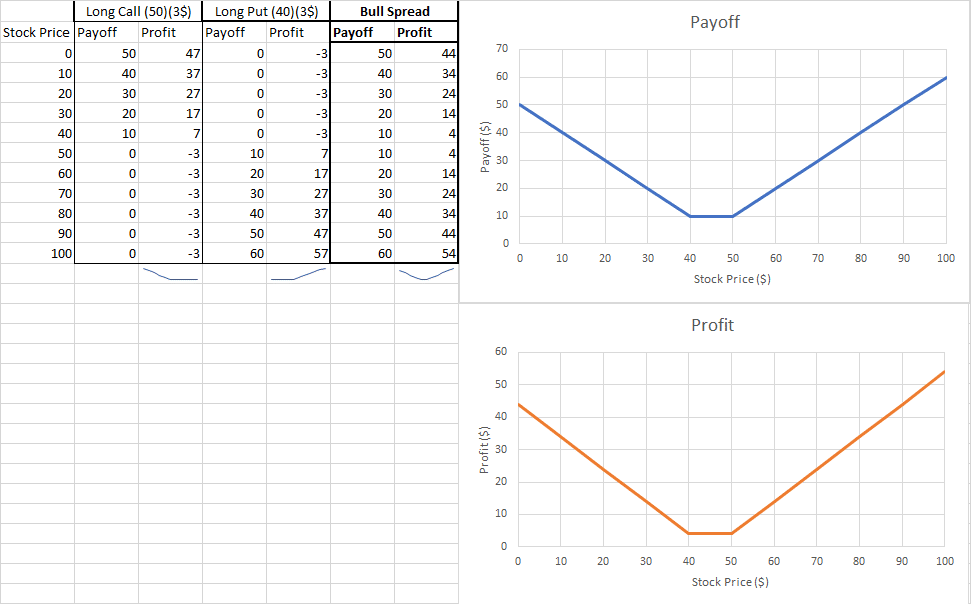
Balanced Budget

If the government’s spending exactly matches its taxation, it has a “balanced budget”. If the government has a balanced budget, the total national debt will actually decrease, because part of that balanced budget needs to include payments on all the old debt that has accumulated.

Cutting Taxes to Fuel Growth

One of the constant political “hot topics” is whether to cut taxes to fuel growth. If we look at the “Sledgehammer and Scalpel” view of fiscal policy, this makes sense – putting more money into people’s pockets will drive growth across the economy.

It gets muddier the tax laws have become more complex. “Cutting Taxes” is not applied evenly, and there is a constant debate between economists as to what types of tax cuts can cause a bigger economic boost than drain on government resources, and a second debate between politicians about which types of tax cuts is more equitable to society as a whole.

For example, in December of 2017, the Senate passed a proposed modification to the tax code – the bill was over 400 pages long, with hundreds of specific conditions, stipulations, and ways to be implemented. This makes it very difficult to determine its exact impact on the entire economy, with many conservatives arguing that it will drive long-term growth across the entire economy, and many liberals arguing that it will cause benefit to a smaller group of individuals at the expense of others. Most people have a strong opinion of the legislation in one direction or the other, but economic researchers do not have any consensus for a final verdict.

Managing Growth and Deficits

Fiscal policy is not the same as personal finances – people tend to react strongly to the “total debt” number, and consider it dangerously high. Why don’t we try to pay off all the national debt?

The reason the government maintains a high national debt is the same reason profitable companies like Apple (AAPL) has billions of dollars of its own debt – paying off the debt will pull money out of other things it could be used on, like fueling future growth. If the government were to massively raise taxes or massively decrease spending to try to “pay off” a huge percentage of the national debt, it just means that money is extracted from the economy, and evaporates into nothing. Bond holders are not clamoring to get their “money back” – bond holders buy bonds because they want the fixed, regular, payments over the life of the bond.

How Much Debt Is Too Much?

With any person or company, “too much debt” would be the point where they can no longer afford to comfortably make payments. When looking at Fiscal Policy, the same reasoning applies. Everyone knows that the federal debt is climbing, but how has this changed the government’s ability to repay that debt?

To find out, we can look at the “Interest as a Percent of Gross Domestic Product”, or taking the total interest that the government needs to pay on the National Debt, and dividing it by the GDP. You can find this information from the St. Louis Federal Reserve’s research portal.

FRED graph

During World War II, you can see there was the first spike – this was all the extra wartime borrowing done to pay for the war. There was a second spike in the 1980’s and early 1990’s towards the end of the Cold War, but the in the mid-1990’s, the ratio sharply fell (this was during those 4 years mentioned above, when the Federal Government ran a budget surplus from 1997 through 2001). Otherwise, the ability for the government to repay its debt has not changed much over the last 50 years – interest payments generally hover between 1% and 1.5% of GDP.

Schedule a call

Get PersonalFinanceLab

This lesson is part of the PersonalFinanceLab curriculum library. Schools with a PersonalFinanceLab.com site license can get this lesson, plus our full library of 300 others, along with our budgeting game, stock game, and automatically-graded assessments for their classroom - complete with LMS integration and rostering support!

Learn More

[qsm quiz=171]

The “Time Value of Money” is one of the most important concepts in economics, investing, and business. For individuals, this determines how much you save and spend. For businesses, it determines how quickly they try to expand. For investors, it decides the mix of a portfolio.

What is the Time Value of Money?

“Time is money” – this can be more literal than you think. Basically, having $5 in your pocket today is worth more than getting $5 tomorrow. Over one day that value difference might not mean much, but as the length of time increases, so does the value of time.

For example, imagine a friend asks to borrow $100. If they return it tomorrow, you would probably not ask for any interest – knowing you helped out a friend is greater than the time value of $100 for one day. If the friend cannot pay it back for a month, then the time value is greater – you might ask for an extra $5 for the loss of your cash for that time. The exact time value of money is determined by two factors: Opportunity Cost, and Interest Rates.

Opportunity Cost with Individuals

bengalWhenever you buy something, the “dollar cost” is the actual money you spent on the purchase, but you lose more than just money when you spend it. You also lose the potential to spend that money on something else – this is what is known as the “Opportunity Cost”.

Imagine you want to take a trip to Japan. You save up $2,000 to have an awesome trip that you will remember forever, and are preparing to buy the plane ticket. Unfortunately, you get distracted while looking up airfare, and instead watch cat videos for the next 6 hours. During one of the videos, you see an adorable Bengal Kitten, and immediately fall in love – you absolutely must adopt one! You look up local kitten breeders, and see that getting yourself a cuddly spotted Bengal kitten will cost….

$2000 (including all the pet food and supplies you’ll need).

Opportunity Cost and the Time Value of Money

At this point, you have a choice – go back to booking your trip to Japan, or contacting the breeder to buy a kitten. Either way you will spend the $2000, but choosing one also means giving up the opportunity to have the other. This is the root of Opportunity Cost – doing one thing will always close the door on doing a bunch of other things (at least at the same time).

This is where the time value of money comes in. With our first example, you were faced with lending your friend $100. Even if he or she pays you back quickly, you still lose the ability to use that $100 for yourself until they do.

Time Value of Money and Personal Finance

Your own personal time value of money is what determines how much you spend and save. This is the Japan versus Kitten problem that you face every day: whatever you spend today, you cannot save up for a bigger (and potentially better) purchase in the future.

This has some really interesting impacts on your every-day life. People who have a very low Time Value of Money have a very easy time saving – whether they get something today or tomorrow does not make a very big difference, so it is easier to put off purchases. Every time a purchase is put off for later, it means there is a little bit more money in their bank account today – putting off enough purchases for long enough means a fat bank account, and the ability to buy something really big. If you know someone who seems to effortlessly save money, this is the reason why!

On the other hand, people with very high time values of money have a much harder time saving. They know that if they spend the weekends at home watching old movies will mean more money in the bank later for something really big and cool, but it is harder to sacrifice going out with friends or buying smaller things today. Most people have higher Time Values of Money – which is why it is important to use dedicated savings strategies and goals to build wealth before you get the chance to spend it!

Time Value of Money and Business

Businesses face the same balance every day – managers, executives, and employees all have their own ideas about what can be the next-biggest way to generate a profit, but there are only so many resources to go around. The “time value of money” becomes even more important, because being the first company to offer a new product will give a huge advantage in the marketplace.

Technology War – Apple vs Microsoft

iphoneApple (AAPL) and Microsoft (MSFT) are some of the biggest corporate rivals in the world – every investment decision they make takes the other’s potential moves into consideration. In 2010, Apple was fresh off releasing the first generation of the iPhone – they were hitting about 4% of the total cell phone market, but earning about 50% of all the profits in the cell phone space.

At the same time, Microsoft had just released Windows 7, and was trying to repair its reputation after the previous version (Windows Vista) was very poorly received. Both of these companies were faced with huge potential risks and rewards:

  • Apple could put even more of its resources into developing better and faster iPhones and try to grow the smartphone market, or it could start putting a lot more resources back into its Desktop and Computers division to try to steal customers from Microsoft while they were still weakened from Vista.
  • Microsoft could put all of its resources into improving and marketing Windows 7 to continue to grow its market share on desktop and laptops, or it could switch gears and try to release a competing smartphone and steal some of Apple’s profits.

They could not have it both ways – both companies needed to choose the main focus of their business over the next few years, which would lose them the potential profits of going in the other direction.

Technology War Resolution

In the end, Apple focused on smartphones, while Microsoft focused on their Windows business. For the first three years, it looked like Apple was the clear winner – their stock price grew by 137%, while Microsoft fell by 3%.

AAPL and MSFT price - 2010 through 2012

However, in the 4 years since, fortunes have reversed. Apple’s market share of the smartphone market is no longer growing as it gets more competition from Samsung and Google, while Microsoft’s market share for computers continues to grow. From 2013 to 2017, Apple’s stock price rose at an impressive 161%, but Microsoft exploded by over 200%.

MSFT and AAPL stock price - 2013 through 2017

Interest Rates

It may sound impossible to calculate your time value of money if you are trying to sum up the potential to spend your money on anything, so economists generally use interest rates as a stand-in. In fact, this is precisely how low-risk bonds are priced – the bond yield is an interest rate, paying investors to borrow their money for a specified period of time.

Supply, Demand, Interest Rates, and the Time Value of Money

Interest rates work as a way to calculate the time value of money because they are determined by the market as a whole. The US Treasury will try to sell 30-year bonds to investors – investors will buy more bonds if the interest rate is higher (so they get a higher return). The treasury wants to pay as little interest as possible, but they still need to sell a certain amount of bonds, so they need to offer the lowest interest rates that investors will take.

At the same time, investors look at the interest rate offered on a bond, and compare that against everything else they could be investing their money with for the same period. If the markets are growing, investors see a lot of other investment opportunities that could pay a high return, so they force the interest rate on bonds to go higher. If the economy is shrinking, there are fewer good potential investment opportunities, and more investors are willing to settle for bonds at lower interest rates.

Time Value of Money and Investing

The Time Value of Money is also the core concept of investing – putting your money towards future growth instead of using it for consumption today.


Schedule a call

Get PersonalFinanceLab

This lesson is part of the PersonalFinanceLab curriculum library. Schools with a PersonalFinanceLab.com site license can get this lesson, plus our full library of 300 others, along with our budgeting game, stock game, and automatically-graded assessments for their classroom - complete with LMS integration and rostering support!

Learn More

[qsm quiz=170]

See our collection of personal finance, economics, investing, savings, business, math, and social studies lesson plans to kick start your class. Includes 15 customizable lesson plans – each lesson plan has several project ideas (individual activities, small groups, and whole class) that utilize Personal Finance Lab!

Short Put

What is a short put?

Recall that a put option is a contract where the buyer has the right (not the obligation) to exercise a sell transaction at a specific strike price before an expiration date. A short put is a term used when you sell a put option for an underlying asset.

A trader that has a short put option is also referred as a trader that wrote a put option. This means that the trader wrote this option contract with a belief that the buyer of the contract will not exercise it. If this happens, the writer will pocket the profits from selling the contract. If the buyer of the put option does exercise his rights, the writer must buy from him/her the shares, with respect to the specifications of the contract. In other words, an put option writer has an obligation to buy shares of the underlying contingent on the option buyer’s actions.

In the world of trading, a short position on a put option (“sell to open”) means that you sold a contract that gives the buyer of that contract the right to sell the underlying asset at a specific price, before a maturity date. If the buyer decides to exercise his right, you are obligated to purchase from him the shares with respect to the requirements that you have both agreed upon. It is important to note that the seller of a put option has no exercising rights. Thus, the only way to close this option contract would be to “buy to close” or cover the contract in question.

What are its components? Can you show me how to short sell a put option on ST?

The components of a short put are quite simple. You simply need to perform an order to sell to open an option contract based on your desired specifications:shortput1

When and why should I have a short put?

            You should short a put option if you expect the stock price to remain above the strike price. In a situation where the stock’s price is above the strike price, you will be able to pocket the premium, since the buyer did not exercise his right. Evidently, writing a naked put can be very risky should the price drop below the strike price. Traders write options to implement it to certain strategies that will be discussed later.

What does it look like graphically? What is the payoff and profit graph?

shortput2

What is the break-even point?

shortput3

Long Put

What is a long put?

A long put is a term used when you own a put option for an underlying asset. A put option is a contract where the buyer of the put has the right (not the obligation) to exercise a sell transaction at a specific strike price before an expiration date.

In the world of trading, owning a long put means that you have a contract that gives you the right to sell the underlying asset at a specific price, before a maturity date. Once the contract is exercised, the contract disappears and the underlying asset will be sold at the specified strike price. If you already have the asset in your open positions, it will be sold at the specified price. If you do not own the asset, the sell action will be expressed as if you have shorted the stock. The alternative of exercising would be to sell your contract to another trader on the market.

What are its components? Can you show me how to long a put option on ST?

The components of a long put are quite simple. You simply need to perform an order to buy to open an option contract based on your desired specifications:Longput1

When and why should I have a long put?

            You should have a long put option if you expect the stock price to go below a specific price, but would also like to have a cushion of protection. As an example, if you short sell the underlying asset and the price goes up, the loss will have a stronger impact on the underlying asset than on the contract.

What does it look like graphically? What is the payoff and profit graph?

Longput2

What is the break-even point?
longput3

Short Call

What is a short call?

Recall that a call option is a contract where the buyer has the right (not the obligation) to exercise a buy transaction at a specific strike price at expiration date. A short call is a term used when you sell a call option for an underlying asset.

A trader that has a short call option is also referred as a trader that wrote a call option. This means that the trader wrote this option contract with a belief that the buyer of the contract will not exercise it. If this happens, the writer will pocket the premium from selling the contract. If the buyer of the call option does exercise his right, the writer will have to sell him the shares, with respect to the specifications of the contract. In other words, a call option writer has an obligation to sell shares of the underlying asset, contingent on the buyer’s decision to exercise his rights.

In the world of trading, a short position on a call option (“sell to open”) means that you sold a contract that gives the buyer of that contract the right to buy the underlying asset at a specific price at a maturity date. If the buyer decides to exercise his right, you are obligated to provide him the shares with respect to the requirements that you have both agreed upon. It is important to note that the seller of a call option has no exercising rights. Thus, the only way to close this option contract would be to “buy to close” or cover the contract in question.

What are its components? Can you show me how to short sell a call option on ST?

The components of a short call are quite simple. You simply need to perform an order to sell to open an option contract based on your desired specifications:shortcall1

When and why should I have a short call?

            You should short a call option if you expect the stock price to remain below the strike price. In a situation where the stock’s price is below the strike price, you will be able to gain the premium, since the buyer did not exercise his right. Evidently, writing a naked call (without being the owner of the underlying asset) can be very risky should the price surges beyond the strike price. Traders write options to implement it to certain strategies that will be discussed later.

What does it look like graphically? What is the payoff and profit graph?

shortcall2

What is the break-even point?

shortcall3

Long Call

What is a long call?

A long call is a term used when you own a call option for an underlying asset. A call option is a contract where the buyer has the right (not the obligation) to exercise a buy transaction at a specific strike price at or before an expiration date.

In the world of trading, owing a long call means that you have a contract that gives you the right to buy the underlying asset at a specific price, before a maturity date. Once the contract is exercised, the contract disappears and the underlying asset will be part of your open positions at the specified strike price. If you had a short position on the asset beforehand, exercising this contract will be expressed as if you have covered your short position. The alternative of exercising would be to sell your option contract to another trader on the market.

What are its components? Can you show me how to have a long call in my open positions?

The components of a long call are quite simple. You simply need to perform an order to buy to open an option contract based on your desired specifications:LongCall1

When and why should I have a long call?

            You should have a long call option if you expect the stock price to go up, but would like to have a cushion of protection. As an example, if you own solely the underlying asset and the price goes down, the lost will have a stronger impact on the underlying asset than on the option contract.

What does it look like graphically? What is the payoff and profit graph? LongCall2

What is the break-even point?LongCall3

Short Stock

What is a short stock?

            A short stock is an expression used when you sold shares of a company that you did not own beforehand. Let’s say you expect a stock’s price to drop. Shorting a stock would involve a strategy where you borrow shares from another party (usually a broker) and sell it on the market. Borrowing from a third party implies that you will have margin requirements, which is cash set aside for the borrower’s protection on the asset. You would close this position by buying back the quantity of shares at a lower price, return the shares to the broker and pocket the difference as a gain (or a loss, if you purchased the stock at a higher price). Words such as “shares”, “equity” and “stock” all mean the same thing.

In the world of trading, being short on a stock means that you currently sold shares of a company and have a negative number of shares in your open positions. You would eventually bring back this number to zero by covering (buying back) these shares in the future.

What are its components? Can you show me how to short a stock on ST?

shortstock

            The components of a short stock are quite simple. You simply need to perform a short sell order to open a short position on a stock:

When and why should I have a short stock?

            You should short sell a stock when you expect the stock price to go down. In other words, you have a bearish position on the security.

What does it look like graphically? What is the payoff and profit graph?

shortstock2

What is the break-even point?

shortstock3

Long Stock

What is a long stock?

A long stock is an expression used when you own shares of a company. It represents a claim on the company’s assets and earnings. As you increase your holdings of a stock, your ownership stake in the company increases. Words such as “shares”, “equity” and “stock” all mean the same thing. In the world of trading, being long on a stock means that you currently purchased shares of a company and have it part of your open positions.

What are its components? Can you show me how to long a stock on a trading platform?

LongStock

            The components of a long stock are quite simple. You simply need to perform a buy order to open a long position on a stock:

When and why should I have a long stock?

            You should have a long stock when you expect the stock price to go up. In other words, you have a bullish position on the security.

What does it look like graphically? What is the payoff and profit graph?

What is the break-even point?

longstock2