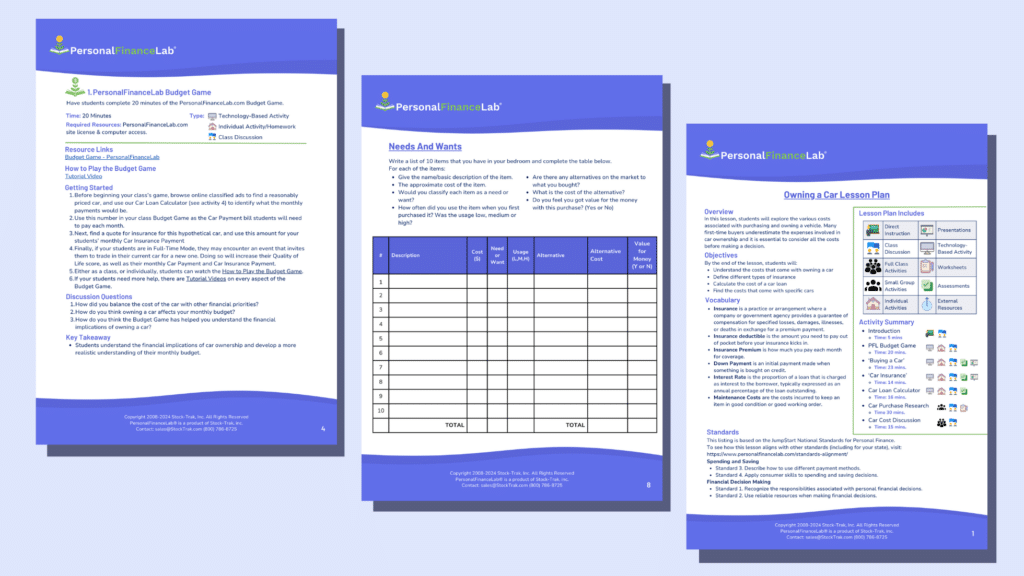
Graduation is a thrilling milestone—but what comes after the tassel flip? Whether students are heading into the job market or continuing education, planning ahead is key. That’s why the “What’s After Graduation?” lesson plan from PersonalFinanceLab is such a powerful tool.
Clear options laid out: The first part breaks down the two main paths—entering the workforce immediately or pursuing further education and how each affects future career opportunities.
Hands-on career exploration: Students dive into activities like identifying “Dream Jobs,” researching required education and skills, and analyzing career clusters to understand their fit.
Engaging classroom activities: With group discussions (“Work vs Study” decision-making), quizzes, and guided presentations, the lesson supports both independent and collaborative learning.
How to Use in Your Classroom or Blog
Introduce life choices: Start with a short discussion—ask: What could you do after graduation?
Set the stage with the PDF: Guide students through defined options, vocabulary, and lesson objectives.
Play the Budget Game: Let learners experiment virtually with budgeting, gains, and occasional setbacks.
Encourage reflection: Students choose their dream job, research the career path, and share their findings.
Wrap up with insights: Discuss what influences their choices—cost, time, skill, or lifestyle—and help them chart personal next steps.
This project comes recommended from Leesa Hudak from Bow High School in New Hampshire. Learn more about Leesa’s classes in our case study!
Objective:
Students will build and manage a stock portfolio over the course of a semester, making investment decisions based on research, market trends, and risk assessment.
Project Guidelines:
Starting Funds:
Each student begins with $100,000 in virtual cash.
A weekly deposit of $2,000 in cash will be added to their portfolio.
Students may not have more than $2,000 in cash at any time.
Investment Rules:
It is recommended to invest in at least 3 different sectors (e.g., Technology, Healthcare, Energy, Consumer Goods, Financials, etc.).
Must hold at least 5 different stocks at all times. Research on these stocks must be submitted before any trades can be made.
Stocks can be bought and sold throughout the semester.
No single stock may comprise more than 30% of the portfolio’s total value at any given time.
Research & Strategy: This will be done as a homework assignment BEFORE the competition begins.
Students must research each stock before purchasing, justifying their investment based on:
Company financials
Recent news
Market trends
Potential risks & rewards
They should define an investment strategy (e.g., growth, value, dividend investing).
Note: our Stock Comparison Tool is an excellent way to introduce students into how to start their research!
Final Report & Presentation:
At the end of the semester, students will submit a final report including:
Summary of investment philosophy
Summary of initial investments and reasoning behind each investment
Weekly performance overview
Key learning experiences
Final portfolio value and performance analysis
A 5-10 minute presentation summarizing their experience, wins, losses, and key takeaways.
Evaluation Criteria:
20 points: 1. Your portfolio return must be within 5% points of the S & P 500 by the end of the competition. The 5% is based on the starting value of the S & P (5, 608.36) vs the ending value of the S & P. Portfolios that BEAT the S & P 500 will receive 1 point for every 3% that the ROI is greater than the S & P
Your portfolio must be within the parameters of the competition in order to receive ANY of these points.
This portion of the project is time sensitive and, therefore, a reassessment is not possible.
2. Weekly Check-Ins: NOTE: Weekly check-ins will be done throughout the semester as homework assignments and are not part of the project grade.
5 points per week: for staying within the parameters (weekly check in to check cash balance and minimum of 5 stocks). Weekly check in will take place at the beginning of the last class of the week.
Ready-to-Use Classroom Resources
Check out our investing lesson plans that include Leesa’s Stock Portfolio Project, and other hands-on individual and group activities you can use with your class.
Opportunity cost is one of the most essential concepts in economics and personal finance—and one of the most useful for students to understand early on. To help bring this idea to life in your classroom, we’ve created a downloadable lesson plan that’s simple to implement and built for engagement.
A student-friendly definition of opportunity cost with everyday examples
Classroom activities designed to encourage critical thinking
A printable worksheet to reinforce learning
Ideas for discussion, group work, and take-home assignments
This lesson is ideal for middle and high school students, and it aligns with national standards for personal finance and economics.
Whether you’re introducing the concept for the first time or looking to supplement your existing curriculum, this resource is a great way to help students think more deeply about the trade-offs they make every day.
Enjoyed this lesson? Check out our full library of classroom-ready resources—perfect for bringing personal finance and economics to life in your class.
Interview with Leesa Hudak, a High School Finance and Economics Teacher at Bow High School in New Hampshire.
Overview
In this case study, we explore how a high school teacher the PersonalFinanceLab Stock Game to deepen financial literacy and economic understanding across multiple classes, ranging from introductory finance to advanced investing. Through long-term simulations, student-created rules, and differentiated assignments, students not only engage with real-world market trends, but also build analytical and critical thinking skills.
Implementation
Leesa creates separate simulations for each subject she teaches, one for basic personal finance, another for finance classes, and another for economics. Each simulation is tailored to fit the course content and classroom expectations, with different rules and levels of required activity. While many of her students are in semester-based courses, she adjusts participation accordingly, sometimes removing students at the semester break or allowing them to continue through the full year. “It’s fun for them to compete against more than just the students in their classroom,” she explained.
To help students get started, Leesa incorporates the Stock Comparison Tool as a key class activity. This tool allows students to research and compare companies side-by-side, making it easier to decide where to invest their initial funds. All students must invest in a minimum of five companies, a requirement that sparks discussions about diversification and exploring different economic sectors.
Introductory and Econ Classes
In introductory personal finance classes (Money Matters and Personal Finance I), the setup is simple:
Students must purchase at least five companies.
They can’t invest more than $500 in any one stock.
Fractional shares are allowed.
The focus is on understanding diversification and “buying what you know.”
To help students get started, Leesa leads a classroom activity where students list every product they used that day, then categorize those into sectors. This generates ideas for portfolio picks based on familiar brands and behaviors.
In economics classes, the stock simulation is used lightly. While it’s not a core focus, she occasionally incorporates major economic events into class discussions, such as Fed meetings or tariff news, and helps students connect those events to their portfolios.
Advanced Finance and Investing Courses
For more advanced classes, like Finance I, Finance II, and a dedicated Stock Market & Investing course (all with an introductory personal finance class as a prerequisite), Leesa creates separate sessions with more complex rules. In these, she enables advanced settings like:
Weekly cash deposits (a popular feature with students)
Limits on cash holdings (students must keep cash under $2,000)
Diversification limits (no single stock can exceed 25–30% of the portfolio)
One key project required students to develop their own investing philosophy before making any trades. She prompted them to consider questions like, “What are you looking for in a stock? What makes you choose one over another?”
Student Engagement & Rule-Making
A standout feature of Leesa’s investing classes is that students help create the rules. She proposes the overall project structure, then lets students decide on detailed guidelines, like portfolio balance rules and performance benchmarks.
“We picked the S&P 500 as our index and gave a 3% grace. If their portfolio finishes within 3% of the S&P, they get full credit on one of the components of the project. If they beat the S&P, they can earn additional points. So they’re really paying attention to that index.” Leesa explained.
Weekly trading is a required component, and students submit short weekly updates. These updates not only describe their trades but also reflect on portfolio performance and link it back to economic trends or individual strategies. These reflections prepare students for a final presentation at the end of the semester.
Classroom Tools and Features Used
Widgets and Rankings: Students don’t usually see each other’s portfolios directly (by choice—it’s “a little cut-throat,” Leesa noted), but they do love checking the leaderboard and celebrating top performers during weekly class sessions.
Ticker Tape in Class: Leesa recently added a live market ticker to her classroom, which has sparked more interest and daily engagement.
Admin Tools: She makes use of the “User Summary Report” to monitor students’ weekly trading and cash balances.
Conclusion
Leesa emphasized that giving students ownership of the rules dramatically increases their engagement, especially in advanced classes.
For entry-level students, she finds that tangible dollar amounts (like $1,000) might be more meaningful than traditional starting points like $100,000. However, the flexibility to buy high-priced stocks or fractional shares helps balance realism with opportunity.
She does not assign PersonalFinanceLab’s built-in trading notes for most students. Instead, she uses custom weekly updates, especially in advanced classes, where they tie into final projects.
Her students greatly enjoy the competition, and it’s clear that the real-world application of concepts through PersonalFinanceLab has deepened both their engagement and understanding of the stock market.
If you want to learn more about how Leesa structures her class stock game, you can find her Stock Portfolio Project and grading criteria in our companion blog post!
Picking up some extra cash in today’s gig economy is a financial reality that most young adults at least consider at one point or another – and having the option to pick up some extra cash can be a life-saver (and budget savior).
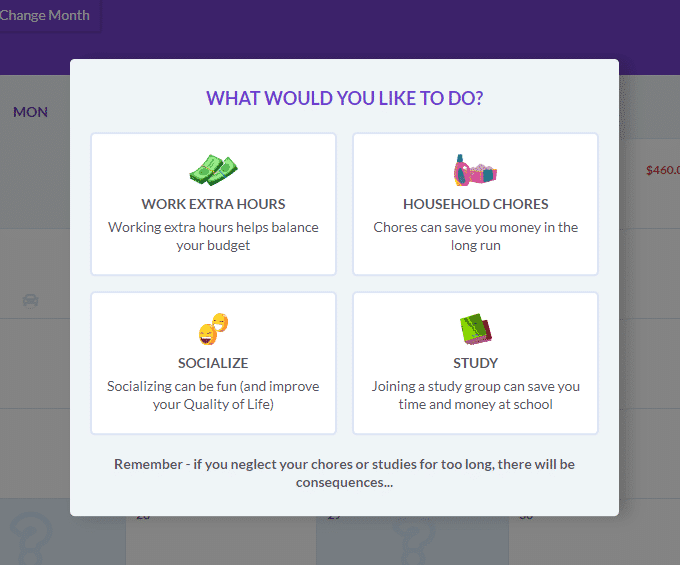
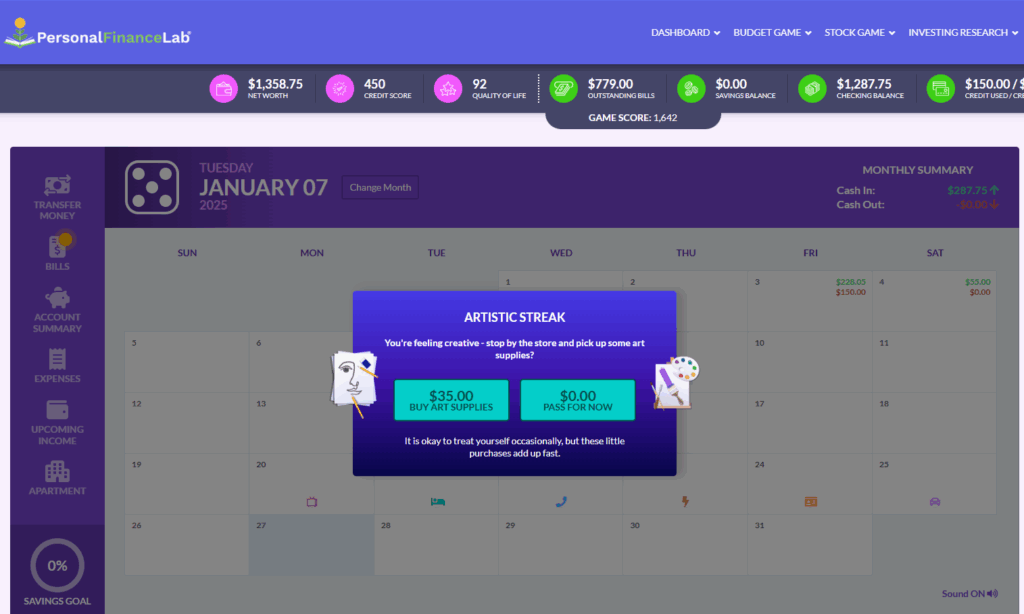
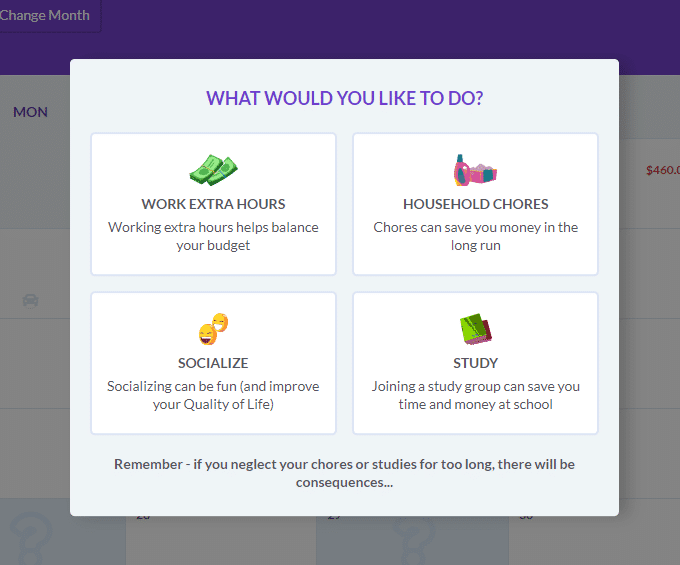
Our budgeting game captures this in our Weekend Choice – players have the option to Work Extra Hours on the weekend to make some extra cash to help reach their savings goals.
If players choose to Work Extra Hours, they will have two options: our classic Slide Puzzle Game, or our new Cafe Mini-Game!
How The Game Works
The Cafe mini-game is only available while students are in part-time mode (in which they already work in a cafe as their primary job). The scenario is that they are taking an opportunity to pick up an extra shift at work – they need to wait on tables to earn tips by delivering orders to tables who request them, and taking dirty dishes back to the kitchen to free up a table after a customer has left.
The player earns cash every time they successfully deliver food to a table. They also need to bring dishes back to the kitchen – there is no earning for bringing back dishes, but the table will not be “free” for another customer until it has been cleaned.
Players try to earn as much as they can during their 1-minute “shift” – and their earnings are added to their next in-game paycheck.
Unlike our other mini-games, there are no other bonuses or special points earned from Working Extra Hours – it is simply cash earned that will help make reaching savings goals easier for this month.
The Cafe Game joins the Comparison Shopping and Wealth Whiz Quiz mini-games to keep students engaged as they play through each month of the simulation.
If you want to try any of our mini-games, but your school does not yet have a license for PersonalFinanceLab, you can sign up for our Teacher Test Drive to give it a spin!
Knowing how to manage one’s time is as important as managing money – which is the cornerstone of our new “Socializing” mini-game in our personal budgeting game!
How The Time Management Game Works
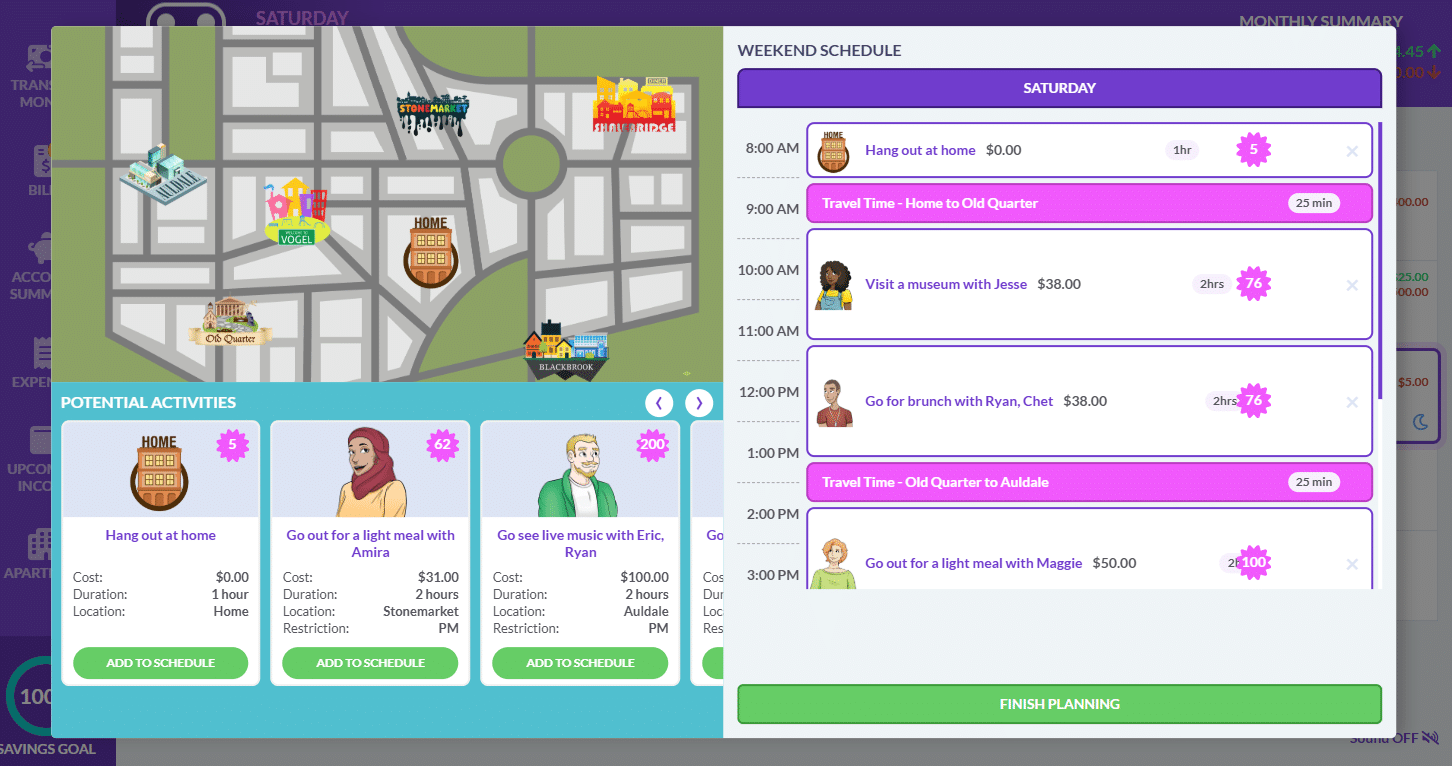
The Time Management game launches as part of our Weekend Events, triggering when a user chooses to Socialize with their friends on the weekend.
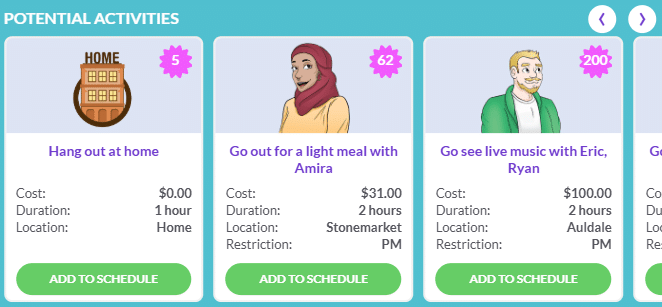
This game is all about choosing how to spend a Saturday with friends. They will have a variety of different events they can choose form, scattered across different neighborhoods of the “city” of the game.
Different types of events are available, located in different neighborhoods (and with different costs to participate). The user can build up their weekend schedule with as many, or as few, events as they wish!
Game Scoring
The Time Management game does not strictly have a “correct” or “incorrect” way to play. As this figures directly into the rest of the Budgeting aspect of the Budget Game, how they choose to spend their weekend (and which activities are going to cost them the most to participate in) will have a big impact on their monthly budget.
Events give students Quality of Life points equivalent to 1.5 times their cost to participate (whereas spending in other parts of the Budget Game typically only gives 1 point per dollar spent).
Each event has its own duration – between 1 and 4 hours.
Travelling from one neighborhood to another takes time (greater time the farther apart they are). This means smart planning on events nearby means more events can be scheduled – and more points earned!
Some events can only be done in the morning or afternoon – planning around friend’s availabilities (and making travel route planning more complicated!)
If some of the available activities look to pricey (or too time-consuming), there is also the option to relax at home for free – which still grants a small boost to their Quality of Life (since they are relaxing – not burning out Studying or Working Extra Hours)
This magnifies one of the core concepts of the budgeting game: the trade-off of spending money with friends and events (improving the player’s Quality of Life) versus choosing less expensive entertainment options – but making it easier to reach their personal savings goals.
The Time Management Game joins our Comparison Shopping, Wealth Whiz Quiz, and Cafe Worker mini-games as the 4 available mini-games available at the end of each “week” of the game. Each game offers a different challenge – and a different potential bonus – giving students a reason to vary their weekend routine!
If you want to try either of our mini-games, but your school does not yet have a license for PersonalFinanceLab, you can sign up for our Teacher Test Drive to give it a spin!
When we think of personal finance, it’s easy to box it into one neat academic category: economics. But money—how we earn it, spend it, save it, and think about it—intersects with nearly every part of our lives. So why limit it to just one classroom?
By weaving personal finance into subjects across the curriculum, schools can prepare students not just to ace their tests, but to make smarter decisions in the real world. Here’s how personal finance naturally fits into the broader school experience:
🧮 Math: More Than Word Problems
Personal finance builds directly on the math students already learn. Calculating interest rates, budgeting expenses, comparing discounts, or understanding loan repayments—all of these bring math to life. Financial concepts make classroom math practical, helping students connect equations to real-world consequences.
📜 History: From Barter to Banking
The history of money tells us a lot about the evolution of society. Students can explore the barter system, the creation of currencies, the rise and fall of economies, and the impact of financial crises like the Great Depression. These topics show how money has always shaped—and been shaped by—human behavior and policy.
🌍 Geography: How Location Affects Wealth
Geography classes explore natural resources, trade routes, and economic disparities between regions. Adding a financial lens helps students understand how where you live affects access to jobs, housing, education, and more. It’s a natural fit that deepens geographic thinking.
🏛 Social Studies: Class, Privilege, and the Wealth Gap
Social studies invites students to think critically about systems, power, and fairness. Examining systemic poverty, wealth distribution, and the economic impact of public policy helps students see how financial systems affect lives—especially in marginalized communities.
❤️ Health: Health Is Wealth
There’s a strong connection between financial stability and overall well-being. In health class, students can explore how financial stress impacts mental health, how food choices are shaped by income, and why the cost of care is often a barrier. Financial literacy is key to understanding personal health.
💼 Business & Tech: Tools for the Real World
Business and tech classes are natural homes for deeper financial learning. Topics like taxes, credit, budgeting, and entrepreneurship give students a strong foundation for the workplace and beyond. It’s a great place to explore how money works in both traditional and digital economies.
🎨 Arts: Budgeting for Projects
Even creative classes can benefit from financial literacy. Whether managing the budget for a school play, purchasing materials for an art project, or exploring the economics of the music industry, students gain skills that help turn passion into sustainable practice.
🎓 Financial Literacy: A Skill for Every Student
Not every class needs to teach money management—but every student deserves to leave school with a basic understanding of how money works. By integrating personal finance across the curriculum, schools show students that financial literacy isn’t an add-on. It’s essential.
✅ Take the Next Step
Looking to bring personal finance into your entire school curriculum? Learn how PersonalFinanceLab supports cross-subject integration and helps students build real-world skills.
Many students are excited to earn their first paycheck, but it often comes as a surprise when that paycheck is smaller than expected. This is a great opportunity to introduce the topic of taxes in a way that feels relevant to their lives.
Why It’s Important for Students to Learn About Taxes
For many students, taxes can seem confusing and full of unfamiliar terms like “W-4” and “withholdings.” But learning about taxes early can help them feel more confident and better prepared when they start working.
By understanding the basics of taxes, students can:
Know what to expect on their paychecks
Avoid mistakes like underpaying or overpaying taxes
Learn how to file their own tax returns
Start building smart money habits
How PersonalFinanceLab Helps You Teach Taxes
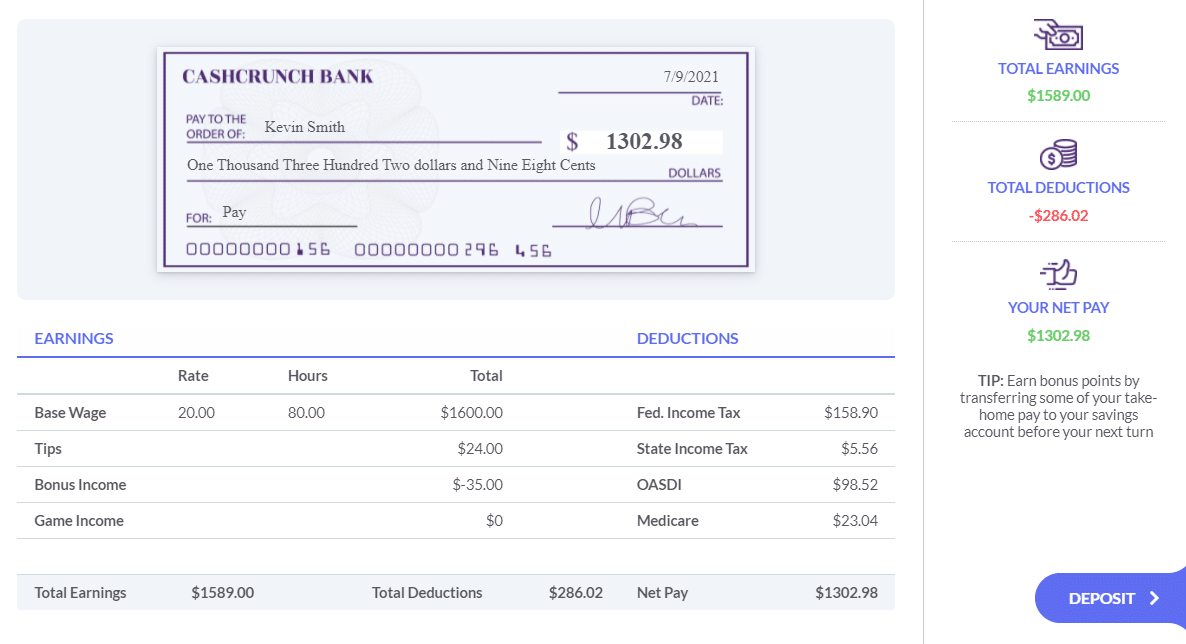
First up, as students play through our Budgeting Game, they will see their tax withholdings on every paycheck.
Beyond the games themselves, we also provide interactive lessons and tools that make taxes easier for students to understand. You don’t need to be a tax expert to teach this topic. Our platform is designed to support teachers and guide students through real-world examples.
Try Our Interactive 1040 Simulation
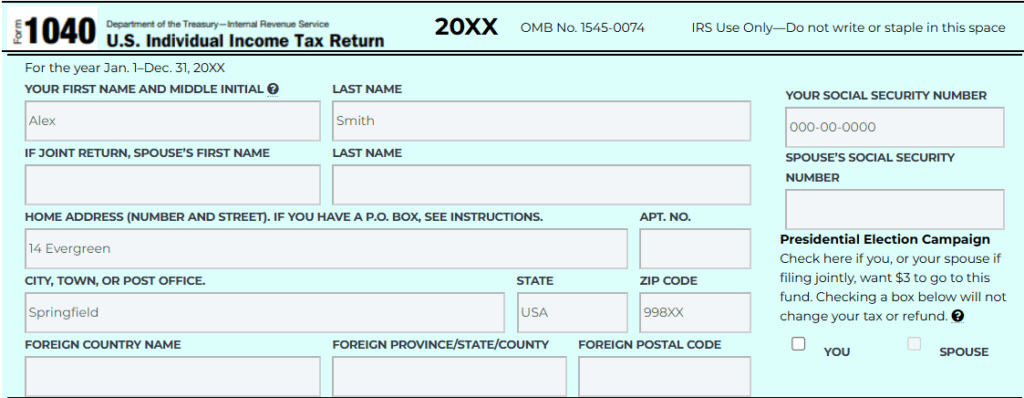
One of our most helpful tools is the 1040 Tax Form Simulation. This lets students practice filling out a federal tax return in a simple, step-by-step format. It shows them how income, deductions, and refunds all connect.
For shorter activities, we also have interactive “Hotspot” images you can share, for both a pay stub and the 1040 form. It gives students a clear breakdown of what each section means, using language they can understand.
Tips for Filing Your Taxes (Without the Stress)
Tips You Can Share With Your Students
Here are a few simple tips you can pass along to students filing taxes for the first time:
Use free filing tools. The IRS and tax software companies offer free or discounted versions for young adults and students.
Gather documents ahead of time. Encourage students to have their W-2s and other forms ready before they begin.
File online. E-filing is faster and more secure, and using direct deposit means students get their refunds quicker.
Ask for help. Remind students that parents, teachers, or VITA volunteers can offer support if needed.
Don’t wait until the last minute. Filing early helps avoid stress and delays.
Make Taxes Part of Real-World Learning
Understanding taxes is an important part of financial literacy. With the right tools, students can learn how taxes work and feel more confident when they start earning and managing their own money.
Explore More at PersonalFinanceLab Visit PersonalFinanceLab.com to access our tax lessons and simulations. These resources are ready to use in your classroom and designed to help students build essential money skills.
Financial literacy is more than a checklist of topics, it’s a lifelong skill that students must internalize through active engagement, decision-making, and reflection. At PersonalFinanceLab, we believe that the best way to teach financial concepts is by letting students live them — virtually, of course — in safe but realistic simulations that mirror the financial world they’ll enter after graduation.
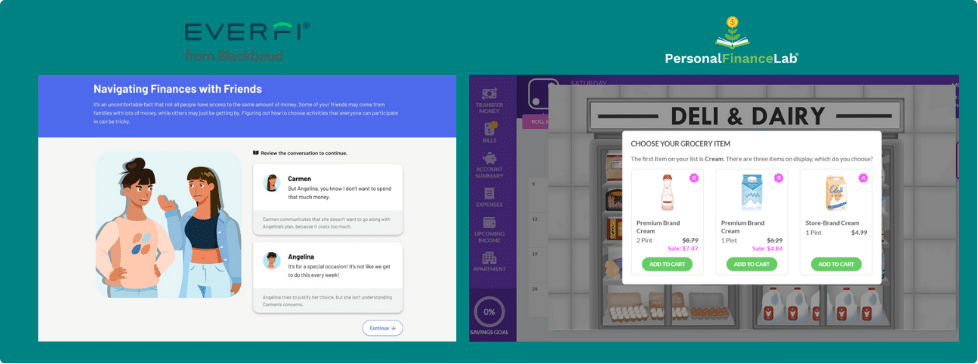
We often get asked how PersonalFinanceLab compares to other platforms like Everfi®. While Everfi offers useful digital lessons across a wide range of topics, many of which are free for schools, the real question isn’t just what topics are covered, but how deeply students practice and retain what they’ve learned. And that’s where PersonalFinanceLab excels.
Core Philosophies: Passive Learning vs. Active Mastery
Everfi is built around bite-sized, self-contained modules that serve as great introductions to topics like budgeting, investing, and paying for college. These are designed to be completed quickly, often in a single sitting, with pre- and post-quizzes to gauge understanding. There is no doubt, it’s efficient and accessible.
However, at PersonalFinanceLab, our goal goes far beyond exposure. We’re focused on mastery through repeated practice. Our platform revolves around immersive simulations like the Budget Game and Stock Market Game, where students make dozens (sometimes hundreds) of financial decisions that mirror real life. From paying rent to juggling savings goals and surprise expenses, students experience what it really feels like to live on a budget.
Budgeting: Where Real Learning Happens
When students use Everfi to learn budgeting, they often walk through pre-scripted scenarios, these are helpful, but abstract. At PersonalFinanceLab, budgeting comes alive through our virtual year-long simulation. Students take on part-time jobs, pay bills, deal with emergencies, and see the direct impact of their decisions on key metrics like their Credit Score, Net Worth, and Quality of Life.
And teachers? They see those “lightbulb moments” happen when students realize, for example, how missing a payment hurts their credit, or how skipping savings one month sets them back later. This kind of sustained engagement is simply not possible in standalone modules.
Investing: From Vocabulary to Real-Time Markets
Everfi introduces students to the concepts of investing through static examples and multiple-choice questions. Students might analyze a fictional character’s portfolio and decide what stock “Dax” should buy. It’s a good way to explain diversification, sure — but students never actually feel invested.
PersonalFinanceLab’s Stock Market Game, by contrast, drops students into the real-world market. They manage their own portfolio using live market data, make their own trades, and use integrated research tools to analyze companies, just like a real brokerage. They see their rankings shift throughout the day, prompting questions, research, and genuine curiosity. It’s experiential learning at its best.
Curriculum Depth and Integration
Everfi boasts a wide range of standards-aligned modules, and we respect that. But at PersonalFinanceLab, we pair 300+ self-grading lessons with simulations that make every concept stick. Lessons on “Pay Yourself First” or “Diversification” are immediately applied in the games and students can even transfer funds from their Budget Game savings into their Stock Game portfolios. This seamless integration of curriculum and action is a major advantage for long-term skill building.
Teacher Tools: Customization that Works for You
One of the biggest differences? Control.
Everfi is plug-and-play, and that’s great when you need something quick. But it offers virtually no customization beyond choosing which modules to show students.
PersonalFinanceLab was built for teachers who want to be in charge of their classroom. You can customize everything: game settings, trading rules, types of securities, savings goals, interest rates, and even how students earn in-game rewards for completing assignments. You can decide exactly how long the games run, what students see, and how they’re assessed. Our pre/post testing works across the entire experience, not just per lesson, giving you a big-picture view of your students’ growth.
So, What’s the Bottom Line?
Everfi gives you a solid introduction to financial topics. If you need fast, free, and easy — it’s there.
But PersonalFinanceLab is the solution when you’re ready for students to go deeper, to practice skills over time, and to develop real financial habits before they leave your classroom.
Hands-on simulations that mirror real life Real-time stock trading using real market data Deep curriculum integration with assignments and assessments Full customization to fit your classroom needs
When you want your students to not just learn about money, but to actually learn to manage it — PersonalFinanceLab is built for you.
To bring these concepts to life, our cast of characters has been showing up across our games, videos, and lessons for the last year. These characters have their own personalities and attitudes about money, which helps students see how financial concepts play out in the real world.
Model Portfolios for Financial Literacy Month
To help kick off our Financial Literacy Challenge for the 2025 Financial Literacy Month, we wanted to formally introduce our cast of characters. Each character has also put together their own portfolio for the Stock Game portion of the Challenge – and are happy to explain how and why they made their picks.
If your students are struggling to make their first trades, our cast can help! Each cast member has 3 ETFs or mutual funds in their portfolio, 4 stocks they bought, and 3 stocks they shorted. They all also share their reasoning of why each holding belongs in their portfolio – giving great rationale for students to refer to as they build their own portfolios!
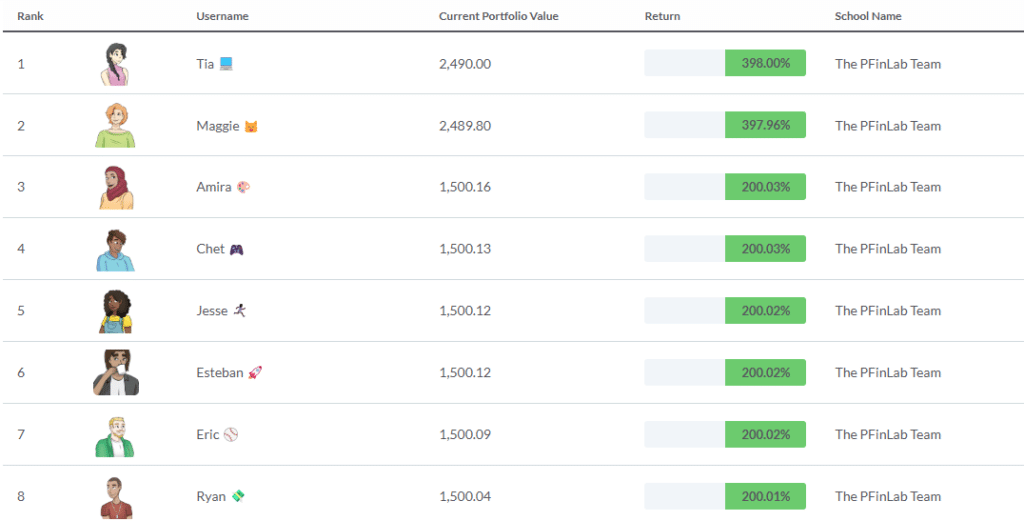
Each of the Cast Members will appear in the Stock Game Rankings for the Financial Literacy Challenge, so students can see how they perform against each of these model portfolios!
Meet The Cast
Chet
Chet is a laid-back and carefree individual who lives in the moment, often prioritizing short-term pleasures over long-term consequences.
Tia is a meticulous and analytical individual who thrives in the world of numbers and technology, always seeking to optimize her life. She could spend hours doing puzzles or complex math-based games.
Eric is a rugged and energetic handyman who thrives on action and competition, always looking for the next challenge or project to tackle with his hands-on skills and booming personality. He used to play football in school, and now plays recreational softball on weekends.
Maggie is a sentimental and practical individual who values stability and security, often prioritizing comfort and familiarity over adventure and risk.
Esteban is fascinated by space since he was a kid. He loves reading and writing science fiction, and his dry sense of humor is loved by his friends and classmates (and tolerated by his teachers). He effortlessly gets good grades.
Jesse is a driven and resourceful individual who embodies the spirit of a true go-getter, always striving to achieve her goals and live life on her own terms. She is athletic and plays competitive volleyball.
Ryan is a charismatic and confident entrepreneur who effortlessly navigates the cutthroat world of high-stakes business deals with his quick wit, sharp instincts, and infectious charm.
Amira is a creative and empathetic individual who thrives in the world of art and self-expression, always seeking to inspire and uplift those around her.
We will be introducing students to the Cast throughout the challenge to help give tips, trading ideas, and help cement the core principles of financial literacy.
If you haven’t already encountered our Cast in our videos and mini-games, stay tuned as they make more appearances across our lessons and activities!
Ryan is a charismatic and confident entrepreneur who effortlessly navigates the cutthroat world of high-stakes business deals with his quick wit, sharp instincts, and infectious charm.
About Ryan
He can be described as:
Bold
Social
Business savvy
Isn’t afraid to be the “bad guy” in a business deal
His money habits are:
Tia is a master of budgeting and financial planning, always seeking to optimize her expenses and investments through clever life hacks and research.
She’s a fan of automating her finances, using apps and tools to streamline her savings and investments.
Tia is a bargain hunter, always on the lookout for deals and discounts.
She loves to buy and sell products on eBay.
She’s a firm believer in the power of compound interest, and is always looking for ways to maximize her savings and investments.
His goals and motivations are:
Tia’s short-term goal is to complete her education and become a certified math teacher, inspiring the next generation of math whizzes.
Her long-term goal is to create a comprehensive online resource for math education, providing accessible and engaging learning tools for students of all ages.
Tia has a secret love for competitive puzzle-solving, and often spends her free time solving complex math problems and brain teasers.
Ryan’s Investing Portfolio
Ryan’s investing portfolio is a mix of ETFs and stocks.
Ryan’s ETFs and Mutual Funds
ARK Innovation ETF (ARKK) – “This is all about disruptive technology. With my startup ambitions and drive to stay ahead of the curve in the tech world, this ETF would be a natural fit. It’s loaded with stocks that could revolutionize industries, like Tesla and CRISPR, which could give me both the high growth and excitement I’m looking for.”
SPDR S&P 500 ETF Trust (SPY) – “It’s hard to ignore the stability of the S&P 500. While I like to take risks, I’d still want a foundation of steady growth. This ETF gives me exposure to the top 500 companies in the U.S., and it’s a smart way to balance my portfolio while riding the growth of America’s leading businesses.”
VanEck Vectors Luxury Goods ETF (LUX) – “Given my weakness for luxury items—cars, watches, and suits—I’d definitely want to take advantage of the luxury goods market. This ETF focuses on global luxury brands like LVMH and Richemont. It’s a way to capitalize on a sector I’m personally invested in, while also diversifying my portfolio.”
Ryan’s Stocks
Tesla (TSLA) – “As someone who loves fast cars and thrives on disruption, Tesla would be a no-brainer. Elon Musk’s company is at the forefront of electric vehicles and renewable energy, and it has huge growth potential. Plus, owning a piece of Tesla would give me a front-row seat to the future of the automotive and energy sectors.”
Nvidia (NVDA) – “With my focus on tech innovation and the future, Nvidia’s position in the AI, gaming, and data center industries is exactly where I want to be. AI and machine learning are areas that I’d want to be heavily invested in, and Nvidia is a leader in this space with major upside potential as AI continues to take over.”
Square (SQ) – “As someone with business savvy, I’m always looking for innovative ways to disrupt traditional financial systems. Square, with its focus on simplifying payments and financial services for businesses, is a leader in fintech. With the continued rise of digital payments, Square is a stock I’d want to hold to capitalize on this booming sector.”
Ralph Lauren Corporation (RL) – “Ralph Lauren represents classic American luxury, offering high-end fashion, accessories, and home goods. The brand’s presence both in the U.S. and internationally makes it an appealing choice for me. Ralph Lauren’s ability to blend timeless style with modern luxury and its push into global markets make it a stock I want in my portfolio.”
Ryan’s Short-Sells
Netflix (NFLX) – “Netflix has been a leader in streaming, but the competitive landscape has become more intense, with services like Disney+, Amazon Prime Video, and HBO Max all making significant strides. Netflix’s reliance on increasing subscription prices while trying to fight off password sharing might lead to subscriber losses. Add to that the pressure from growing content costs and competition, and I’d consider shorting Netflix as it may face growth struggles in the future.”
Coinbase (COIN) – “The cryptocurrency market is notoriously volatile, and with recent regulatory challenges, I think Coinbase is facing an uphill battle. While crypto has its place, the uncertainty around regulations and market fluctuations make Coinbase a risky bet. I’d short-sell this stock, betting on the turbulence to weigh it down.”
Ryan Overall
Ryan has a focus on innovation and luxury – ventures that can be highly profitable, but can also be very risky. To keep himself grounded, he does keep the SPY ETF in his portfolio (giving him a wide, diversified base), but he might want to rebalance his portfolio quickly if bad economic news started making headlines.
Tia is a meticulous and analytical individual who thrives in the world of numbers and technology, always seeking to optimize her life. She could spend hours doing puzzles or complex math-based games.
About Tia
She can be described as:
Perfectionist
Analytical
Meticulous
Introverted
Reserved
Her money habits are:
Tia is a master of budgeting and financial planning, always seeking to optimize her expenses and investments through clever life hacks and research.
She’s a fan of automating her finances, using apps and tools to streamline her savings and investments.
Tia is a bargain hunter, always on the lookout for deals and discounts.
She loves to buy and sell products on eBay.
She’s a firm believer in the power of compound interest, and is always looking for ways to maximize her savings and investments.
Her goals and motivations are:
Tia’s short-term goal is to complete her education and become a certified math teacher, inspiring the next generation of math whizzes.
Her long-term goal is to create a comprehensive online resource for math education, providing accessible and engaging learning tools for students of all ages.
Tia has a secret love for competitive puzzle-solving, and often spends her free time solving complex math problems and brain teasers.
Tia’s Investing Portfolio
Tia’s investing portfolio is a mix of ETFs and stocks.
Tia’s ETFs and Mutual Funds
Invesco QQQ Trust (QQQ) – “Technology is the future, and I love the idea of investing in innovative companies that drive the tech world forward. QQQ gives me exposure to the NASDAQ-100, which includes major tech giants, and aligns with my interest in tech and optimizing things in the digital space.”
Vanguard Total Bond Market ETF (BND) – “I appreciate the idea of steady income and stability, so a bond ETF like this, which provides broad exposure to U.S. investment-grade bonds, sounds ideal. Bonds are generally less risky, and I value security in my investments, so this one fits my financial goals perfectly.”
iShares MSCI Emerging Markets ETF (EEM) – “I like to diversify my investments and take advantage of growth in emerging markets. EEM helps me achieve that, giving me exposure to developing economies that might offer higher growth potential over the long run.”
Tia’s Stocks
Apple (AAPL) – “I’m all about technology and innovation, and Apple is a leader in both. Their constant product upgrades and strong brand loyalty make it a solid long-term investment. Plus, with their consistent revenue and ability to generate cash flow, it aligns well with my strategy for steady growth and dividends.”
Microsoft (MSFT) – “Microsoft is another tech giant that I admire. Their focus on cloud computing and enterprise software is impressive, and I like how they’ve managed to adapt and stay relevant over time. The steady growth potential, coupled with a solid dividend, makes MSFT a perfect fit for my portfolio.”
Berkshire Hathaway (BRK.B) – “I value smart, long-term investing, and Berkshire Hathaway is the epitome of that philosophy. With Warren Buffett’s disciplined approach to value investing and the diversified nature of the company’s holdings, it’s an ideal stock for me to buy and hold for the long haul.”
Visa (V) – “Visa is one of the best stocks in the financial sector. I’m always looking for companies with strong competitive advantages, and Visa’s global network of payments and consistent profitability fit that bill. Plus, they benefit from the shift towards digital payments, which I believe will only grow.”
Tia’s Short-Sells
Tesla (TSLA) – “Tesla has experienced incredible growth, but I believe the stock is significantly overvalued at times, especially given the volatility and competition in the electric vehicle market. While Tesla is a leader, it faces increasing competition from both traditional automakers and new startups, which could impact its growth rate in the future. I am short selling because I believe the stock price is outpacing the fundamentals.”
Meta Platforms (META) – “Meta has been heavily investing in the Metaverse, but I’m skeptical about how quickly that market will develop. In the meantime, their core advertising business faces increasing competition, and regulatory pressures are growing. If I believe the stock is overestimating the potential of its long-term strategy, I’d consider short selling it, especially if the market sentiment shifts negatively.”
Tia Overall
Tia is focused on keeping diversified and making smart investments. Her holdings in QQQ (an ETF that focuses in NASDAQ, with a lot of tech stocks), Apple, and Microsoft give her a bit more risk with technology stocks, but she is somewhat offsetting this with her broad-range ETFs and other holdings.
Maggie is a sentimental and practical individual who values stability and security, often prioritizing comfort and familiarity over adventure and risk.
About Maggie
She can be described as:
Loyal
Helpful
Sentimental (keeping everything from old love letters to receipts from special occasions)
Frugal
Cautious
A bit of a pack rat
Her money habits are:
Maggie is a diligent saver, always setting aside a portion of her income for rainy days and long-term goals.
She’s not one to take risks with her money, preferring to stick with tried-and-true investments and savings strategies.
Maggie is good at living within her means, rarely splurging on big-ticket items or lavish expenses.
She’s always happy to lend a helping hand and is known for her thoughtful and practical gifts.
Her goals and motivations are:
Maggie’s short-term goal is to create a cozy and comfortable home for herself and her beloved cat, Luna.
Her long-term goal is to build a secure financial future, free from debt and financial stress.
Maggie is motivated by the desire to feel safe and stable, and to be able to help her friends and loved ones in times of need.
She loves to knit and make her own clothes, she’s craft and have made quilts, pillows, curtains and most of the cloth-based items in her home.
Maggie’s Investing Portfolio
Maggie’s investing portfolio is a mix of ETFs and stocks.
Maggie’s ETFs and Mutual Funds
Vanguard Dividend Appreciation ETF (VIG) – “I like the idea of companies with a strong history of increasing their dividends. This ETF is full of established, reliable companies that focus on steady growth. It fits with my cautious nature since it focuses on companies that are financially stable.”
Vanguard Total Bond Market ETF (BND) – “I appreciate the idea of steady income and stability, so a bond ETF like this, which provides broad exposure to U.S. investment-grade bonds, sounds ideal. Bonds are generally less risky, and I value security in my investments, so this one fits my financial goals perfectly.”
SPDR S&P 500 ETF (SPY) – “I’m not one to take crazy risks, but the S&P 500 is a solid, long-term performer. It’s a broad-market ETF that tracks the performance of 500 large companies in the U.S. This kind of stable, proven growth fits well with my long-term goals of financial security and building wealth for the future.”
Maggie’s Stocks
Procter & Gamble (PG) – “Procter & Gamble is a well-established company that provides everyday household products. It has a long history of paying dividends and is known for its strong brand presence and consistent earnings. I like that it’s a company I can rely on to stay steady, especially in times of economic uncertainty.”
Coca-Cola (KO) – “Coca-Cola has been a reliable stock for years. It’s a big name in the beverage industry and has a track record of consistent dividends. I prefer these types of stable companies that have stood the test of time. Plus, it’s one of those brands people trust, which makes it feel like a safe bet in my eyes.”
Johnson & Johnson (JNJ) – “This company is a solid, long-standing healthcare giant. It’s known for its stability, even during economic downturns. Johnson & Johnson also pays reliable dividends, which aligns with my preference for steady, predictable income. Plus, healthcare is a necessity, so I feel secure investing in it for the long haul.”
Walmart (WMT) – “Walmart is a giant in the retail sector and a company that has managed to adapt over time. It’s a consistent performer with a solid dividend history, making it a good choice for my strategy. Plus, in tough economic times, people still need to buy essentials, which adds a layer of stability to Walmart’s performance.”
Maggie’s Short-Sells
Tesla (TSLA) – “While Tesla has been a darling of the stock market for years, its volatility and the uncertainty surrounding its valuation make it a potential candidate for short-selling. The stock price has been extremely high compared to traditional valuation metrics, and there are risks related to its competition in the electric vehicle (EV) market, regulatory issues, and CEO Elon Musk’s unpredictable behavior. This could lead to a significant price correction, making it a potential short-sell pick for someone like me who’s more cautious and prefers stability.”
Meta Platforms (META) – “I’m wary of big tech companies like Meta because of their increasing regulatory scrutiny, privacy issues, and the growing backlash against their business practices. These challenges might negatively impact their long-term stability, and I’d consider short-selling their stock if I thought these problems would drive their value down over time.”
Maggie Overall
Maggie is not a risk-taker, and her portfolio shows it. She has a strong emphasis on broad-market ETFs and stocks that pay dividends – so she does not need to focus so much on the daily ups and downs of her portfolio.
Jesse is a driven and resourceful individual who embodies the spirit of a true go-getter, always striving to achieve her goals and live life on her own terms. She is athletic and plays competitive volleyball.
About Jesse
She can be described as:
Ambitious Practical
Health-conscious
Animal lover
Nature enthusiast
Calculated risk-taker
Her money habits are:
Jesse is a proactive and savvy investor, always on the lookout for opportunities to grow her wealth through calculated risks.
She’s a firm believer in living below her means, and is willing to make sacrifices in the short-term to achieve her long-term goals.
Jesse is a master of budgeting and financial planning, always staying on top of her expenses and investments.
She’s a fan of DIY projects and self-sufficiency, often taking on projects like gardening, canning, and repairing her own equipment to save money and reduce waste.
Her goals and motivations are:
Jesse’s short-term goal is to pay off her student loans and become debt-free within the next 5 years.
Her long-term goal is to achieve complete financial independence, allowing her to pursue her passions for health, fitness, and the great outdoors.
Jesse is motivated by the desire to be self-sufficient and free from financial stress, so she can spend her time doing what she loves – hiking, growing her own food, and caring for animals.
Jesse’s Investing Portfolio
Jesse’s investing portfolio is a mix of ETFs and stocks.
Jesse’s ETFs and Mutual Funds
Vanguard Total Stock Market ETF (VTI) – “This ETF provides broad exposure to the entire U.S. stock market, including small, mid, and large-cap stocks. I like this one because it’s a diversified, low-cost option that fits my long-term goal of wealth-building while minimizing risk.”
iShares MSCI Global Impact ETF (SDG) – “I’m passionate about sustainability and the environment, and this ETF invests in companies that are aligned with the UN’s Sustainable Development Goals. This would let me invest in companies that are focused on positive change, like those in renewable energy and health innovation.”
SPDR S&P 500 ETF (SPY) – “The S&P 500 has been historically a solid performer, and since I’m practical in my investment approach, I’d lean on this well-established fund for exposure to large-cap U.S. companies. It’s reliable, and I trust it will give me solid returns over time.”
Jesse’s Stocks
Peloton (PTON) – “Since I’m passionate about health and fitness, Peloton makes sense as a stock pick. The company is a leader in home fitness equipment and subscriptions, and with the ongoing trend toward health and wellness, I think it’s a strong contender for long-term growth in the fitness space.”
NextEra Energy (NEE) – “Renewable energy is something I’m really invested in, both personally and financially. NextEra Energy is one of the largest producers of wind and solar energy, and it’s a company that embodies the future of clean energy. This fits my value of sustainability and my interest in long-term, stable investments.”
Johnson & Johnson (JNJ) – “With my health-conscious mindset, I like the idea of investing in a company that focuses on healthcare products, medical devices, and pharmaceuticals. Johnson & Johnson is a stable, dividend-paying company that could provide steady returns while aligning with my values of improving overall well-being.”
Amazon (AMZN) – “Amazon is a no-brainer for me in terms of growth. It’s an e-commerce and cloud computing giant, and its influence continues to expand. While it’s a more traditional pick, I’d choose Amazon for its consistent growth potential, innovation in various sectors, and ability to adapt to market changes.”
Jesse’s Short-Sells
Carnival Corporation (CCL) – “Given the ongoing changes in the travel and hospitality industry, especially in the wake of the pandemic, I’d consider shorting Carnival. The cruise industry has been significantly impacted by health concerns, and the shift toward more sustainable travel options could put further pressure on this sector. With Carnival’s heavy reliance on cruise line revenue, I think it faces a challenging future, making it a potential short-sell candidate.”
GameStop (GME) – “GameStop is a prime example of a stock driven more by hype and speculative trading than actual business fundamentals. Although there was a brief meme-stock surge, I believe that GameStop’s business model is outdated in the face of digital gaming trends and the decline of physical retail. I’d short GameStop because I think its stock is overvalued and will likely see a correction as its underlying business struggles to adapt.”
Jesse Overall
Jesse’s portfolio is fairly diversified – with a big emphasis on broad-market ETFs. She is generally setting herself up for a longer-term outlook and (hopefully) slow, steady returns.
Esteban is fascinated by space since he was a kid. He loves reading and writing science fiction, and his dry sense of humor is loved by his friends and classmates (and tolerated by his teachers). He effortlessly gets good grades.
About Esteban
He can be described as:
Intelligent
Funny
Curious
Rebellious
Doesn’t care what people think of him
Loves to debate ideas/play Devil’s advocate
His money habits are:
Esteban early in life understood that money was a human construct.
He doesn’t believe in the fiat monetary system, and invested early in cryptos.
He’s not active trader, he just sees the future of money being decentralized.
He is a man of simple needs, so his bills are low and his time horizon long.
His goals and motivations are:
Esteban’s short-term goal is to write a bestselling science fiction novel that explores the possibilities of intergalactic travel.
His long-term goal is to become a renowned expert in astrophysics, making groundbreaking discoveries that push the boundaries of human understanding.
Esteban is motivated by his insatiable curiosity and desire to explore the unknown, be that space, forbidden topics or even his own thoughts.
Esteban’s Investing Portfolio
Esteban’s investing portfolio is a mix of ETFs and stocks.
Esteban’s ETFs and Mutual Funds
ARK Innovation ETF (ARKK) – “This fund is all about investing in disruptive technologies, and I’m all for that. It holds companies working on breakthroughs in areas like AI, space exploration, and blockchain, which is right up my alley. Plus, the future of tech is the future of everything, right?”
Grayscale Bitcoin Trust (GBTC) – “Since I believe in decentralized finance and cryptos, this trust that gives me exposure to Bitcoin fits perfectly with my money philosophy. I’m not an active trader, but I definitely believe Bitcoin is part of the future financial system.”
Vanguard Total World Stock ETF (VT) – “As a long-term thinker, I like broad exposure to the global stock market, and this one allows me to do that. It’s low-cost, and with my horizon being years down the line, it’s a solid pick for passive growth while I focus on my bigger goals.”
Esteban’s Stocks
Tesla (TSLA) – “Elon Musk’s vision for the future, from electric cars to space travel, aligns perfectly with my view of a future that’s powered by technology and innovation. Tesla is at the forefront of not only electric vehicles but also sustainable energy solutions and even space tech through SpaceX. It’s a company that blends the future of transportation with a dash of rebellion, which I totally vibe with.”
MicroStrategy (MSTR) – “I’m not just into the idea of cryptocurrencies; I believe they represent a fundamental shift in how money works. Since I prefer long-term holds over trading, I’d look at something like MicroStrategy, which holds a large Bitcoin position. I’m more into the philosophy of decentralized finance than trading for short-term gains.”
Nvidia (NVDA) – “AI, machine learning, and blockchain all depend on advanced graphics processing, and Nvidia is the company making the hardware for the next wave of these technologies. As a fan of disruptive technologies, Nvidia is a perfect match. Plus, its role in AI and gaming can power the future in ways that are hard to predict, but undeniably exciting.”
Palantir Technologies (PLTR) – “As someone who loves to debate ideas, play Devil’s advocate, and dive deep into understanding the world, Palantir’s work in data analysis and AI-driven decision-making would be an exciting area for me. The company focuses on gathering and analyzing massive amounts of data, which is crucial for everything from national security to understanding our universe on a deeper level.”
Esteban’s Short-Sells
GameStop (GME) – “While the meme-stock frenzy might have been fun for some, I’m not convinced GameStop has a sustainable future in the long term. The company is struggling with transitioning from physical stores to digital, and it’s competing with giants like Amazon and digital game platforms that are more suited for the future. Its stock price was inflated by hype rather than solid fundamentals, and I think it’s a risky bet for the long-term.”
AMC Entertainment (AMC) – “Similar to GameStop, AMC was caught in the meme-stock bubble, with its price driven up by retail investors rather than business fundamentals. Movie theaters face increasing competition from streaming platforms, and post-pandemic, the industry has been struggling. The shift in entertainment consumption habits, especially among younger generations, makes me skeptical that AMC will return to its glory days.”
Esteban Overall
Esteban’s head is in the clouds – literally. He has a strong focus on investments in space and cryptocurrencies – very lopsided in some very risky bets.
Eric is a rugged and energetic handyman who thrives on action and competition, always looking for the next challenge or project to tackle with his hands-on skills and booming personality. He used to play football in school, and now plays recreational softball on weekends.
About Eric
He can be described as:
Confident
Competitive
Hands-on
Energetic
Loud and boisterous
Creative
His money habits are:
His money habits are:
Eric is not naturally inclined to track his spending, and often relies on his partner or friends to keep him in check.
He’s prone to making impulse purchases, especially when it comes to sports equipment or tools for his next project.
However, as he gets older and wiser, Eric begins to take his financial future more seriously, seeking out advice and resources to help him achieve his long-term goals.
He’s willing to make sacrifices and put in the hard work necessary to build wealth and secure his financial future.
His goals and motivations are:
Eric’s short-term goal is to finish remodeling a vintage muscle car that he’s been working on for years.
His long-term goal is to retire a millionaire, with a dream of traveling the world and enjoying his golden years in style.
Eric has a tendency to dominate conversations with his loud voice and strong opinions, but he’s also a good listener and values his friends opinions.
Eric loves woodworking and handcrafting, and often spends his free time building furniture or fixing up old cars.
Eric’s Investing Portfolio
Eric’s investing portfolio is a mix of ETFs and stocks.
Eric’s ETFs and Mutual Funds
SPDR S&P 500 ETF (SPY) – “This one’s a classic. It’s a solid, broad-based investment in the stock market, which is perfect for my long-term goal of becoming a millionaire. I want to play it safe but still see good returns over time.”
Vanguard Consumer Discretionary ETF (VCR) – “Since I love tools, sports gear, and all things related to building and creating, this ETF focuses on companies that produce those types of goods. It’s a good way to get exposure to the consumer brands I love.“
iShares MSCI All Country World Index ETF (ACWI) – “Since I want to travel the world someday and enjoy my golden years, I’d like to diversify my investments globally. This ETF gives me exposure to international markets, and I’m all about securing my future no matter where the opportunities are.”
Eric’s Stocks
Tesla (TSLA) – “I’m all about innovation, and Tesla’s revolutionizing the automotive industry. Plus, I’ve always had a thing for cars—especially muscle cars. Tesla’s electric vehicles and their push toward a sustainable future resonate with my desire to build something great.”
Home Depot (HD) – “As a handyman, Home Depot’s the go-to place for tools, building materials, and DIY projects. Investing in a company I already love and frequent would make a lot of sense. It’s reliable and tied to my passion for creating and fixing things.”
Nike (NKE) – “I’ve always had a competitive edge, especially with sports, and Nike’s brand is synonymous with that. They’re not just about shoes; they represent strength, performance, and pushing yourself to the limit. Plus, I’m sure a lot of folks would agree—Nike’s one of those companies that never stops innovating.”
Caterpillar (CAT) – “I’m into things that are built to last, and Caterpillar’s heavy machinery and equipment are the epitome of that. Whether it’s construction, mining, or farming, Caterpillar’s equipment is essential for getting big projects done, and they’ve been a leader in the industry for years.”
Eric’s Short-Sells
General Electric (GE) – “GE has struggled to keep up with the times and maintain its status as a leader in the industrial sector. The company has faced leadership issues, restructuring, and a decline in its core business. I’d be skeptical about GE’s ability to make a strong comeback, so I am short selling this one.”
Macy’s (M) – “Retail’s been going through a lot of changes with the rise of e-commerce, and Macy’s, while still a household name, is struggling to adapt. With the shift to online shopping and changing consumer habits, Macy’s brick-and-mortar stores could face a tough road ahead. I’d short sell it because I don’t see it bouncing back as easily as other retailers that are embracing e-commerce fully.”
Eric Overall
Eric’s portfolio has a focus on broad-range (with his wide-net ETFs) and durable sustainability. His choice of Tesla can be seen as a bit riskier – but that is to help him reach his long-term goals.
Amira is a creative and empathetic individual who thrives in the world of art and self-expression, always seeking to inspire and uplift those around her.
About Amira
She can be described as:
Artistic
Empathetic
Free-spirited
Optimistic
Gentle soul
Her money habits are:
Amira is not particularly concerned with material wealth, and often prioritizes her artistic pursuits over financial gain.
She’s prone to splurging on art supplies and travel, but is also happy to live simply and within her means.
Amira believes in the power of abundance and manifestation, and trusts that her financial needs will be met as long as she stays true to her artistic vision.
Her goals and motivations are:
Amira’s short-term goal is to complete her latest art project, a series of paintings inspired by her travels around the world.
Her long-term goal is to open her own art studio, where she can teach and mentor young artists.
Amira is motivated by the desire to spread joy and positivity through her art, and to make a difference in her community.
Amira has a habit of talking to her paintings as if they were people, and often gets lost in her own creative world.
She’s a bit of a hopeless romantic, always believing in the best in people and situations.
Amira’s Investing Portfolio
Amira’s investing portfolio is a mix of ETFs and stocks.
Amira’s ETFs and Mutual Funds
iShares MSCI ACWI Low Carbon Target ETF (CRBN) – “I believe in the power of sustainability and want to make a positive impact on the environment. This ETF focuses on companies with lower carbon emissions, which aligns with my values of environmental consciousness and creating a better world for future generations.”
iShares Global Clean Energy ETF (ICLN) – “I feel deeply connected to the idea of clean energy and sustainability. This ETF invests in companies involved in renewable energy, like solar and wind, which speaks to my desire to support the future of sustainable technologies and protect the planet.”
YWCA Women’s Empowerment ETF (WOMN) – “I really appreciate the mission behind the YWCA Women’s Empowerment ETF (WOMN). It aligns with my desire to uplift others and make a positive impact in the world. The focus on women’s empowerment, gender equality, and social justice really resonates with me, especially because I believe in spreading joy and positivity.”
Amira’s Stocks
Etsy (ETSY) – “I love Etsy because it’s a platform that empowers independent artists, crafters, and creators like me to share our unique work with the world. It really resonates with my passion for creativity and supporting other artists who are following their own artistic visions.”
Adobe (ADBE) – “As an artist, Adobe is a brand I deeply admire. Their tools are essential for digital creators like myself, and I love how they empower people to express their creativity. Investing in Adobe feels like supporting a company that fuels the artistic process and encourages innovation in the creative world.”
Beyond Meat (BYND) – “I’m really drawn to Beyond Meat because of its commitment to sustainability and compassion. As someone who values ethical choices, I love that they are transforming the food industry by offering plant-based alternatives to meat. It aligns with my belief in supporting companies that prioritize the planet and promote healthier, more sustainable lifestyles.”
Amira’s Short-Sells
ExxonMobil (XOM) – “Given my strong commitment to sustainability and protecting the environment, I would likely consider short-selling ExxonMobil. The company’s heavy involvement in fossil fuels and the significant role it plays in climate change doesn’t align with my values. I’d rather support companies that prioritize the planet’s well-being over profit.”
Altria Group (MO) – “As someone who deeply values empathy and health, I’m not comfortable supporting a company like Altria, which is heavily invested in the tobacco industry. The health risks associated with smoking and the industry’s past of misleading advertising don’t align with my desire to promote well-being and social responsibility.”
Amira Overall
Amira’s portfolio is strongly based on her personal convictions and putting her money where her mouth is – not so much looking for a profit or short-term gains.
Chet is a laid-back and carefree individual who lives in the moment, often prioritizing short-term pleasures over long-term consequences.
About Chet
He can be described as:
Lazy
Impulsive
Fun-loving
Avid gamer
Loves instant gratification
His money habits are:
Chet is impulsive with his spending, often buying things online without thinking twice about the cost or whether he really needs them.
He has a hard time saving money, and rarely thinks about planning for the future or setting financial goals.
Chet loves to treat himself to new gadgets, video games, and other luxuries, even if it means going into debt.
He often relies on credit cards or loans to get by, and has a tendency to ignore his financial problems until they become too big to ignore.
His goals and motivations are:
Chet’s short-term goal is to level up in his favorite video game and beat his friends’ high scores.
His long-term goal is… well, he doesn’t really think that far ahead.
Chet is motivated by the desire to have fun and enjoy the present moment, without worrying too much about the future.
Chet’s Investing Portfolio
Chet’s investing portfolio is a mix of ETFs and stocks.
Chet’s ETFs and Mutual Funds
Invesco QQQ ETF (QQQ) – “I’m all about tech, and the QQQ tracks some of the biggest names in tech like Apple, Amazon, and Google. This is perfect for me since I love gadgets and gaming, and this ETF is packed with the companies behind them.”
VanEck Video Gaming and eSports ETF (ESPO) – “Since I’m a huge gamer, the ESPO ETF is right up my alley. It focuses on the gaming and eSports industries, so I can invest in the companies making the games and tech I love.”
SPDR Consumer Discretionary Select Sector ETF (XLY) – “I love treating myself to the latest gadgets, and the XLY ETF focuses on consumer-focused companies like Amazon and Tesla. It’s a good match for my spending habits, since it’s all about those fun, discretionary purchases.”
Chet’s Stocks
Electronic Arts (EA) – “Since I’m a huge gamer, I’d definitely go for Electronic Arts. They make some of my favorite games, like FIFA and Apex Legends, and they’re a major player in the gaming industry.”
Tesla (TSLA) – “I’ve always been fascinated by Tesla’s tech, and their electric cars are the future. Plus, they’re always coming up with cool new innovations. I’d buy Tesla because it’s exciting and a fun company to follow.”
Nvidia (NVDA) – “I’m all about gaming, and Nvidia makes some of the best graphics cards for gaming PCs. They’re at the top of their game in terms of tech and innovation, so investing in Nvidia just makes sense to me.”
Amazon (AMZN) – “I buy so many things on Amazon, and I know I’m not alone. They dominate e-commerce and are always innovating. I’d pick up Amazon stock because they’re not just about shopping—they’re into tech, cloud computing, and entertainment, which is all stuff I’m into.”
Chet’s Short-Sells
Pfizer – PFE – “I’m not really into investing in the big pharma industry. It feels too slow and conservative for me. I short-sell a stock like Pfizer, since they don’t excite me the way tech companies do. Plus, there’s a lot of volatility in the sector, so I bet against it.”
Macy’s – M – “I’m all about the convenience of online shopping, and I know a lot of people feel the same way. I short-sell a traditional retailer like Macy’s because their business model doesn’t match the way people are shopping these days. They’re too stuck in the past, and I don’t think they’ll keep up with e-commerce.”
Chet Overall
Chet’s portfolio has a lot of technology – focus on growth and consumer goods, but not very diversified. This means he can make big gains if the tech sector does well while he is investing, but is pretty risky if tech takes a downturn.
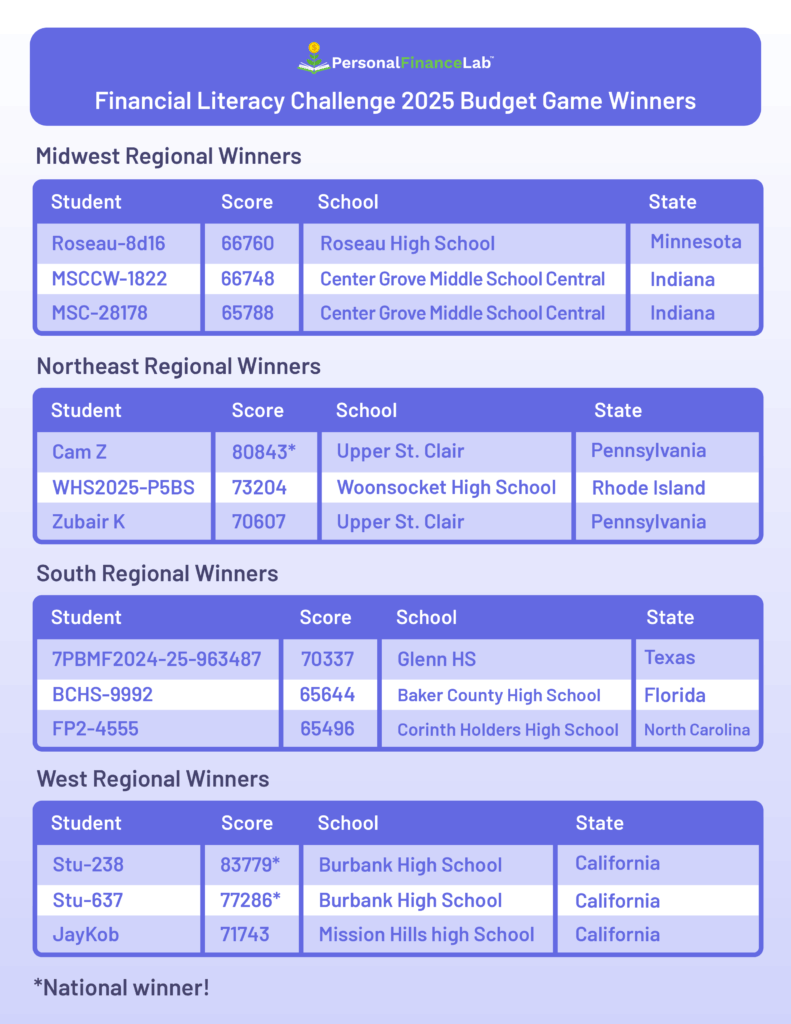
April is Financial Literacy Month, and we are celebrating with our 6th annual Spring Financial Literacy Challenge! It ran for the month of April, 2025
About The Challenge
The April Financial Literacy Challenge is our annual free world-wide budgeting and investing competition open to all K-12 schools. Students will be challenged to build and maintain a budget for a simulated year – 6 months as a college student with a part-time job, and 6 months as a freshly-graduated full-time worker. As students play through the budgeting game, they have the opportunity to transfer some of their savings to their Stock Game brokerage account to build up an investment portfolio and compete in the investing portion of the challenge!
This Year’s Winners
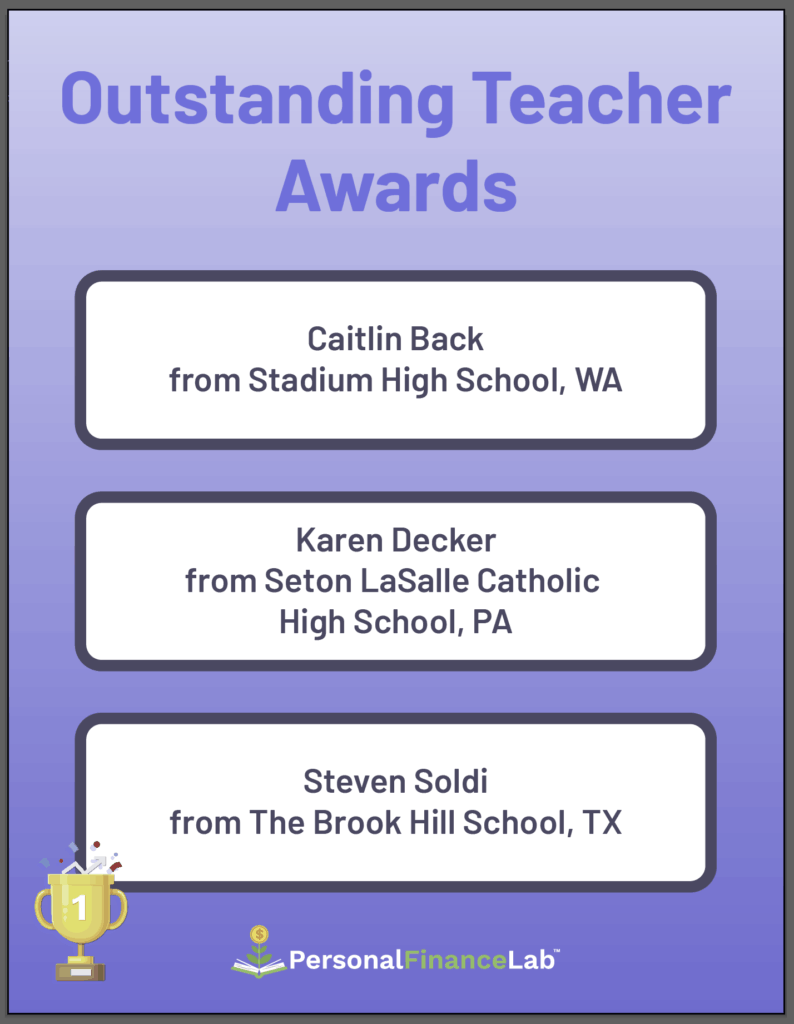
Outstanding Teacher Award
Students participating in their challenge also had the opportunity to nominate their teachers for an Outstanding Teacher Award, based on how much they brought financial literacy to life in the classroom. Here are this year’s recipients of of our Outstanding Teacher Award:
Caitlin Back – Stadium High School (WA)
I am nominated Mrs. Back because she has dedicated so much of her time into helping us understand finance much better. But she’s not just a great teacher, but also a friend. All the kids at this school know that they can go to Mrs. Back for just about anything. Tons of kids sit in her room during lunch because it is a place where we feel safe and comfortable. Mrs. Back has prevented me from making may financial mistakes, and I do not regret taking her class at all. She answers every question I have, which is a ton, and she does it happily. She has helped tons of kids get jobs, scholarships, internships, and so much more. You can tell she truly loves what she does, and you can tell that she cares about us as more than students. There are not enough words to explain how much Mrs. Back does for her students, and ones that aren’t hers as well. I knew just about nothing before I joined her class, This year I applied for a credit card while understanding all pros and cons, and did my own taxes for the first time! I’ve learned so much from this class, and from Mrs. Back, and I can’t wait to continue to do that!
Karen Decker – Seton LaSalle Catholic High School (PA)
Mrs. Decker is my Personal Finance teacher, and without her I would have never been prepared for my future in not only finance but in life. Her class is truly a Life 101, because it not only teaches about taxes, budgeting, investing, insurance, jobs, and so much more, but she also teaches how we can use that to better ourselves and society as a whole. Mrs. Decker makes the activities and lessons challenging, but in a fun and productive way so that we as a student may learn how to properly manage our finances and our careers effectively so that we may grow overall. Before Personal Finance with Mrs. Decker, I thought I was well educated in the world of finance, but I was very wrong. I had no clue that things ever existed like an W-4 or an I-9, or how to invest, or things such as the difference in taxes based on where you live; not only these things, but so much more. I would have never been as prepared for my life beyond High School if it wasn’t for the effectiveness of Mrs. Decker’s financial literacy that she implements into her classroom. Please consider nominating Karen Decker for this award!
Steven Soldi – The Brook Hill School (TX)
When I first walked into Mr. Soldi’s classroom, I was surprised at how he did not have textbooks, PowerPoints, or Canvas. I thought financial literacy was just about budgeting or balancing a checkbook, learned from watching videos on Canvas. I did not expect to walk out months later with a profound interest in finance, a deep understanding of investment principles, and most importantly, a sense of confidence in my ability to make wise decisions. Mr. Soldi has not only taught me the mechanics of money but has completely reshaped how I view my future. For that reason, I am nominating him as someone who has made an extraordinary impact in my life and in the lives of many others through this education. Mr. Soldi does not just teach finance; rather, he lives it, breathes it, and communicates it in a way that feels urgent, practical, and empowering. He brings energy to topics that most students would otherwise find abstract or intimidating. Whether we were learning how to build a diversified investment portfolio or how credit scores affect our ability to make major purchases, Mr. Soldi always tied each concept back to the real world. His lessons were like preparation for life, which sets his class completely apart from the traditional setting classes. One of the most impactful aspects of Mr. Soldi’s teaching was how he never handed us answers, but instead he gave us space to think. Instead of walking us through every step, he often just let me try things on my own, even if I did not fully know what I was doing at first. At first, that freedom felt overwhelming, but I quickly realized it was intentional. He created an environment where making mistakes was not failure, but rather part of the learning process. Whether we were building a budget, investigating the stock market, or starting a mock investment, Mr. Soldi would simply step back and let us explore. When I got stuck, he never gave me the answer outright. He would ask the right question or point me in a direction that helped me figure it out myself. Over time, that taught me to trust my instincts, solve problems independently, and approach challenges with confidence. He did not just teach me finance; he taught me the way to think. Another powerful way Mr. Soldi shaped my understanding of financial literacy was by bringing in guest speakers who lived and breathed the subjects we were learning about. He connected us with people who had real-world experience: businessmen, financial advisors, real estate developers, CEOs, and former students who had successfully navigated financial challenges. They shared honest stories about failure, success, risk, and the lessons they learned along the way. Hearing directly from professionals gave us a perspective that no classroom lecture could replicate. It made everything feel real. Suddenly, I started feeling terms like “equity,” “diversification,” or “passive income” as strategies people actually used to build their lives. Mr. Soldi used these voices not only to inspire us but to show us that financial literacy was not some abstract concept. It was a tool we could use to shape our future, starting right now in his classroom. Every day after school, I have seen him stay after class helping students who have been contemplating with fear of investment, schoolwork, political issues, or even life decisions. He dismantles that fear with patience, precision, and a lot of passion. He creates a safe environment where no attempt is “dumb” and every student feels encouraged to give it a try. Thanks to Mr. Soldi, I have opened my eyes to finance, started my own investment portfolio, learned how to build a budget, and begun thinking critically about my career choices and their long-term financial implications. But even more importantly, I now carry a mindset of curiosity and caution. I have learned how to ask questions, seek reliable information, and avoid the many financial traps that young people often fall into. Other teachers have prepared me for mere tricks to get through the exams. Mr. Soldi has prepared me for real life. While most teachers focused on delivering content, Mr. Soldi focused on transforming mindsets. He did not want us to memorize terms or follow formulas; he wanted us to understand how the world works and how we could take control of our place in it. In other classes, I was waiting for the bell, wanting to leave as soon as I could. In Mr. Soldi’s classes, I hated to hear the bell, wanting to stay after class and come visit. He challenged me to question everything, to think critically, and to take ownership of my future. He did not teach for the grade–he taught for life. That’s the difference: other teachers prepared me for school, but Mr. Soldi prepared me for the world. His impact goes far beyond the classroom walls. Alumni and graduating students still come back to thank him for giving them the confidence on their instinct. Mr. Soldi’s reach is exponential, not because he preaches, but because he empowers. Every student who walks away from his class with new skills and stronger confidence is another person less likely to fall into financial despair and more likely to make informed, responsible decisions. In a world where financial illiteracy can mean the difference between stability and hardship, Mr. Soldi is doing the work of a hero, quietly, consistently, and passionately, in the middle of a desert starved of financial literacy. Even though he does not seek recognition, he certainly deserves it. His dedication to financial education has shaped and will shape the futures of countless others. He is an ideal model of a teacher that possibly every teacher in the world should follow, and I can think of no one more deserving of this nomination than Mr. Soldi. Gift cards seem like miniscule gifts compared to what he has done, and he deserves much more.
Congratulations to all of the winners!
Schools with an active site license to PersonalFinanceLab will be invited to join our next National Competition this Fall, and all other schools will be invited to join our 7th annual Financial Literacy Month competition in April 2026!
-The PFinLab Team
Teachers – do you want to get full access to PersonalFinanceLab for your classes this Fall, including the ability to create your own sessions, dates, assignments, and settings? Request pricing from our sales team!
We hope you are as excited as we are, because we have some major updates for your classes this Spring!
From financial math and calculators, to comparison shopping games, to bug fixes and improvements, stay tuned to see what we have in store for your spring classes!
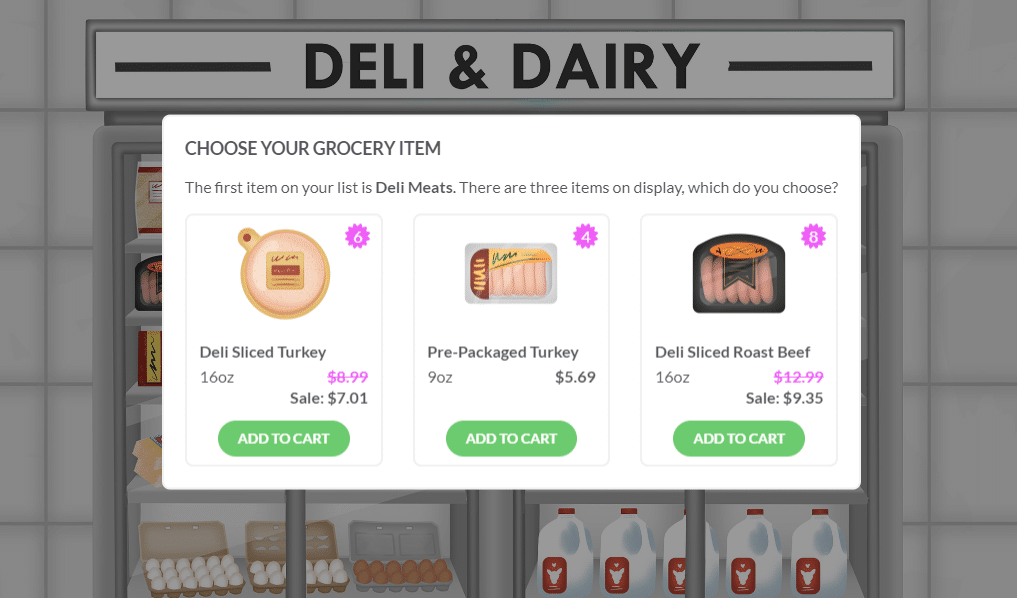
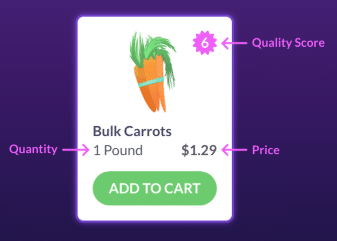
First up is our new Comparison Shopping Mini-Game. We call it a “mini-game” because it is a short game added to our Personal Budgeting Game. Students can practice their comparison shopping skills every weekend of the game by choosing “Household Chores”.
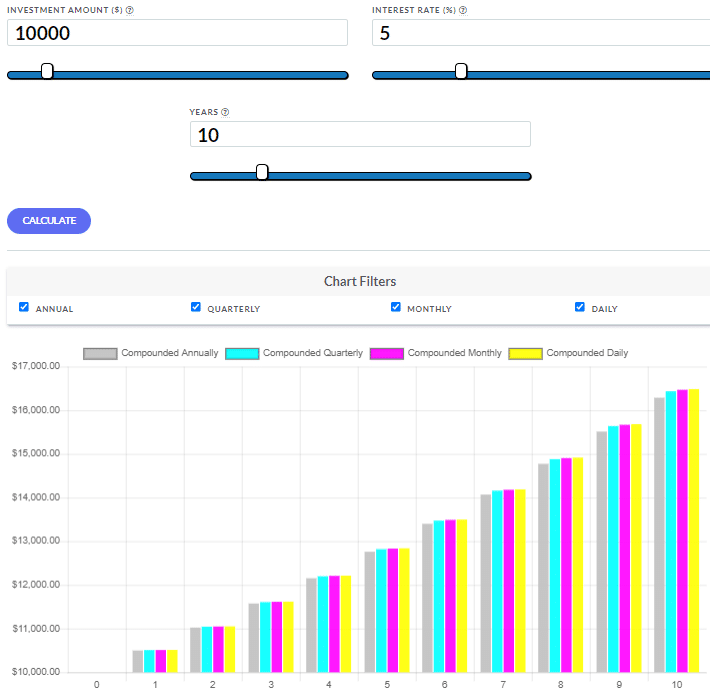
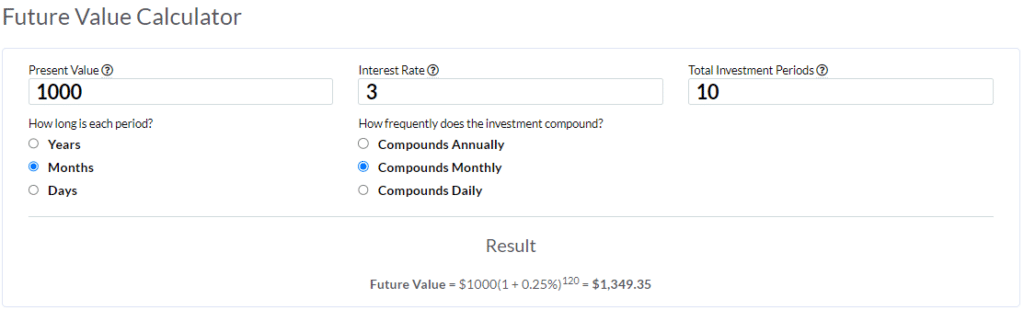
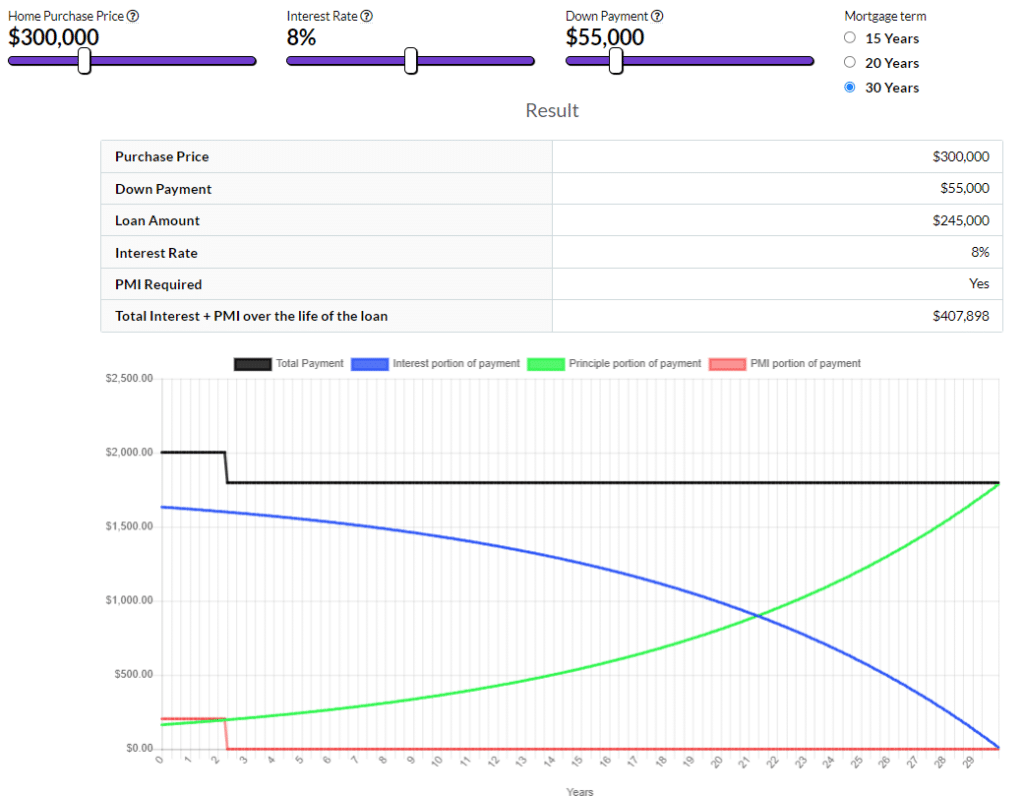
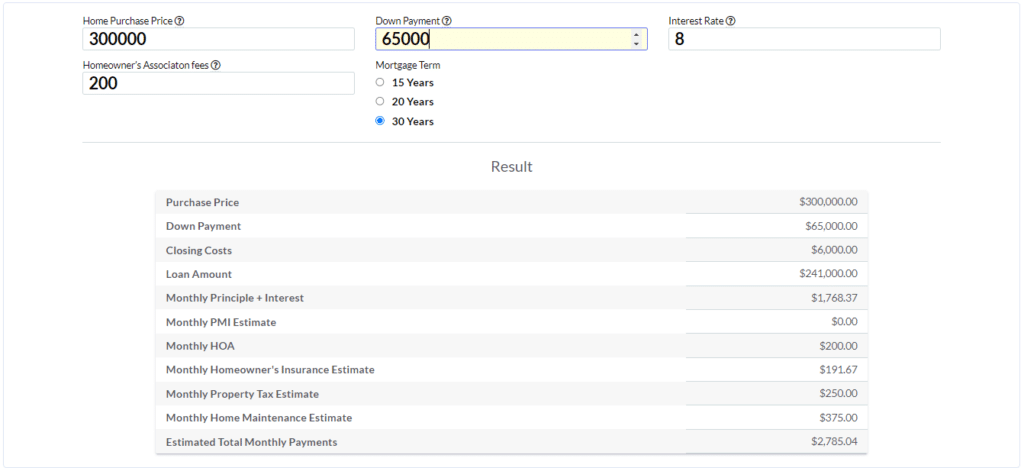
Next up, we have a major addition to our Financial Math Lesson Library – 6 new lessons covering everything from future value to vacation planning, and mortgage payments to logarithms!
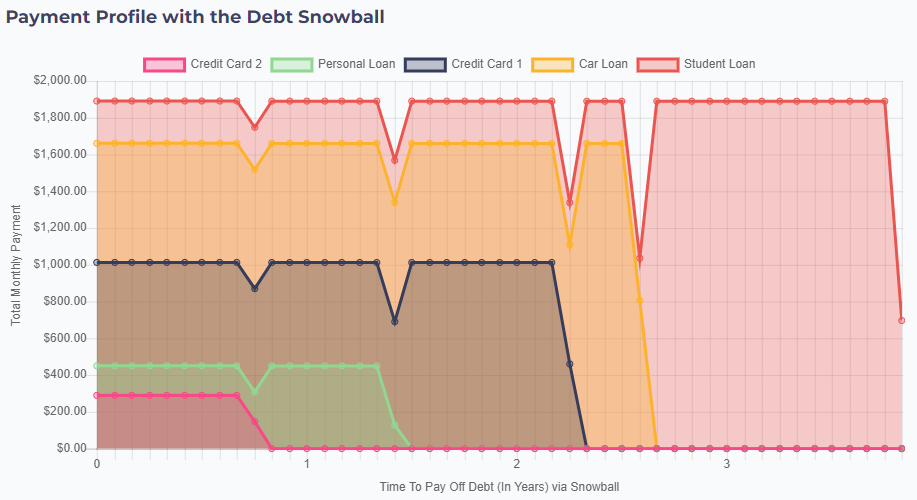
By popular demand, we’ve added a new lesson on Accelerated Debt Repayment Strategies, featuring the Debt Snowball and Debt Avalanche approaches! This has been added to our “Credit” unit of our Personal Finance Curriculum Library.
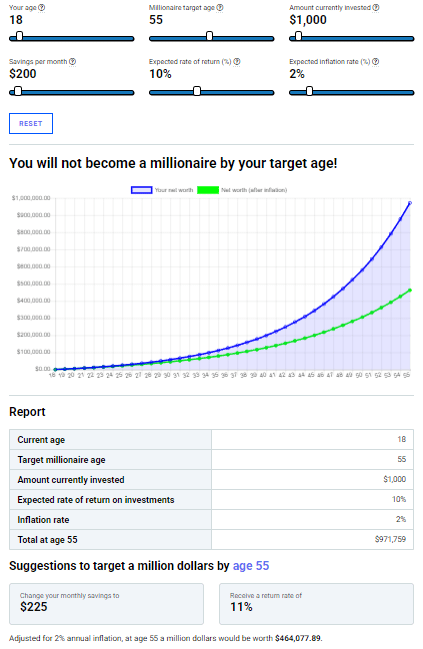
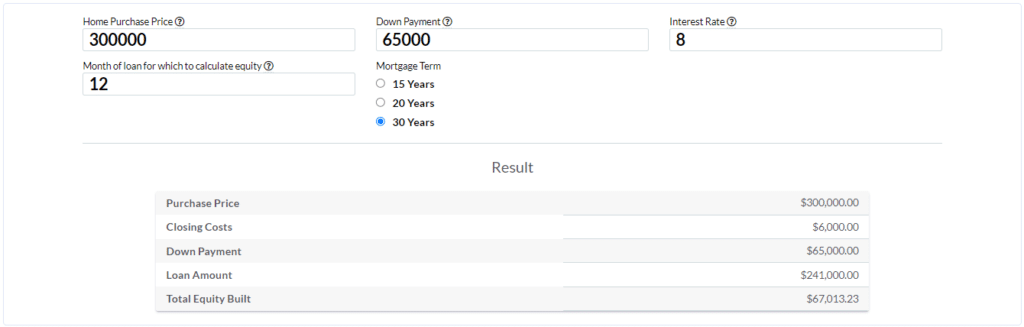
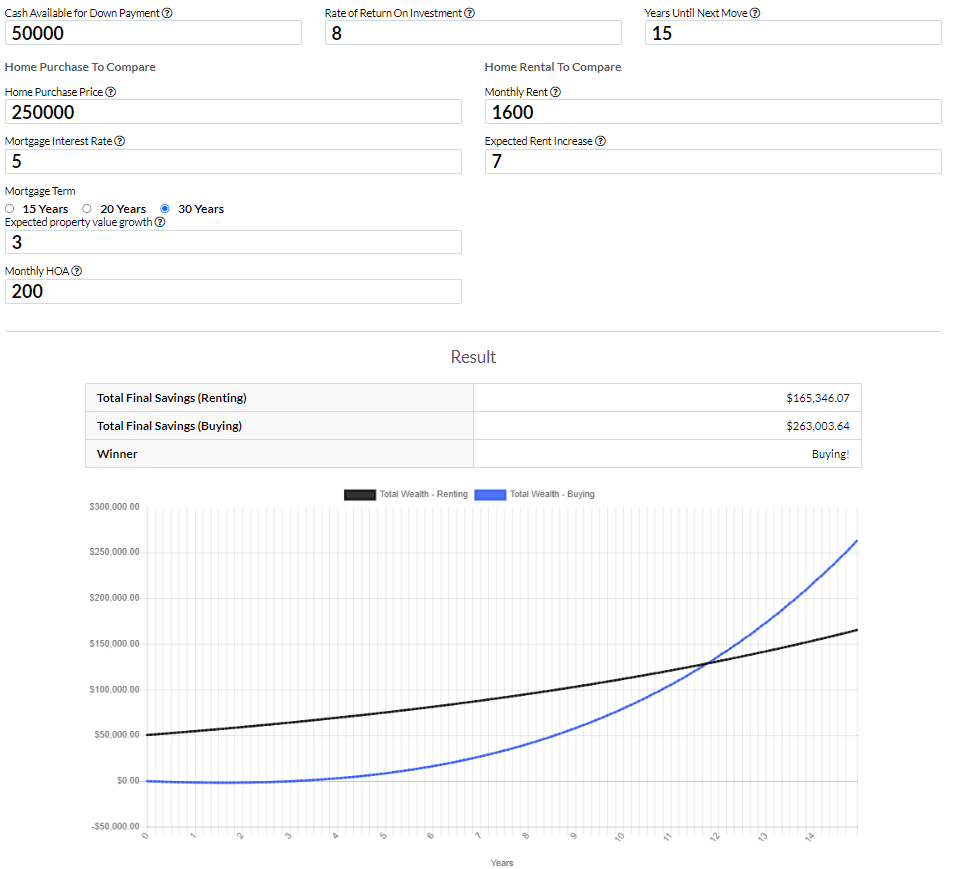
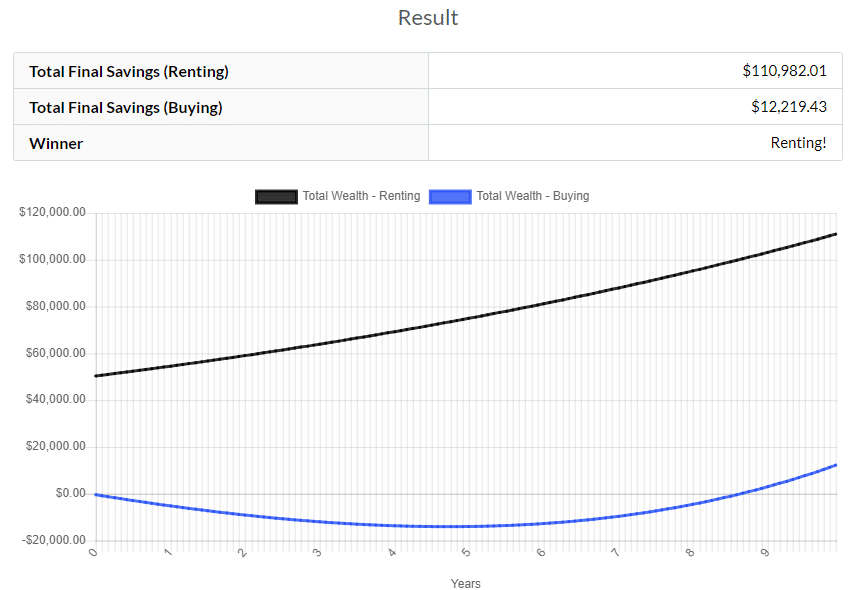
Next, we’ve released 8 new and updated interactive financial calculators! This includes our new house payment calculator (combining a mortgage payment calculator with PMI, homeowner’s association, escrow, and more), a Rent vs Buy comparison, an updated Millionaire Calculator, and more!
Last but not least, we’ve released a major re-working of the budget game monthly sequence of play! Now students will create their monthly Savings Goals, choose what to do over the weekend, and complete the month as their own separate Events in the game, instead of tying into the “die roll” used to move forward through time. This will help ensure students monthly activities happen in sequence, with less confusion when many events might happen in a single roll.
We hope you are as excited for these updates as we were building them!
To celebrate the New Year, everyone here at PersonalFinanceLab is excited to announce our brand-new calculators, available now for all Personal Finance classes as part of our Financial Literacy Curriculum!
About The Calculators
Each calculator was developed and released to be part of a lesson on financial literacy – this semester we focused mainly on compound interest, loans, and debt repayment.
Note: to preview each calculator, you will need to log into your PersonalFinanceLab teacher account. If you do not yet have an account, sign up for our Teacher Test Drive to try it out!
Compound Interest Calculator
This was the first new calculator we released back in the Fall of 2024. This basic calculator shows how an investment grows over time, and even includes a breakdown of how different types of compounding impact how an investment will grow.
Our Saving to be a Millionaire calculator has been one of our most popular for almost 10 years – which is why this semester we released a huge update and modern version for classes!
The Millionaire Calculator asks students their current age, target age, how much they can afford to save each month, and how much they expect to earn on their investments. It then projects out into the future to see if they can reach a million dollars by their target age. If not, it provides suggestions (such as increasing your monthly savings, or targeting a higher rate of return) to try to help hit their goal.
Our Future Value Calculator is an addition to one of our new financial math lessons on – you guessed it – future value! This simple calculator shows students how much a potential investment will be in the future, including factoring in different types of compounding.
Our Mortgage Calculator is a feature in our new financial math lesson on Mortgage Math and Ratios, and shows students their amortized payment breakdown for the entire duration of a mortgage loan. Students can choose their home price, interest rate, down payment, and even mortgage term. What sets this calculator apart is that it even includes PMI as a factor in payments, until PMI is no longer required.
Our Payment Calculator is the first calculator we introduced as part of our Rent vs Buy financial math lesson. This calculator replicates the “PMT” function of common spreadsheet applications, but is supercharged specifically for mortgages by also including homeowner’s association, home maintenance costs, PMI, and escrow (property tax and homeowner’s insurance) payments into the combined function – giving students a much more accurate picture of how much monthly costs to truly expect when buying a home.
Our Equity Calculator is the second calculator we introduced as part of our Rent vs Buy financial math lesson. This calculator is used to illustrate to students how making regular payments on an amortized loan builds up equity over time – and that equity is an important factor in the final take-home cash when selling a home.
This is the final calculator we introduced as part of our Rent vs Buy financial math lesson. This calculator combines the detail of the Mortgage Payment Calculator, the equity built over time from our Equity Calculator, and uses Future Value calculations to project a person’s net worth if they were to rent (investing the cash they have available in down payment now) vs buy (using money saved from total mortgage payment being less than rent to invest in the future).
It then provides students with a clear projection of both scenarios based on their inputs (including how long until they next plan to move), and a clear “winner” for their own personal situation!
This calculator is a cornerstone of our new lesson on the Debt Snowball and Debt Avalanche accelerated debt repayment strategies. This calculator takes a set of existing debts (which may be amortized – like a car loan, or revolving – like a credit card), and applies both the Debt Snowball and Debt Avalanche repayment strategies to each, so students can visualize how their debt repayments might differ (including which is the cheapest total and which gets out of debt the fastest for their unique scenario).
We have new calculators (and updates to our old ones) coming throughout the Spring and Summer – we hope you are excited to use these in class as we were to build them!
We are excited as ever to announce the latest addition to our Personal Finance Curriculum Library – our interactive lesson on Debt Snowball and Debt Avalanche!
What is a Debt Snowball and Avalanche?
Debt Snowball and Debt Avalanche refers to two accelerated debt repayment techniques, which can save a person trying to get out of debt tens of thousands of dollars, and pay off their debts years faster than when making minimum payments. The concept works by taking a little extra cash each month, and paying off each debt one at a time. When each debt is paid off, that debt’s payment is “rolled” into the next debt as additional payments towards principle. So while your total monthly payments stay constant through the payment plan, debts get paid off faster and faster as time goes on.
The primary difference between “Debt Snowball” and “Debt Avalanche” is the order that you would pay off each debt – and you can read the full lesson to learn more!
Note: you will require a PersonalFinanceLab login to access this lesson. If you do not already have a teacher account, you can sign up for our Teacher Test Drive to access!
Calculator Included!
The best part of our latest lesson is that it includes an interactive calculator to visualize exactly how each debt is paid off, with each method – making it easy for students to see these payment plans in action!
The Debt Snowball and Avalanche lesson is just the latest addition to our Financial Literacy Resource Library, included with our stock and budgeting games for all classrooms! We hope your students take away the fact that powerful techniques exist to help them stay on top of their finances!
Financial math is more important than ever – and we are here to support teachers along the way! These new topics generally build on the more basic lessons in our personal finance curriculum library, with additional complexity and examples to make them at home in a class focusing on financial algebra.
About Each Lesson
This spring, we are dropping one of our most exciting content updates yet – with 6 new lessons focusing on topics in financial algebra. These topics include our lesson on Limits and Logs, Discretionary Expenses & Central Tendency, Planning a Vacation on a Budget, Future Value and Investment Returns, Mortgage Math and Ratios, and Rent vs Buy: Which Home is Right For You!
You can find more information on each lesson below. To view the lessons, you will need to be logged in with your PersonalFinanceLab teacher account, or sign up for our free Teacher Test Drive!
Limits and Logs – Personalized Spending and Saving
Our first lesson teaches students about creating a model featuring decreasing returns to scale by leveraging logarithms in a function, and jumping from logs to limits to show how even summing an infinite series can still have a maximum point.
This is done through the lens of understanding their own personal spending and saving preferences to answer the fundamental question: how much is a dollar tomorrow worth to you today?
Discretionary Expenses – Understanding Central Tendency
This lesson is all about understanding mean, median, mode, and what a “skew” means for each. The lesson also incorporates histogram charts to show how “mode” measures can be applied in a wide range of comparisons, and is anchored in examples of a student trying to understand how their current spending habits compare to their peers – and what it means for their long-term savings goals.
This lesson is all about variables – independent, dependent, lurking. Then it jumps across into central tendency, all in the service of planning the perfect (and most affordable) vacation!
Students walk through comparing hotel and flight costs for 5 different cities, then jump into measuring “wish-list” food costs to establish a complete (and accurate) budget for the trip
Future Value Unlocked: How Today’s Investments Shape Tomorrow’s Wealth
This lesson is all about Future Value, and hammering home how the formula comes into play in a variety of lifetime financial decisions. The lesson starts with a basic reminder on compound interest, grows into examples with savings accounts, saving to buy a car, and finishes with showing how to use the Future Value formula to evaluate complex spending and saving decisions across multiple time horizons.
Our lesson on mortgage math and ratios focuses on all the math that goes into buying a home. We start out by talking about key affordability ratios (both how they are calculated and why they are important), and transition into down payments, bank risk & PMI, the nuts and bolts of amortization, refinancing, total profit (or loss) on the sale of a property, and pack it all in together with our advanced Mortgage Calculator, with dynamic graphs for students to easily visualize everything happening behind the scenes!
Our final new lesson talks about the complex decision of choosing to buy or rent. It walks through the Opportunity Cost of using a down payment towards another investment, factoring increases in rent and home ownership over time, walks through both future value and mortgage payment formulas (both long-form and spreadsheet formulas).
The lesson concludes with a one-of-a-kind calculator that takes a student’s inputs for two different properties (one rented and one buying), and shows the financial impact of both choices for as long as they intend to live in the home.
These new lessons are not just great for financial math – the inclusion of many integrated calculators makes them a great addition to every personal finance class! Stay tuned for our next update with even more resources for your class!
Knowing how to comparison shop for the best deal is a a fundamental skill for every consumer. Different package sizes, different perceived quality, and different prices can be confusing to navigate, especially for young people. This is why we are so excited to add our “Comparison Shopping” mini-game to our personal budgeting game!
How The Comparison Shopping Game Works
The Comparison Shopping game launches as part of our Weekend Events, launching when the user chooses to take care of their Household Chores for the week.
This will take the user to the grocery store, where they need to stop in for 3 items on their shopping list. For each item on their list, they will see 3 alternatives, each with its own price, quantity, and quality score.
The challenge for students is to balance the Quality, Quantity, and Price for each of the alternatives to choose which option to buy.
Game Scoring
After the user chooses all 3 items, they are taken to the “checkout” for their final score:
Two types of points are earned:
Quality of Life points, which is based on the Quality Score and Quantity of each of the items they chose
The Smart Shopper Bonus, which is extra bonus points added straight to the user’s Game Score. These bonus points are earned if the user chose the “best value” for each option – quality per quantity per price.
As some items will randomly go on-sale with each visit to the grocery store, the “best deal” might change from week to week – keeping users on their toes!
The Comparison Shopping game joins the Wealth Whiz Quiz in our new suite of mini-games to keep students engaged – and learning – as they play through the budgeting game! We hope your class has as much fun playing the game as we did building it!
If you want to try either of our mini-games, but your school does not yet have a license for PersonalFinanceLab, you can sign up for our Teacher Test Drive to give it a spin!
In today’s complex financial landscape, Arizona teachers have a unique opportunity to shape the financial futures of their students, and it starts with providing them with the right resources to learn. PersonalFinanceLab was designed to engage your students with hands-on learning experiences, making complex financial concepts more accessible and fun to learn.
Click on the link below to see how our learning materials align specifically to Arizona’s History and Social Science Standards.
When you get a site license on PersonalFinanceLab, you get more than just the self-grading lessons and the fully customizable Budget and Stock Games. You also get a host of ready-to-go course outlines, lesson plans, presentations and financial literacy videos. Everything you need to supplement your existing curriculum, and bring personal finance to life!
Course Outlines
If you’re new to teaching personal finance, you’ll find everything you need to structure your course in each of our course outlines. You’ll have time estimations per activity as well as a suggested sequence of tasks that make the most of the games and lessons available on PersonalFinanceLab.
18-Week Course Outline
Includes a pacing guide for a personal finance course with teacher packets, student packets, grading rubrics and class activities.
Our team is adding new lesson plans all the time to our collection of downloadable pdfs on investing, personal finance and economics topics. Each one includes challenge questions and key vocabulary words to review with your class. You’ll also get suggested individual, group and full class activities that reinforce key financial literacy standards with fun and engaging projects or tasks.
Did you know, we also make our own animated videos? Not only do we have tutorial videos for how your students can invest in all the different asset classes, (stocks, bonds, mutual funds, cryptos etc.) as well as how-to videos on how to play the Budget Game. But we have a growing list of short videos that teach your students about key concepts. Check out one of our latest videos on Compound Interest, or click this button to see our full Video Library.
In today’s complex financial landscape, Arkansas teachers have a unique opportunity to shape the financial futures of their students, and it starts with providing them with the right resources to learn. PersonalFinanceLab was designed to engage your students with hands-on learning experiences, making complex financial concepts more accessible and fun to learn.
Meeting Arkansas Personal Finance Standards with PersonalFinanceLab
The Arkansas financial literacy requirements emphasize equipping students with the knowledge and skills needed for lifelong financial well-being, covering crucial topics such as employment, credit, money management, insurance, and savings/investing. The Arkansas personal finance standards, developed in collaboration with the Arkansas Financial Education Commission, articulate clear expectations for personal finance education, requiring schools to address these core competencies through various methods such as a stand-alone personal finance or economics course. These personal finance education requirements include concepts like creating a budget, understanding interest rates, managing debt, and making informed investment decisions.
Click on the link below to see how our learning materials align specifically to Arkansas Personal Finance Standards.
When you get a site license on PersonalFinanceLab, you get more than just the self-grading lessons and the fully customizable Budget and Stock Games. You also get a host of ready-to-go course outlines, lesson plans, presentations and financial literacy videos. Everything you need to supplement your existing curriculum, and bring personal finance to life!
Course Outlines
If you’re new to teaching personal finance, you’ll find everything you need to structure your course in each of our course outlines. You’ll have time estimations per activity as well as a suggested sequence of tasks that make the most of the games and lessons available on PersonalFinanceLab.
18-Week Course Outline
Includes a pacing guide for a personal finance course with teacher packets, student packets, grading rubrics and class activities.
Our team is adding new lesson plans all the time to our collection of downloadable pdfs on investing, personal finance and economics topics. Each one includes challenge questions and key vocabulary words to review with your class. You’ll also get suggested individual, group and full class activities that reinforce key financial literacy standards with fun and engaging projects or tasks.
Did you know, we also make our own animated videos? Not only do we have tutorial videos for how your students can invest in all the different asset classes, (stocks, bonds, mutual funds, cryptos etc.) as well as how-to videos on how to play the Budget Game. But we have a growing list of short videos that teach your students about key concepts. Check out one of our latest videos on Compound Interest, or click this button to see our full Video Library.
In today’s complex financial landscape, California teachers have a unique opportunity to shape the financial futures of their students, and it starts with providing them with the right resources to learn. PersonalFinanceLab was designed to engage your students with hands-on learning experiences, making complex financial concepts more accessible and fun to learn.
Click on the link below to see how our learning materials align specifically to California’s Financial Literacy Standards.
When you get a site license on PersonalFinanceLab, you get more than just the self-grading lessons and the fully customizable Budget and Stock Games. You also get a host of ready-to-go course outlines, lesson plans, presentations and financial literacy videos. Everything you need to supplement your existing curriculum, and bring personal finance to life!
Course Outlines
If you’re new to teaching personal finance, you’ll find everything you need to structure your course in each of our course outlines. You’ll have time estimations per activity as well as a suggested sequence of tasks that make the most of the games and lessons available on PersonalFinanceLab.
18-Week Course Outline
Includes a pacing guide for a personal finance course with teacher packets, student packets, grading rubrics and class activities.
Our team is adding new lesson plans all the time to our collection of downloadable pdfs on investing, personal finance and economics topics. Each one includes challenge questions and key vocabulary words to review with your class. You’ll also get suggested individual, group and full class activities that reinforce key financial literacy standards with fun and engaging projects or tasks.
Did you know, we also make our own animated videos? Not only do we have tutorial videos for how your students can invest in all the different asset classes, (stocks, bonds, mutual funds, cryptos etc.) as well as how-to videos on how to play the Budget Game. But we have a growing list of short videos that teach your students about key concepts. Check out one of our latest videos on Compound Interest, or click this button to see our full Video Library.
In today’s complex financial landscape, Colorado teachers have a unique opportunity to shape the financial futures of their students, and it starts with providing them with the right resources to learn. PersonalFinanceLab was designed to engage your students with hands-on learning experiences, making complex financial concepts more accessible and fun to learn.
Click on the link below to see how our learning materials align specifically to Colorado’s Personal Financial Literacy Expectations Standards Alignment.
When you get a site license on PersonalFinanceLab, you get more than just the self-grading lessons and the fully customizable Budget and Stock Games. You also get a host of ready-to-go course outlines, lesson plans, presentations and financial literacy videos. Everything you need to supplement your existing curriculum, and bring personal finance to life!
Course Outlines
If you’re new to teaching personal finance, you’ll find everything you need to structure your course in each of our course outlines. You’ll have time estimations per activity as well as a suggested sequence of tasks that make the most of the games and lessons available on PersonalFinanceLab.
18-Week Course Outline
Includes a pacing guide for a personal finance course with teacher packets, student packets, grading rubrics and class activities.
Our team is adding new lesson plans all the time to our collection of downloadable pdfs on investing, personal finance and economics topics. Each one includes challenge questions and key vocabulary words to review with your class. You’ll also get suggested individual, group and full class activities that reinforce key financial literacy standards with fun and engaging projects or tasks.
Did you know, we also make our own animated videos? Not only do we have tutorial videos for how your students can invest in all the different asset classes, (stocks, bonds, mutual funds, cryptos etc.) as well as how-to videos on how to play the Budget Game. But we have a growing list of short videos that teach your students about key concepts. Check out one of our latest videos on Compound Interest, or click this button to see our full Video Library.
In today’s complex financial landscape, Delaware teachers have a unique opportunity to shape the financial futures of their students, and it starts with providing them with the right resources to learn. PersonalFinanceLab was designed to engage your students with hands-on learning experiences, making complex financial concepts more accessible and fun to learn.
Click on the link below to see how our learning materials align specifically to Delaware’s Financial Literacy Standards.
When you get a site license on PersonalFinanceLab, you get more than just the self-grading lessons and the fully customizable Budget and Stock Games. You also get a host of ready-to-go course outlines, lesson plans, presentations and financial literacy videos. Everything you need to supplement your existing curriculum, and bring personal finance to life!
Course Outlines
If you’re new to teaching personal finance, you’ll find everything you need to structure your course in each of our course outlines. You’ll have time estimations per activity as well as a suggested sequence of tasks that make the most of the games and lessons available on PersonalFinanceLab.
18-Week Course Outline
Includes a pacing guide for a personal finance course with teacher packets, student packets, grading rubrics and class activities.
Our team is adding new lesson plans all the time to our collection of downloadable pdfs on investing, personal finance and economics topics. Each one includes challenge questions and key vocabulary words to review with your class. You’ll also get suggested individual, group and full class activities that reinforce key financial literacy standards with fun and engaging projects or tasks.
Did you know, we also make our own animated videos? Not only do we have tutorial videos for how your students can invest in all the different asset classes, (stocks, bonds, mutual funds, cryptos etc.) as well as how-to videos on how to play the Budget Game. But we have a growing list of short videos that teach your students about key concepts. Check out one of our latest videos on Compound Interest, or click this button to see our full Video Library.
In today’s complex financial landscape, Florida teachers have a unique opportunity to shape the financial futures of their students, and it starts with providing them with the right resources to learn. PersonalFinanceLab was designed to engage your students with hands-on learning experiences, making complex financial concepts more accessible and fun to learn.
Click on the link below to see how our learning materials align specifically to Florida’s Social Studies Standards Financial Literacy Strand.
When you get a site license on PersonalFinanceLab, you get more than just the self-grading lessons and the fully customizable Budget and Stock Games. You also get a host of ready-to-go course outlines, lesson plans, presentations and financial literacy videos. Everything you need to supplement your existing curriculum, and bring personal finance to life!
Course Outlines
If you’re new to teaching personal finance, you’ll find everything you need to structure your course in each of our course outlines. You’ll have time estimations per activity as well as a suggested sequence of tasks that make the most of the games and lessons available on PersonalFinanceLab.
18-Week Course Outline
Includes a pacing guide for a personal finance course with teacher packets, student packets, grading rubrics and class activities.
Our team is adding new lesson plans all the time to our collection of downloadable pdfs on investing, personal finance and economics topics. Each one includes challenge questions and key vocabulary words to review with your class. You’ll also get suggested individual, group and full class activities that reinforce key financial literacy standards with fun and engaging projects or tasks.
Did you know, we also make our own animated videos? Not only do we have tutorial videos for how your students can invest in all the different asset classes, (stocks, bonds, mutual funds, cryptos etc.) as well as how-to videos on how to play the Budget Game. But we have a growing list of short videos that teach your students about key concepts. Check out one of our latest videos on Compound Interest, or click this button to see our full Video Library.
In today’s complex financial landscape, Georgia teachers have a unique opportunity to shape the financial futures of their students, and it starts with providing them with the right resources to learn. PersonalFinanceLab was designed to engage your students with hands-on learning experiences, making complex financial concepts more accessible and fun to learn.
Click on the link below to see how our learning materials align specifically to Georgia Social Studies Standards.
When you get a site license on PersonalFinanceLab, you get more than just the self-grading lessons and the fully customizable Budget and Stock Games. You also get a host of ready-to-go course outlines, lesson plans, presentations and financial literacy videos. Everything you need to supplement your existing curriculum, and bring personal finance to life!
Course Outlines
If you’re new to teaching personal finance, you’ll find everything you need to structure your course in each of our course outlines. You’ll have time estimations per activity as well as a suggested sequence of tasks that make the most of the games and lessons available on PersonalFinanceLab.
18-Week Course Outline
Includes a pacing guide for a personal finance course with teacher packets, student packets, grading rubrics and class activities.
Our team is adding new lesson plans all the time to our collection of downloadable pdfs on investing, personal finance and economics topics. Each one includes challenge questions and key vocabulary words to review with your class. You’ll also get suggested individual, group and full class activities that reinforce key financial literacy standards with fun and engaging projects or tasks.
Did you know, we also make our own animated videos? Not only do we have tutorial videos for how your students can invest in all the different asset classes, (stocks, bonds, mutual funds, cryptos etc.) as well as how-to videos on how to play the Budget Game. But we have a growing list of short videos that teach your students about key concepts. Check out one of our latest videos on Compound Interest, or click this button to see our full Video Library.
In today’s complex financial landscape, Idaho teachers have a unique opportunity to shape the financial futures of their students, and it starts with providing them with the right resources to learn. PersonalFinanceLab was designed to engage your students with hands-on learning experiences, making complex financial concepts more accessible and fun to learn.
Click on the link below to see how our learning materials align specifically to Idaho Financial Literacy Content Standards.
When you get a site license on PersonalFinanceLab, you get more than just the self-grading lessons and the fully customizable Budget and Stock Games. You also get a host of ready-to-go course outlines, lesson plans, presentations and financial literacy videos. Everything you need to supplement your existing curriculum, and bring personal finance to life!
Course Outlines
If you’re new to teaching personal finance, you’ll find everything you need to structure your course in each of our course outlines. You’ll have time estimations per activity as well as a suggested sequence of tasks that make the most of the games and lessons available on PersonalFinanceLab.
18-Week Course Outline
Includes a pacing guide for a personal finance course with teacher packets, student packets, grading rubrics and class activities.
Our team is adding new lesson plans all the time to our collection of downloadable pdfs on investing, personal finance and economics topics. Each one includes challenge questions and key vocabulary words to review with your class. You’ll also get suggested individual, group and full class activities that reinforce key financial literacy standards with fun and engaging projects or tasks.
Did you know, we also make our own animated videos? Not only do we have tutorial videos for how your students can invest in all the different asset classes, (stocks, bonds, mutual funds, cryptos etc.) as well as how-to videos on how to play the Budget Game. But we have a growing list of short videos that teach your students about key concepts. Check out one of our latest videos on Compound Interest, or click this button to see our full Video Library.
In today’s complex financial landscape, Illinois teachers have a unique opportunity to shape the financial futures of their students, and it starts with providing them with the right resources to learn. PersonalFinanceLab was designed to engage your students with hands-on learning experiences, making complex financial concepts more accessible and fun to learn.
Click on the link below to see how our learning materials align specifically to Illinois Social Studies Standards.
When you get a site license on PersonalFinanceLab, you get more than just the self-grading lessons and the fully customizable Budget and Stock Games. You also get a host of ready-to-go course outlines, lesson plans, presentations and financial literacy videos. Everything you need to supplement your existing curriculum, and bring personal finance to life!
Course Outlines
If you’re new to teaching personal finance, you’ll find everything you need to structure your course in each of our course outlines. You’ll have time estimations per activity as well as a suggested sequence of tasks that make the most of the games and lessons available on PersonalFinanceLab.
18-Week Course Outline
Includes a pacing guide for a personal finance course with teacher packets, student packets, grading rubrics and class activities.
Our team is adding new lesson plans all the time to our collection of downloadable pdfs on investing, personal finance and economics topics. Each one includes challenge questions and key vocabulary words to review with your class. You’ll also get suggested individual, group and full class activities that reinforce key financial literacy standards with fun and engaging projects or tasks.
Did you know, we also make our own animated videos? Not only do we have tutorial videos for how your students can invest in all the different asset classes, (stocks, bonds, mutual funds, cryptos etc.) as well as how-to videos on how to play the Budget Game. But we have a growing list of short videos that teach your students about key concepts. Check out one of our latest videos on Compound Interest, or click this button to see our full Video Library.
In today’s complex financial landscape, Indiana teachers have a unique opportunity to shape the financial futures of their students, and it starts with providing them with the right resources to learn. PersonalFinanceLab was designed to engage your students with hands-on learning experiences, making complex financial concepts more accessible and fun to learn.
Click on the link below to see how our learning materials align specifically to Indiana Financial Literacy Standards.
When you get a site license on PersonalFinanceLab, you get more than just the self-grading lessons and the fully customizable Budget and Stock Games. You also get a host of ready-to-go course outlines, lesson plans, presentations and financial literacy videos. Everything you need to supplement your existing curriculum, and bring personal finance to life!
Course Outlines
If you’re new to teaching personal finance, you’ll find everything you need to structure your course in each of our course outlines. You’ll have time estimations per activity as well as a suggested sequence of tasks that make the most of the games and lessons available on PersonalFinanceLab.
18-Week Course Outline
Includes a pacing guide for a personal finance course with teacher packets, student packets, grading rubrics and class activities.
Our team is adding new lesson plans all the time to our collection of downloadable pdfs on investing, personal finance and economics topics. Each one includes challenge questions and key vocabulary words to review with your class. You’ll also get suggested individual, group and full class activities that reinforce key financial literacy standards with fun and engaging projects or tasks.
Did you know, we also make our own animated videos? Not only do we have tutorial videos for how your students can invest in all the different asset classes, (stocks, bonds, mutual funds, cryptos etc.) as well as how-to videos on how to play the Budget Game. But we have a growing list of short videos that teach your students about key concepts. Check out one of our latest videos on Compound Interest, or click this button to see our full Video Library.
In today’s complex financial landscape, Iowa teachers have a unique opportunity to shape the financial futures of their students, and it starts with providing them with the right resources to learn. PersonalFinanceLab was designed to engage your students with hands-on learning experiences, making complex financial concepts more accessible and fun to learn.
Click on the link below to see how our learning materials align specifically to Iowa’s Social Studies Standards.
When you get a site license on PersonalFinanceLab, you get more than just the self-grading lessons and the fully customizable Budget and Stock Games. You also get a host of ready-to-go course outlines, lesson plans, presentations and financial literacy videos. Everything you need to supplement your existing curriculum, and bring personal finance to life!
Course Outlines
If you’re new to teaching personal finance, you’ll find everything you need to structure your course in each of our course outlines. You’ll have time estimations per activity as well as a suggested sequence of tasks that make the most of the games and lessons available on PersonalFinanceLab.
18-Week Course Outline
Includes a pacing guide for a personal finance course with teacher packets, student packets, grading rubrics and class activities.
Our team is adding new lesson plans all the time to our collection of downloadable pdfs on investing, personal finance and economics topics. Each one includes challenge questions and key vocabulary words to review with your class. You’ll also get suggested individual, group and full class activities that reinforce key financial literacy standards with fun and engaging projects or tasks.
Did you know, we also make our own animated videos? Not only do we have tutorial videos for how your students can invest in all the different asset classes, (stocks, bonds, mutual funds, cryptos etc.) as well as how-to videos on how to play the Budget Game. But we have a growing list of short videos that teach your students about key concepts. Check out one of our latest videos on Compound Interest, or click this button to see our full Video Library.
In today’s complex financial landscape, Kentucky teachers have a unique opportunity to shape the financial futures of their students, and it starts with providing them with the right resources to learn. PersonalFinanceLab was designed to engage your students with hands-on learning experiences, making complex financial concepts more accessible and fun to learn.
Click on the link below to see how our learning materials align specifically to Kentucky’s Academic Standards for Career Studies.
When you get a site license on PersonalFinanceLab, you get more than just the self-grading lessons and the fully customizable Budget and Stock Games. You also get a host of ready-to-go course outlines, lesson plans, presentations and financial literacy videos. Everything you need to supplement your existing curriculum, and bring personal finance to life!
Course Outlines
If you’re new to teaching personal finance, you’ll find everything you need to structure your course in each of our course outlines. You’ll have time estimations per activity as well as a suggested sequence of tasks that make the most of the games and lessons available on PersonalFinanceLab.
18-Week Course Outline
Includes a pacing guide for a personal finance course with teacher packets, student packets, grading rubrics and class activities.
Our team is adding new lesson plans all the time to our collection of downloadable pdfs on investing, personal finance and economics topics. Each one includes challenge questions and key vocabulary words to review with your class. You’ll also get suggested individual, group and full class activities that reinforce key financial literacy standards with fun and engaging projects or tasks.
Did you know, we also make our own animated videos? Not only do we have tutorial videos for how your students can invest in all the different asset classes, (stocks, bonds, mutual funds, cryptos etc.) as well as how-to videos on how to play the Budget Game. But we have a growing list of short videos that teach your students about key concepts. Check out one of our latest videos on Compound Interest, or click this button to see our full Video Library.
In today’s complex financial landscape, Louisiana teachers have a unique opportunity to shape the financial futures of their students, and it starts with providing them with the right resources to learn. PersonalFinanceLab was designed to engage your students with hands-on learning experiences, making complex financial concepts more accessible and fun to learn.
Click on the link below to see how our learning materials align specifically to Louisiana Student Standards for Social Studies.
When you get a site license on PersonalFinanceLab, you get more than just the self-grading lessons and the fully customizable Budget and Stock Games. You also get a host of ready-to-go course outlines, lesson plans, presentations and financial literacy videos. Everything you need to supplement your existing curriculum, and bring personal finance to life!
Course Outlines
If you’re new to teaching personal finance, you’ll find everything you need to structure your course in each of our course outlines. You’ll have time estimations per activity as well as a suggested sequence of tasks that make the most of the games and lessons available on PersonalFinanceLab.
18-Week Course Outline
Includes a pacing guide for a personal finance course with teacher packets, student packets, grading rubrics and class activities.
Our team is adding new lesson plans all the time to our collection of downloadable pdfs on investing, personal finance and economics topics. Each one includes challenge questions and key vocabulary words to review with your class. You’ll also get suggested individual, group and full class activities that reinforce key financial literacy standards with fun and engaging projects or tasks.
Did you know, we also make our own animated videos? Not only do we have tutorial videos for how your students can invest in all the different asset classes, (stocks, bonds, mutual funds, cryptos etc.) as well as how-to videos on how to play the Budget Game. But we have a growing list of short videos that teach your students about key concepts. Check out one of our latest videos on Compound Interest, or click this button to see our full Video Library.
In today’s complex financial landscape, Maine teachers have a unique opportunity to shape the financial futures of their students, and it starts with providing them with the right resources to learn. PersonalFinanceLab was designed to engage your students with hands-on learning experiences, making complex financial concepts more accessible and fun to learn.
Click on the link below to see how our learning materials align specifically to Maine Standards for Financial Literacy.
When you get a site license on PersonalFinanceLab, you get more than just the self-grading lessons and the fully customizable Budget and Stock Games. You also get a host of ready-to-go course outlines, lesson plans, presentations and financial literacy videos. Everything you need to supplement your existing curriculum, and bring personal finance to life!
Course Outlines
If you’re new to teaching personal finance, you’ll find everything you need to structure your course in each of our course outlines. You’ll have time estimations per activity as well as a suggested sequence of tasks that make the most of the games and lessons available on PersonalFinanceLab.
18-Week Course Outline
Includes a pacing guide for a personal finance course with teacher packets, student packets, grading rubrics and class activities.
Our team is adding new lesson plans all the time to our collection of downloadable pdfs on investing, personal finance and economics topics. Each one includes challenge questions and key vocabulary words to review with your class. You’ll also get suggested individual, group and full class activities that reinforce key financial literacy standards with fun and engaging projects or tasks.
Did you know, we also make our own animated videos? Not only do we have tutorial videos for how your students can invest in all the different asset classes, (stocks, bonds, mutual funds, cryptos etc.) as well as how-to videos on how to play the Budget Game. But we have a growing list of short videos that teach your students about key concepts. Check out one of our latest videos on Compound Interest, or click this button to see our full Video Library.
In today’s complex financial landscape, Maryland teachers have a unique opportunity to shape the financial futures of their students, and it starts with providing them with the right resources to learn. PersonalFinanceLab was designed to engage your students with hands-on learning experiences, making complex financial concepts more accessible and fun to learn.
Click on the link below to see how our learning materials align specifically to Maryland’s Personal Financial Literacy Education.
When you get a site license on PersonalFinanceLab, you get more than just the self-grading lessons and the fully customizable Budget and Stock Games. You also get a host of ready-to-go course outlines, lesson plans, presentations and financial literacy videos. Everything you need to supplement your existing curriculum, and bring personal finance to life!
Course Outlines
If you’re new to teaching personal finance, you’ll find everything you need to structure your course in each of our course outlines. You’ll have time estimations per activity as well as a suggested sequence of tasks that make the most of the games and lessons available on PersonalFinanceLab.
18-Week Course Outline
Includes a pacing guide for a personal finance course with teacher packets, student packets, grading rubrics and class activities.
Our team is adding new lesson plans all the time to our collection of downloadable pdfs on investing, personal finance and economics topics. Each one includes challenge questions and key vocabulary words to review with your class. You’ll also get suggested individual, group and full class activities that reinforce key financial literacy standards with fun and engaging projects or tasks.
Did you know, we also make our own animated videos? Not only do we have tutorial videos for how your students can invest in all the different asset classes, (stocks, bonds, mutual funds, cryptos etc.) as well as how-to videos on how to play the Budget Game. But we have a growing list of short videos that teach your students about key concepts. Check out one of our latest videos on Compound Interest, or click this button to see our full Video Library.
In today’s complex financial landscape, Massachusetts teachers have a unique opportunity to shape the financial futures of their students, and it starts with providing them with the right resources to learn. PersonalFinanceLab was designed to engage your students with hands-on learning experiences, making complex financial concepts more accessible and fun to learn.
Click on the link below to see how our learning materials align specifically to Massachusetts Personal Financial Literacy Curriculum Frameworks.
When you get a site license on PersonalFinanceLab, you get more than just the self-grading lessons and the fully customizable Budget and Stock Games. You also get a host of ready-to-go course outlines, lesson plans, presentations and financial literacy videos. Everything you need to supplement your existing curriculum, and bring personal finance to life!
Course Outlines
If you’re new to teaching personal finance, you’ll find everything you need to structure your course in each of our course outlines. You’ll have time estimations per activity as well as a suggested sequence of tasks that make the most of the games and lessons available on PersonalFinanceLab.
18-Week Course Outline
Includes a pacing guide for a personal finance course with teacher packets, student packets, grading rubrics and class activities.
Our team is adding new lesson plans all the time to our collection of downloadable pdfs on investing, personal finance and economics topics. Each one includes challenge questions and key vocabulary words to review with your class. You’ll also get suggested individual, group and full class activities that reinforce key financial literacy standards with fun and engaging projects or tasks.
Did you know, we also make our own animated videos? Not only do we have tutorial videos for how your students can invest in all the different asset classes, (stocks, bonds, mutual funds, cryptos etc.) as well as how-to videos on how to play the Budget Game. But we have a growing list of short videos that teach your students about key concepts. Check out one of our latest videos on Compound Interest, or click this button to see our full Video Library.
In today’s complex financial landscape, Michigan teachers have a unique opportunity to shape the financial futures of their students, and it starts with providing them with the right resources to learn. PersonalFinanceLab was designed to engage your students with hands-on learning experiences, making complex financial concepts more accessible and fun to learn.
Click on the link below to see how our learning materials align specifically to Michigan Social Studies Standards.
When you get a site license on PersonalFinanceLab, you get more than just the self-grading lessons and the fully customizable Budget and Stock Games. You also get a host of ready-to-go course outlines, lesson plans, presentations and financial literacy videos. Everything you need to supplement your existing curriculum, and bring personal finance to life!
Course Outlines
If you’re new to teaching personal finance, you’ll find everything you need to structure your course in each of our course outlines. You’ll have time estimations per activity as well as a suggested sequence of tasks that make the most of the games and lessons available on PersonalFinanceLab.
18-Week Course Outline
Includes a pacing guide for a personal finance course with teacher packets, student packets, grading rubrics and class activities.
Our team is adding new lesson plans all the time to our collection of downloadable pdfs on investing, personal finance and economics topics. Each one includes challenge questions and key vocabulary words to review with your class. You’ll also get suggested individual, group and full class activities that reinforce key financial literacy standards with fun and engaging projects or tasks.
Did you know, we also make our own animated videos? Not only do we have tutorial videos for how your students can invest in all the different asset classes, (stocks, bonds, mutual funds, cryptos etc.) as well as how-to videos on how to play the Budget Game. But we have a growing list of short videos that teach your students about key concepts. Check out one of our latest videos on Compound Interest, or click this button to see our full Video Library.
In today’s complex financial landscape, Minnesota teachers have a unique opportunity to shape the financial futures of their students, and it starts with providing them with the right resources to learn. PersonalFinanceLab was designed to engage your students with hands-on learning experiences, making complex financial concepts more accessible and fun to learn.
Click on the link below to see how our learning materials align specifically to Minnesota Personal Finance Standards.
When you get a site license on PersonalFinanceLab, you get more than just the self-grading lessons and the fully customizable Budget and Stock Games. You also get a host of ready-to-go course outlines, lesson plans, presentations and financial literacy videos. Everything you need to supplement your existing curriculum, and bring personal finance to life!
Course Outlines
If you’re new to teaching personal finance, you’ll find everything you need to structure your course in each of our course outlines. You’ll have time estimations per activity as well as a suggested sequence of tasks that make the most of the games and lessons available on PersonalFinanceLab.
18-Week Course Outline
Includes a pacing guide for a personal finance course with teacher packets, student packets, grading rubrics and class activities.
Our team is adding new lesson plans all the time to our collection of downloadable pdfs on investing, personal finance and economics topics. Each one includes challenge questions and key vocabulary words to review with your class. You’ll also get suggested individual, group and full class activities that reinforce key financial literacy standards with fun and engaging projects or tasks.
Did you know, we also make our own animated videos? Not only do we have tutorial videos for how your students can invest in all the different asset classes, (stocks, bonds, mutual funds, cryptos etc.) as well as how-to videos on how to play the Budget Game. But we have a growing list of short videos that teach your students about key concepts. Check out one of our latest videos on Compound Interest, or click this button to see our full Video Library.
In today’s complex financial landscape, Mississippi teachers have a unique opportunity to shape the financial futures of their students, and it starts with providing them with the right resources to learn. PersonalFinanceLab was designed to engage your students with hands-on learning experiences, making complex financial concepts more accessible and fun to learn.
Click on the link below to see how our learning materials align specifically to Mississippi Personal Finance Course Outline.
When you get a site license on PersonalFinanceLab, you get more than just the self-grading lessons and the fully customizable Budget and Stock Games. You also get a host of ready-to-go course outlines, lesson plans, presentations and financial literacy videos. Everything you need to supplement your existing curriculum, and bring personal finance to life!
Course Outlines
If you’re new to teaching personal finance, you’ll find everything you need to structure your course in each of our course outlines. You’ll have time estimations per activity as well as a suggested sequence of tasks that make the most of the games and lessons available on PersonalFinanceLab.
18-Week Course Outline
Includes a pacing guide for a personal finance course with teacher packets, student packets, grading rubrics and class activities.
Our team is adding new lesson plans all the time to our collection of downloadable pdfs on investing, personal finance and economics topics. Each one includes challenge questions and key vocabulary words to review with your class. You’ll also get suggested individual, group and full class activities that reinforce key financial literacy standards with fun and engaging projects or tasks.
Did you know, we also make our own animated videos? Not only do we have tutorial videos for how your students can invest in all the different asset classes, (stocks, bonds, mutual funds, cryptos etc.) as well as how-to videos on how to play the Budget Game. But we have a growing list of short videos that teach your students about key concepts. Check out one of our latest videos on Compound Interest, or click this button to see our full Video Library.
In today’s complex financial landscape, Missouri teachers have a unique opportunity to shape the financial futures of their students, and it starts with providing them with the right resources to learn. PersonalFinanceLab was designed to engage your students with hands-on learning experiences, making complex financial concepts more accessible and fun to learn.
Click on the link below to see how our learning materials align specifically to Missouri Personal Finance Course Level Expectations.
When you get a site license on PersonalFinanceLab, you get more than just the self-grading lessons and the fully customizable Budget and Stock Games. You also get a host of ready-to-go course outlines, lesson plans, presentations and financial literacy videos. Everything you need to supplement your existing curriculum, and bring personal finance to life!
Course Outlines
If you’re new to teaching personal finance, you’ll find everything you need to structure your course in each of our course outlines. You’ll have time estimations per activity as well as a suggested sequence of tasks that make the most of the games and lessons available on PersonalFinanceLab.
18-Week Course Outline
Includes a pacing guide for a personal finance course with teacher packets, student packets, grading rubrics and class activities.
Our team is adding new lesson plans all the time to our collection of downloadable pdfs on investing, personal finance and economics topics. Each one includes challenge questions and key vocabulary words to review with your class. You’ll also get suggested individual, group and full class activities that reinforce key financial literacy standards with fun and engaging projects or tasks.
Did you know, we also make our own animated videos? Not only do we have tutorial videos for how your students can invest in all the different asset classes, (stocks, bonds, mutual funds, cryptos etc.) as well as how-to videos on how to play the Budget Game. But we have a growing list of short videos that teach your students about key concepts. Check out one of our latest videos on Compound Interest, or click this button to see our full Video Library.
In today’s complex financial landscape, Nebraska teachers have a unique opportunity to shape the financial futures of their students, and it starts with providing them with the right resources to learn. PersonalFinanceLab was designed to engage your students with hands-on learning experiences, making complex financial concepts more accessible and fun to learn.
Click on the link below to see how our learning materials align specifically to Nebraska’s Financial Literacy Standards.
When you get a site license on PersonalFinanceLab, you get more than just the self-grading lessons and the fully customizable Budget and Stock Games. You also get a host of ready-to-go course outlines, lesson plans, presentations and financial literacy videos. Everything you need to supplement your existing curriculum, and bring personal finance to life!
Course Outlines
If you’re new to teaching personal finance, you’ll find everything you need to structure your course in each of our course outlines. You’ll have time estimations per activity as well as a suggested sequence of tasks that make the most of the games and lessons available on PersonalFinanceLab.
18-Week Course Outline
Includes a pacing guide for a personal finance course with teacher packets, student packets, grading rubrics and class activities.
Our team is adding new lesson plans all the time to our collection of downloadable pdfs on investing, personal finance and economics topics. Each one includes challenge questions and key vocabulary words to review with your class. You’ll also get suggested individual, group and full class activities that reinforce key financial literacy standards with fun and engaging projects or tasks.
Did you know, we also make our own animated videos? Not only do we have tutorial videos for how your students can invest in all the different asset classes, (stocks, bonds, mutual funds, cryptos etc.) as well as how-to videos on how to play the Budget Game. But we have a growing list of short videos that teach your students about key concepts. Check out one of our latest videos on Compound Interest, or click this button to see our full Video Library.
In today’s complex financial landscape, Nevada teachers have a unique opportunity to shape the financial futures of their students, and it starts with providing them with the right resources to learn. PersonalFinanceLab was designed to engage your students with hands-on learning experiences, making complex financial concepts more accessible and fun to learn.
Click on the link below to see how our learning materials align specifically to Nevada’s Social Studies Academic Content Standards.
When you get a site license on PersonalFinanceLab, you get more than just the self-grading lessons and the fully customizable Budget and Stock Games. You also get a host of ready-to-go course outlines, lesson plans, presentations and financial literacy videos. Everything you need to supplement your existing curriculum, and bring personal finance to life!
Course Outlines
If you’re new to teaching personal finance, you’ll find everything you need to structure your course in each of our course outlines. You’ll have time estimations per activity as well as a suggested sequence of tasks that make the most of the games and lessons available on PersonalFinanceLab.
18-Week Course Outline
Includes a pacing guide for a personal finance course with teacher packets, student packets, grading rubrics and class activities.
Our team is adding new lesson plans all the time to our collection of downloadable pdfs on investing, personal finance and economics topics. Each one includes challenge questions and key vocabulary words to review with your class. You’ll also get suggested individual, group and full class activities that reinforce key financial literacy standards with fun and engaging projects or tasks.
Did you know, we also make our own animated videos? Not only do we have tutorial videos for how your students can invest in all the different asset classes, (stocks, bonds, mutual funds, cryptos etc.) as well as how-to videos on how to play the Budget Game. But we have a growing list of short videos that teach your students about key concepts. Check out one of our latest videos on Compound Interest, or click this button to see our full Video Library.
In today’s complex financial landscape, New Jersey teachers have a unique opportunity to shape the financial futures of their students, and it starts with providing them with the right resources to learn. PersonalFinanceLab was designed to engage your students with hands-on learning experiences, making complex financial concepts more accessible and fun to learn.
Click on the link below to see how our learning materials align specifically to New Jersey’s Personal Financial Literacy Standards.
When you get a site license on PersonalFinanceLab, you get more than just the self-grading lessons and the fully customizable Budget and Stock Games. You also get a host of ready-to-go course outlines, lesson plans, presentations and financial literacy videos. Everything you need to supplement your existing curriculum, and bring personal finance to life!
Course Outlines
If you’re new to teaching personal finance, you’ll find everything you need to structure your course in each of our course outlines. You’ll have time estimations per activity as well as a suggested sequence of tasks that make the most of the games and lessons available on PersonalFinanceLab.
18-Week Course Outline
Includes a pacing guide for a personal finance course with teacher packets, student packets, grading rubrics and class activities.
Our team is adding new lesson plans all the time to our collection of downloadable pdfs on investing, personal finance and economics topics. Each one includes challenge questions and key vocabulary words to review with your class. You’ll also get suggested individual, group and full class activities that reinforce key financial literacy standards with fun and engaging projects or tasks.
Did you know, we also make our own animated videos? Not only do we have tutorial videos for how your students can invest in all the different asset classes, (stocks, bonds, mutual funds, cryptos etc.) as well as how-to videos on how to play the Budget Game. But we have a growing list of short videos that teach your students about key concepts. Check out one of our latest videos on Compound Interest, or click this button to see our full Video Library.
In today’s complex financial landscape, New York teachers have a unique opportunity to shape the financial futures of their students, and it starts with providing them with the right resources to learn. PersonalFinanceLab was designed to engage your students with hands-on learning experiences, making complex financial concepts more accessible and fun to learn.
Click on the link below to see how our learning materials align specifically to New York Career and Financial Management Curriculum Framework.
When you get a site license on PersonalFinanceLab, you get more than just the self-grading lessons and the fully customizable Budget and Stock Games. You also get a host of ready-to-go course outlines, lesson plans, presentations and financial literacy videos. Everything you need to supplement your existing curriculum, and bring personal finance to life!
Course Outlines
If you’re new to teaching personal finance, you’ll find everything you need to structure your course in each of our course outlines. You’ll have time estimations per activity as well as a suggested sequence of tasks that make the most of the games and lessons available on PersonalFinanceLab.
18-Week Course Outline
Includes a pacing guide for a personal finance course with teacher packets, student packets, grading rubrics and class activities.
Our team is adding new lesson plans all the time to our collection of downloadable pdfs on investing, personal finance and economics topics. Each one includes challenge questions and key vocabulary words to review with your class. You’ll also get suggested individual, group and full class activities that reinforce key financial literacy standards with fun and engaging projects or tasks.
Did you know, we also make our own animated videos? Not only do we have tutorial videos for how your students can invest in all the different asset classes, (stocks, bonds, mutual funds, cryptos etc.) as well as how-to videos on how to play the Budget Game. But we have a growing list of short videos that teach your students about key concepts. Check out one of our latest videos on Compound Interest, or click this button to see our full Video Library.
In today’s complex financial landscape, North Carolina teachers have a unique opportunity to shape the financial futures of their students, and it starts with providing them with the right resources to learn. PersonalFinanceLab was designed to engage your students with hands-on learning experiences, making complex financial concepts more accessible and fun to learn.
Click on the link below to see how our learning materials align specifically to North Carolina Economics and Personal Finance Standards.
When you get a site license on PersonalFinanceLab, you get more than just the self-grading lessons and the fully customizable Budget and Stock Games. You also get a host of ready-to-go course outlines, lesson plans, presentations and financial literacy videos. Everything you need to supplement your existing curriculum, and bring personal finance to life!
Course Outlines
If you’re new to teaching personal finance, you’ll find everything you need to structure your course in each of our course outlines. You’ll have time estimations per activity as well as a suggested sequence of tasks that make the most of the games and lessons available on PersonalFinanceLab.
18-Week Course Outline
Includes a pacing guide for a personal finance course with teacher packets, student packets, grading rubrics and class activities.
Our team is adding new lesson plans all the time to our collection of downloadable pdfs on investing, personal finance and economics topics. Each one includes challenge questions and key vocabulary words to review with your class. You’ll also get suggested individual, group and full class activities that reinforce key financial literacy standards with fun and engaging projects or tasks.
Did you know, we also make our own animated videos? Not only do we have tutorial videos for how your students can invest in all the different asset classes, (stocks, bonds, mutual funds, cryptos etc.) as well as how-to videos on how to play the Budget Game. But we have a growing list of short videos that teach your students about key concepts. Check out one of our latest videos on Compound Interest, or click this button to see our full Video Library.
In today’s complex financial landscape, Ohio teachers have a unique opportunity to shape the financial futures of their students, and it starts with providing them with the right resources to learn. PersonalFinanceLab was designed to engage your students with hands-on learning experiences, making complex financial concepts more accessible and fun to learn.
Click on the link below to see how our learning materials align specifically to Ohio Financial Literacy Standards.
When you get a site license on PersonalFinanceLab, you get more than just the self-grading lessons and the fully customizable Budget and Stock Games. You also get a host of ready-to-go course outlines, lesson plans, presentations and financial literacy videos. Everything you need to supplement your existing curriculum, and bring personal finance to life!
Course Outlines
If you’re new to teaching personal finance, you’ll find everything you need to structure your course in each of our course outlines. You’ll have time estimations per activity as well as a suggested sequence of tasks that make the most of the games and lessons available on PersonalFinanceLab.
18-Week Course Outline
Includes a pacing guide for a personal finance course with teacher packets, student packets, grading rubrics and class activities.
Our team is adding new lesson plans all the time to our collection of downloadable pdfs on investing, personal finance and economics topics. Each one includes challenge questions and key vocabulary words to review with your class. You’ll also get suggested individual, group and full class activities that reinforce key financial literacy standards with fun and engaging projects or tasks.
Did you know, we also make our own animated videos? Not only do we have tutorial videos for how your students can invest in all the different asset classes, (stocks, bonds, mutual funds, cryptos etc.) as well as how-to videos on how to play the Budget Game. But we have a growing list of short videos that teach your students about key concepts. Check out one of our latest videos on Compound Interest, or click this button to see our full Video Library.